






The Real Dangers of Sitting Still
The modern office job has made sitting the new smoking. Research has overwhelmingly shown that spending long hours in a chair is linked to a host of serious health problems. When you sit for extended periods, your body's processes slow down. Blood flow
is reduced, metabolism stalls, and pressure builds on your spine. This isn't just about minor aches; it's about life-altering conditions. Studies link prolonged sitting to an increased risk of heart disease, type 2 diabetes, certain cancers, and obesity. One of the most acute dangers is deep vein thrombosis (DVT), a condition where blood clots form in the legs due to inactivity. These clots can travel to the lungs, causing a pulmonary embolism, which can be fatal. So, while a single stretch won't miraculously stop a heart attack, building a habit of movement directly combats the risks that lead to these life-threatening events.
Why Movement Is Your Best Medicine
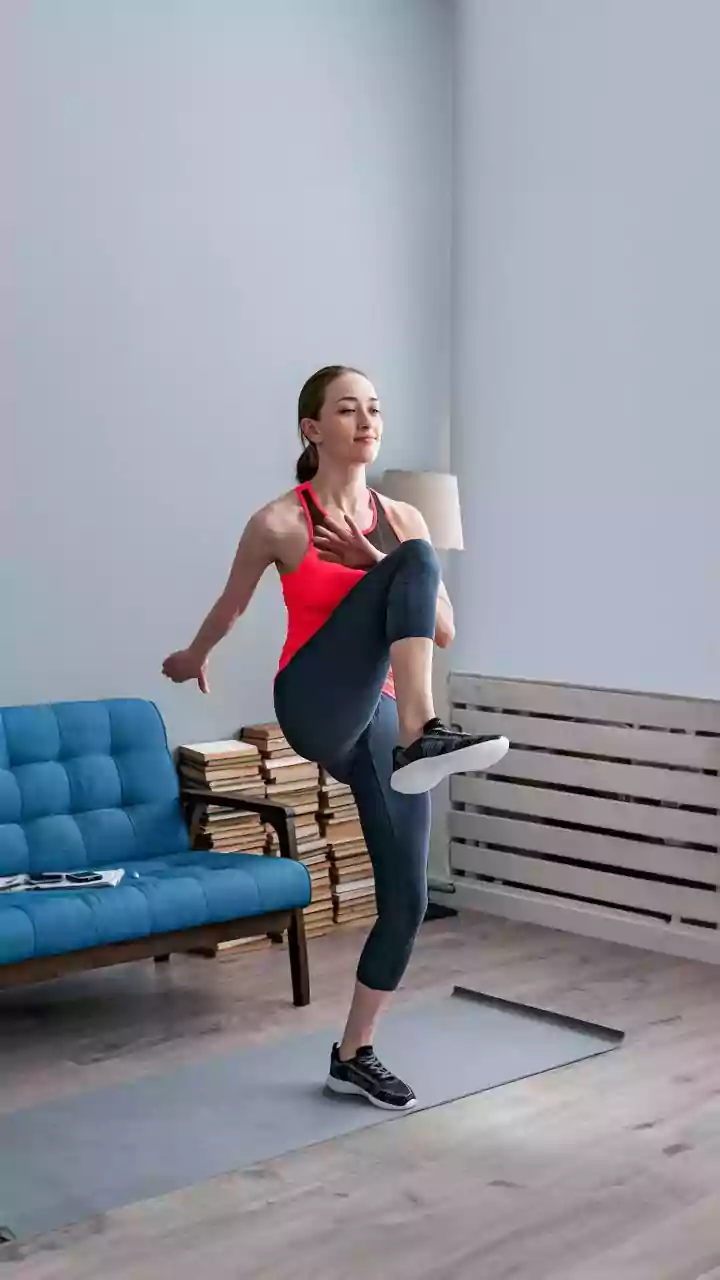
The human body is designed to move. Counteracting the negative effects of sitting doesn't necessarily mean running a marathon on your lunch break. Experts have found that short, regular bursts of activity, sometimes called 'movement snacks', can have a powerful impact. Getting up to move around helps reactivate your muscles and gets your blood flowing again, which is crucial for preventing clots and improving circulation. Even taking a five-minute walking break every hour can significantly reduce fatigue and improve your mood. These small interruptions in your sedentary time help regulate blood sugar, blood pressure, and cholesterol levels. Think of it as pressing a reset button for your body throughout the day. A two-minute stretch is an accessible, effective way to get these benefits without even leaving your workspace.
Your 2-Minute Lifesaving Routine
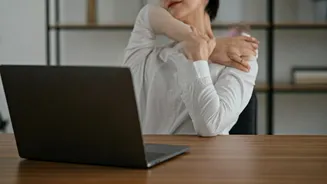
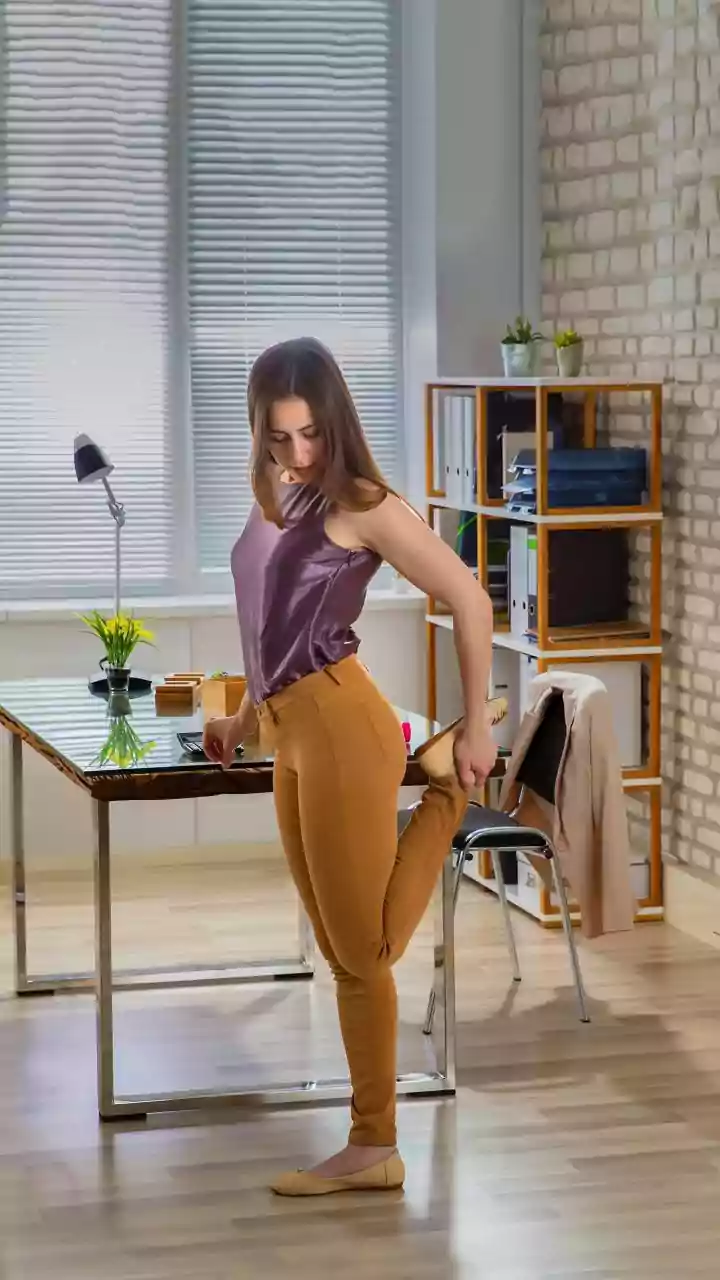
Here is a simple, four-part routine you can do right at your desk. Aim to hold each stretch for about 30 seconds, breathing deeply throughout. 1. Neck Release: Sit tall and gently tilt your right ear toward your right shoulder, holding for 15 seconds to feel a light stretch on the left side of your neck. Slowly return to the center and repeat on the other side. This helps release the tension that builds from staring at a screen. 2. Seated Spinal Twist: While seated, place your feet flat on the floor. Gently twist your upper body to the right, using your chair's armrest for a light hold. Look over your right shoulder and hold. You should feel this in your mid-back. Return to center and repeat on the left side. This mobilizes your spine after being locked in one position. 3. Chest Opener: Clasp your hands behind your back. Sit or stand up straight, push your chest forward, and lift your arms slightly until you feel a good stretch across your chest and the front of your shoulders. This counteracts the slouching posture common at desks. 4. Leg and Ankle Wake-Up: While seated, extend one leg straight out and flex your foot, pointing your toes toward the ceiling. Rotate your ankle clockwise five times, then counter-clockwise five times. Repeat with the other leg. This simple move promotes circulation in your lower legs, a key area for clot prevention.
Making It an Unbreakable Habit
The key to reaping the life-saving benefits of this routine is consistency. A stretch done once is good, but a stretch done every day is transformative. The easiest way to build this habit is to link it to an existing part of your day or to set a recurring reminder. Set an alarm on your phone or computer for once every hour. Or, make it a rule to do your two-minute stretch every time you finish a cup of coffee or right before you break for lunch. It may feel odd at first, but your body will quickly thank you. You'll likely notice reduced stiffness, fewer aches, and even a boost in mental clarity and energy. By investing just a few minutes each day, you are actively reducing your risk for the serious health complications that define a sedentary life.