


What is an Extreme Space Event?
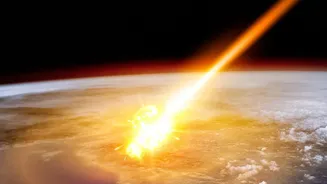
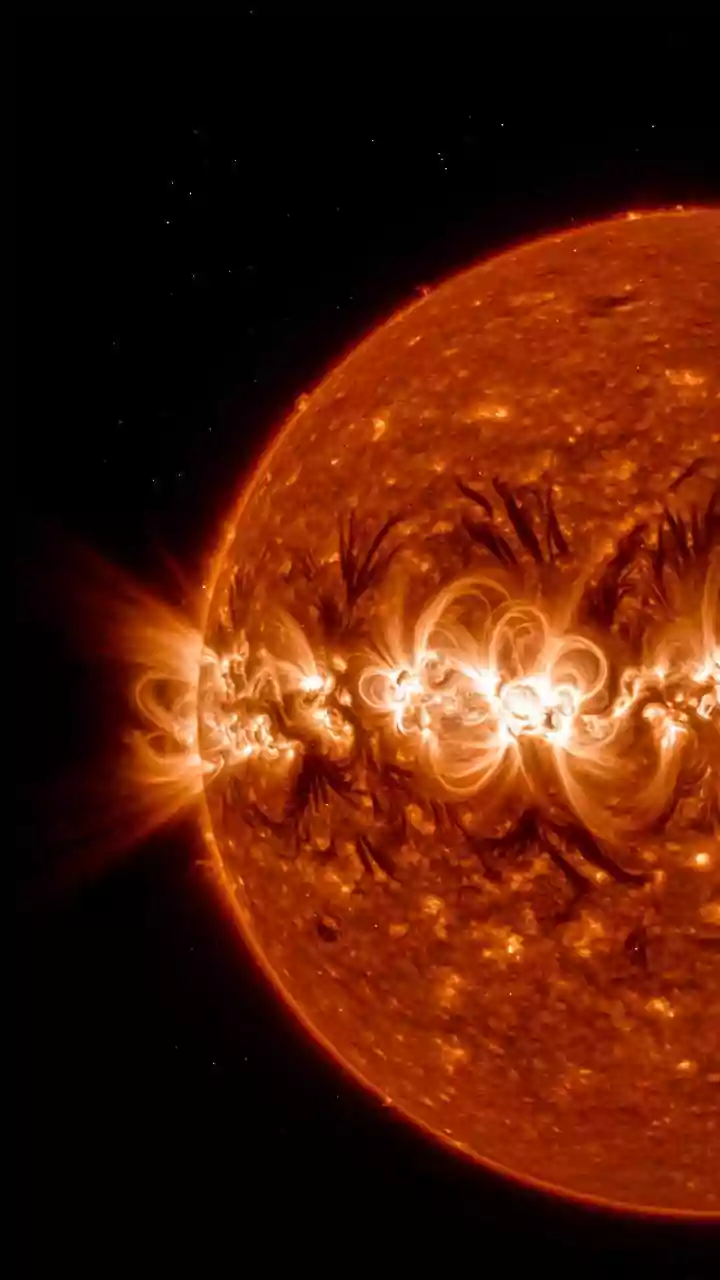
An extreme space event refers to a powerful solar storm, far stronger than the minor solar weather we experience regularly. These events begin on the Sun with phenomena like solar flares or, more consequentially, Coronal Mass Ejections (CMEs). A CME is
a massive burst of plasma and magnetic field that erupts from the Sun's corona. If one of these is aimed at Earth, it can have devastating effects. The historical benchmark for such a storm is the 1859 Carrington Event. This storm was so powerful it caused telegraph systems—the cutting-edge technology of the day—to spark, fail, and even catch fire. Scientists use it as a worst-case scenario for what could happen to our modern, far more vulnerable infrastructure. While events of this magnitude are rare, with a recurrence estimated at once every 100 to 200 years, the potential for damage is so immense that they cannot be ignored.
Our Global Satellite Dependence
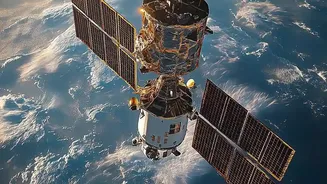
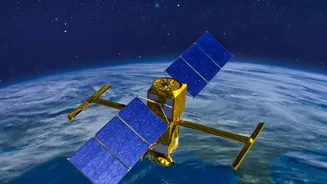
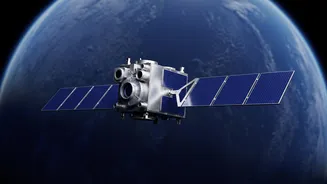
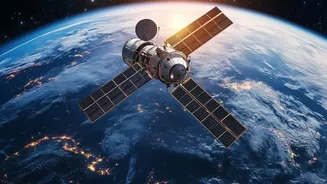
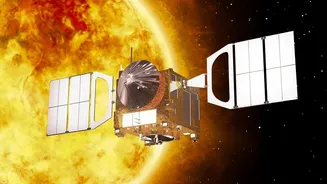
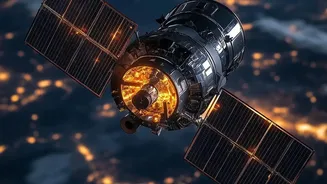
Modern society is built on satellites. They are crucial for Global Navigation Satellite Systems (GNSS) like GPS, which power everything from aviation and shipping to agriculture and the ride-sharing apps on our phones. They enable global communications, banking transactions, television broadcasts, and weather forecasting. For a nation like India, with its rapidly growing digital economy and strategic interests, the reliance on satellite infrastructure is profound. From the Digital India initiative to disaster management and defence, a stable satellite network is not a luxury but a necessity. The problem is that since the dawn of the space age, we have not yet experienced a true solar superstorm. This means our understanding of the real-world impact on this critical infrastructure is limited, based mostly on smaller storms and theoretical models.
Modelling the Domino Effect
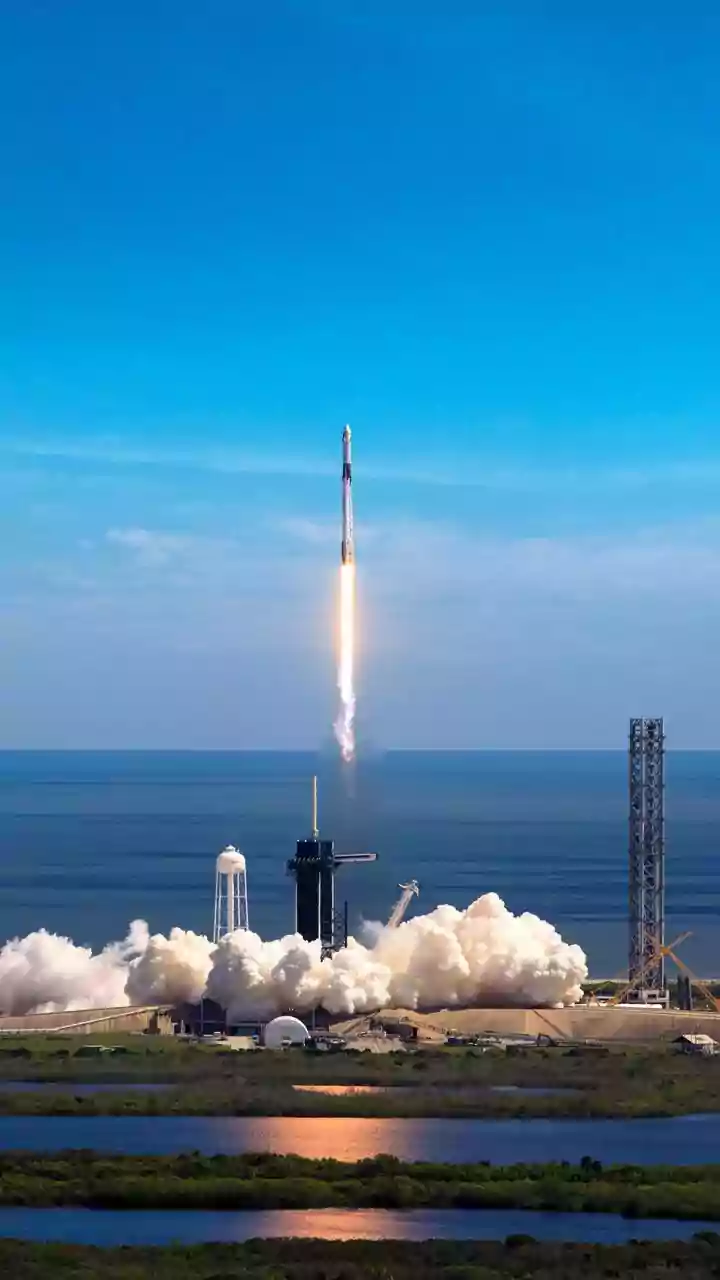
The latest research moves beyond simply saying a storm would be 'bad'. Using sophisticated computer modelling, scientists are now simulating the precise physical effects of an extreme event on satellites in orbit. One key impact is increased atmospheric drag. A powerful solar storm heats and expands Earth's upper atmosphere. For satellites in Low Earth Orbit (LEO), where constellations like Starlink operate, this thicker atmosphere acts like a brake, slowing them down and causing their orbits to decay. This was seen in February 2022, when a relatively minor storm caused the loss of 38 newly launched SpaceX satellites. Another direct threat comes from high-energy charged particles, which can penetrate satellite shielding, build up a charge, and damage or destroy sensitive electronics—a phenomenon known as internal charging. New models can now simulate how these effects ripple through entire satellite constellations.
A Cascade of Failures
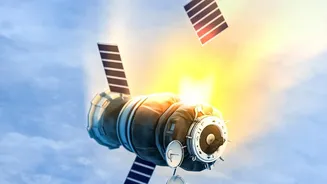
A crucial finding from this modelling is that satellites would not simply fail in isolation. The initial failures could trigger a terrifying cascade. When a satellite is damaged or its orbit is unexpectedly altered by atmospheric drag, it can lose its ability to manoeuvre. In the increasingly crowded environment of LEO, a single uncontrollable satellite becomes a high-speed hazard. The risk of collision with another satellite or piece of space debris skyrockets. Such a collision would create thousands of new pieces of debris, each capable of causing further collisions in a chain reaction known as the Kessler Syndrome. Computer models suggest that a single, large-scale trigger event—like a massive solar storm—could initiate this cascading failure, leading to a rapid and widespread loss of satellite functionality across multiple networks. The new research shows that even autonomous course corrections by healthy satellites to avoid storm effects can propagate disruptions through the network, prolonging outages.
Preparing for the Inevitable Storm
While we cannot stop the sun from producing storms, this research is vital for developing mitigation strategies. The models highlight that not all satellites are equally vulnerable; their orbit, position relative to the storm, and level of shielding all play a role. This allows for more targeted protective measures. Satellite operators can use improved space weather forecasts to put satellites into a 'safe mode', powering down non-essential components to reduce the risk of electronic damage. In the long term, this research will inform the design of more resilient, 'hardened' satellites capable of withstanding higher levels of radiation. Understanding the specific vulnerabilities and cascading patterns allows operators to develop smarter, risk-aware routing for data and to build more robust systems that can better withstand the inevitable day the next big solar storm arrives.