







It Starts with the Coffee, But Doesn't End There
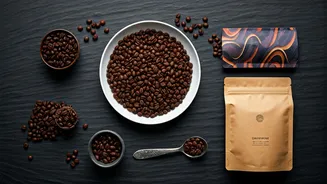
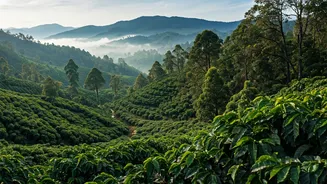
The foundation of any great café remains its coffee, but the standard has been raised significantly. The new formula prioritises high-quality, specialty beans, often single-origin and sourced transparently from Indian estates in regions like Coorg and Chikmagalur.
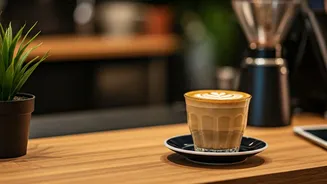
Consumers are more educated and curious, moving beyond standard lattes to explore different brewing methods like pour-over, Aeropress, and cold brews. This shift towards gourmet coffee is about offering a superior product with a story. However, the menu is also expanding to include a wider range of beverages. Recognizing that not every visit is for a caffeine hit, successful cafés now offer sophisticated non-coffee options, from herbal infusions and artisanal teas to functional drinks with adaptogens and protein. This focus on variety ensures the café is an all-day destination.
The Rise of Freestyle Dining
The days of a simple muffin or a dry sandwich as the only food options are over. Food has become a primary driver for repeat visits and higher spending. The winning formula embraces what is being called “freestyle dining”. Instead of rigid, restaurant-style menus, cafés are offering small plates, all-day brunch, and high-quality baked goods that cater to flexible eating habits. The emphasis is on fresh, light meals with European and Asian influences, allowing customers to have a snack or a full meal. Gourmet sandwiches, plated desserts, and unique pairings are repositioning the café as a legitimate food destination, not just a coffee stop. Some chains are even launching dessert-focused sub-brands to capture the late-evening crowd.
More Than a Café, a Community Hub
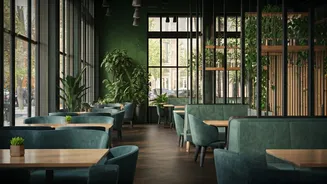
Perhaps the most significant shift is the evolution of the café into a “third place”—a space that is neither home nor work, but a vital community anchor. Winning cafés are intentionally designed to foster connection and belonging. This is achieved by creating flexible spaces that can accommodate a solo remote worker, a group of friends, or a book club. To deepen this community bond, many are hosting events like open mic nights, art workshops, and pop-ups with local brands. These experiences transform a transactional visit into a memorable one, turning customers into a loyal community. Spaces are designed to feel social without being overwhelming, with comfortable seating and an ambience that encourages people to linger.
Designing an Experience
In the age of social media, aesthetics are undeniably part of the formula. An “Instagrammable” interior is no longer a bonus but a near necessity. However, successful design goes beyond just looking good. It's about creating a multi-sensory experience that feels intentional and inviting. This includes smart lighting that changes from a bright, natural feel in the morning to a warm, cosy vibe in the evening. Acoustics are carefully managed to absorb noise while maintaining a vibrant energy. The layout itself is thoughtfully planned to manage customer flow and create different zones for various activities, from quiet work corners to social gathering spots. The goal is to create a space where customers feel comfortable and want to spend their time.
Seamless Tech Integration
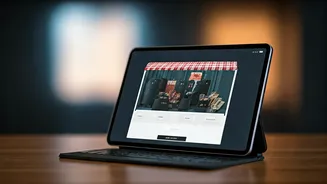
The final ingredient in the new café formula is the thoughtful integration of technology. This isn't about replacing the human touch but enhancing efficiency and convenience. Modern point-of-sale (POS) systems provide valuable data on popular items and peak hours, allowing owners to optimise stock and staffing. For the customer, technology means a smoother experience. Mobile apps for ordering ahead, digital payments, and app-based loyalty programs are becoming standard. Many cafés now offer essentials like high-speed Wi-Fi and ample charging points, acknowledging their role as unofficial co-working spaces. The best tech integration is often invisible, working in the background to make the customer's visit seamless and stress-free.