


Jamun (Java Plum): The Purple Gem
A quintessential monsoon fruit, the Jamun is loved for its unique sweet-and-sour taste that leaves a memorable purple stain on the tongue. When selecting them, look for fruits that are a deep purple or almost black, as this indicates they are fully ripe
and sweeter. Fresh jamuns should have smooth, glossy skin and feel firm but yield slightly to a gentle squeeze. Avoid any that are green, reddish, wrinkled, or have cracks and bruises, as these will either be sour or past their prime. Due to their delicate nature, it's best to refrigerate jamuns and consume them within a day or two for the best flavour. They are a fantastic source of Vitamin C and iron, helping to boost immunity and prevent fatigue during the damp monsoon months.
Plums (Aloo Bukhara): Sweet and Tart
Available from May to October, with their peak season falling right in the middle of the monsoon, plums are a juicy, vibrant treat. You'll find them in various colours, from deep purple and red to bright amber yellow. A ripe plum will have smooth skin with a dusty white coating, known as the bloom, which is a natural sign of freshness. It should feel firm but have a slight softness when you press it gently. If you buy plums that are still very hard, you can leave them at room temperature for a day or two to ripen. Plums are a great source of dietary fibre and antioxidants, making them excellent for digestion and overall health.
Peaches (Aadu): Fuzzy and Fragrant
Aromatic and juicy, the peach is another star of the rainy season, especially in North India. The best way to choose a ripe peach is by its fragrance; it should have a noticeable sweet aroma. Look for fruits with a rich, creamy-yellow or orange background colour. While a red blush is common, it's not always an indicator of ripeness. A ripe peach should give slightly when pressed gently. Avoid peaches that are overly soft, bruised, or have any green colouring. Rich in vitamins A and C, peaches are fantastic for skin health, which can take a hit in the humid monsoon weather.
Pears (Nashpati): Crisp and Gentle
Pears are one of the gentlest fruits on the digestive system, making them an ideal choice during the monsoon when stomach issues can be more common. Unlike other fruits, pears ripen from the inside out, so their skin colour isn't always the best guide. The most reliable method is to 'check the neck'. Apply gentle thumb pressure to the neck of the pear, near the stem. If it yields to the pressure, it's ripe and ready to eat. Pears are an excellent source of fibre and anti-inflammatory flavonoids, supporting both gut health and overall immunity.
Cherries: Small but Mighty
These small, vibrant red globes are packed with antioxidants and anti-inflammatory compounds. When buying cherries, look for ones that are plump, shiny, and firm, with their green stems still attached. A healthy stem is a great sign of freshness. Avoid cherries that are soft, squishy, or have any cuts or blemishes. Their sweet and slightly tart flavour makes them a delightful snack. They are also known to be a source of antioxidants that can help you feel energised.
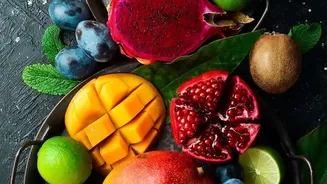
Pomegranate (Anar): A Protected Jewel
Thanks to its tough, leathery skin, the pomegranate is one of the safest fruits to consume during the monsoon, as the edible seeds are well-protected from contamination. A ripe pomegranate will feel heavy for its size, which indicates that its seeds are full of juice. The shape is also a clue; ripe pomegranates tend to lose their perfectly round shape and become slightly more angular or squared-off as the seeds swell and press against the outer wall. The skin should be firm and smooth. When tapped, a ripe pomegranate should produce a hollow, almost metallic sound.