



Why Summer is Prime Time for Cramps
Summer workouts create a perfect storm for muscle cramps. When you exercise in the heat, your body sweats more to keep you cool. This sweat isn't just water; it's also packed with essential minerals called electrolytes, primarily sodium. This combination
of fluid loss (dehydration) and electrolyte depletion is a major trigger for what are often called 'heat cramps'. These painful, involuntary muscle contractions often affect the calves, thighs, and arms, stopping you in your tracks. Your muscles rely on a delicate balance of fluids and minerals to contract and relax properly; when that balance is thrown off by heavy sweating, cramps become far more likely.
The Science of the Squeeze
So, what’s actually happening inside your muscle? Electrolytes like sodium, potassium, magnesium, and calcium are crucial for regulating nerve signals and muscle function. Sodium and potassium, in particular, help manage the electrical signals that tell your muscles when to contract and relax. When you sweat heavily, you lose a significant amount of sodium. If you rehydrate with plain water alone, you risk further diluting the sodium levels in your body. This imbalance can disrupt the nerve-to-muscle communication, leading to the sudden, uncontrolled spasms we know as cramps.
Coconut Water: Nature's Refresher
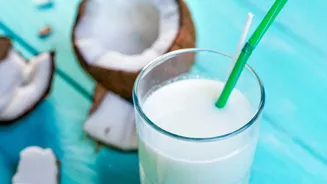
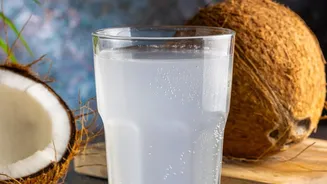
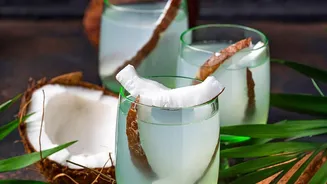
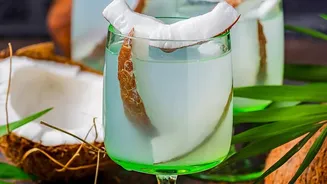
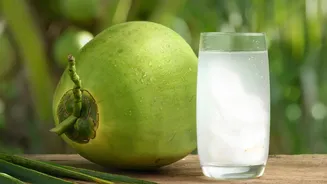
This is where coconut water enters the picture. Often called 'nature's sports drink', coconut water is celebrated for its rich electrolyte profile. It is an excellent source of potassium, a mineral that is vital for muscle function and can contain more potassium than a medium-sized banana. It also provides other helpful minerals like magnesium and calcium. However, while it excels in potassium, coconut water is naturally low in sodium—the main electrolyte lost through sweat. This makes it a great starting point for rehydration, but not always a complete solution on its own, especially after an intense, sweaty workout.
The Pinch of Salt That Makes a Difference
To turn coconut water into a more complete workout drink, you need to add back the one crucial element it's missing: sodium. Adding a pinch of salt is the key to balancing its electrolyte profile to better match what your body loses in sweat. This simple addition helps your body retain fluids more effectively and ensures that the sodium-potassium balance required for proper muscle function is maintained. Think of potassium from the coconut water and sodium from the salt as a team; both are needed to prevent the misfired signals that lead to cramps. Several studies have shown that rehydrating with an electrolyte-rich beverage is more effective at preventing cramps than plain water.
Your DIY Summer Workout Drink
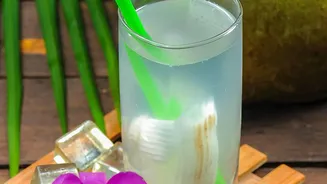
Creating this effective, natural hydration drink is incredibly simple. For a single serving, follow this basic recipe: Mix 1 to 2 cups of unsweetened coconut water. Add approximately 1/8 to 1/4 teaspoon of good quality sea salt or Himalayan pink salt. * Stir or shake until the salt is completely dissolved. For extra flavour and a boost of vitamin C, you can add a squeeze of fresh lime or lemon juice. The general guideline is to add about 1/4 teaspoon of salt per litre of fluid, so you can adjust based on the amount you're making and the intensity of your workout. Drink it before, during, or after your workout to stay ahead of dehydration and mineral loss.
More Than Just a Drink
While a salt-infused coconut water can be a game-changer, it's part of a larger strategy for preventing cramps. Ensure you're well-hydrated throughout the day, not just during exercise. Properly warming up before a workout and stretching afterwards can also help prepare and relax your muscles. Pay attention to your diet, making sure it includes a variety of electrolyte-rich foods like bananas, avocados, and leafy greens. Most importantly, listen to your body. If you feel dizzy, overly fatigued, or start to cramp, it's a sign to rest, cool down, and rehydrate.