
The scent of saffron is the scent of celebration in India. It hangs in the air during festivals, rising from steaming biryanis and decadent kheers. But what exactly is that aroma, and how can you get the most out of every precious thread?
The Science Behind the Scent
The magic of
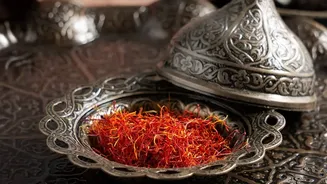
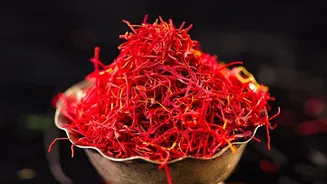
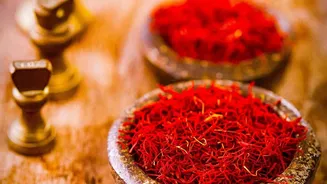
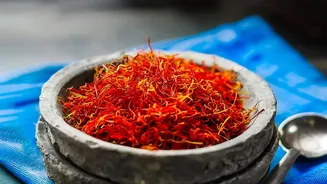
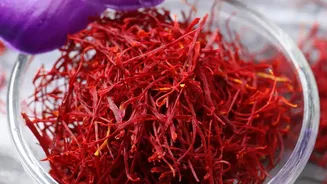
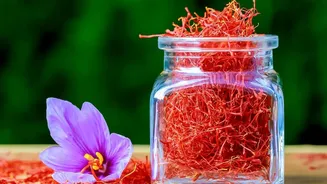
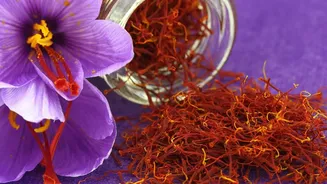
saffron's aroma lies in its chemistry. When you buy saffron, you're buying the dried stigmas of the Crocus sativus flower. These threads contain several key compounds. The vibrant colour comes from crocin, and a bitter taste comes from picrocrocin. But the aroma is primarily due to a volatile compound called safranal. Interestingly, fresh saffron threads don't have much of a smell. The safranal develops as the threads are carefully dried and stored, a process where picrocrocin breaks down to release this signature scent. This is why the aroma is a key indicator of well-cured, high-quality saffron.
What Real Saffron Should Smell Like
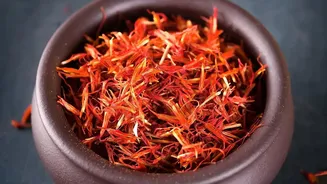
Describing the aroma of true saffron is a sensory journey. Connoisseurs describe it as a complex blend of honey and hay, with earthy, floral, and sometimes slightly leathery or metallic notes. It should smell sweet but not sugary, and warm but not spicy. This complexity is the hallmark of authenticity. Fake saffron, which is often dyed corn silk or safflower petals, might smell of chemicals, have an artificial, one-dimensional sweetness, or simply smell of nothing at all. A musty or dusty smell can be a sign of very old or poorly stored saffron. One of the most telling signs is that real saffron smells sweet, but it tastes bitter on the tongue.
How to Awaken the Aroma in Your Kitchen
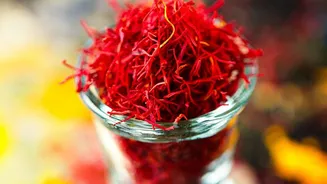
To unlock saffron's full aromatic potential, you need to 'bloom' it. Simply tossing the dry threads into a dish won't do them justice. The best way to extract both colour and aroma is to infuse them in a warm liquid. Gently crush a generous pinch of saffron threads with your fingers or a mortar and pestle. This increases the surface area. Then, steep the crushed threads in a few tablespoons of warm—never boiling—water or milk for at least 15 to 20 minutes. Boiling can destroy the delicate volatile compounds. You'll see the liquid turn a brilliant golden-yellow. This fragrant infusion, along with the softened threads, can then be added to your dish, ensuring the aroma is distributed evenly.
Aroma's Starring Role in Indian Dishes
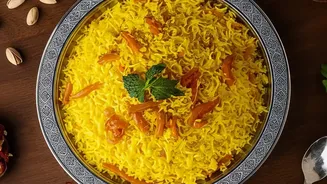
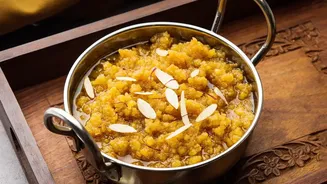
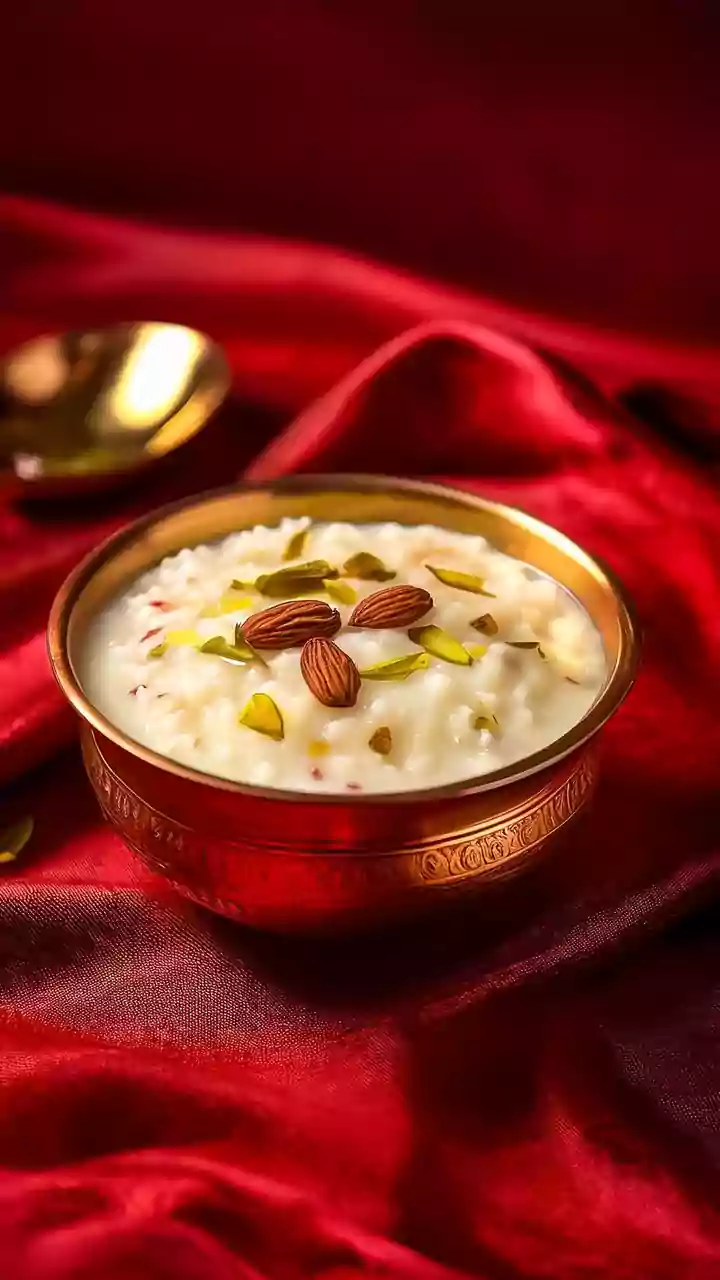
In Indian cooking, saffron's aroma is often more important than its flavour. It's a finishing touch that adds elegance and a celebratory feel. In a Hyderabadi biryani, for instance, saffron-infused milk is drizzled over the layers of rice and meat just before the final 'dum' or steaming. This not only creates beautiful golden streaks in the rice but also perfumes the entire dish with its warm, floral scent. In milk-based desserts like kheer, phirni, and kulfi, saffron's aroma balances the richness of the dairy, providing a sophisticated fragrance that cuts through the sweetness. It's also the signature note in Kashmiri Kahwa, a traditional green tea where the spice imparts a warm, earthy fragrance.
Let Your Nose Be Your Guide
When purchasing saffron, your sense of smell is a powerful tool. Open the container and take a deep breath. Authentic, good-quality saffron will have that unmistakable honey-and-hay scent. If the price seems too good to be true, it likely is. Fake saffron might look the part, but it cannot replicate the complex aroma that comes from safranal. To test it, rub a few threads between your fingers; they should release a strong fragrance and stain your skin yellow-orange. An immediate red stain in water or a chemical smell are tell-tale signs of a counterfeit product. Trusting your nose can save you from the disappointment of a lacklustre dish.