





More Than Just a Drop in the Bottle
The conversation around water in beauty is often simplified to the water content *in* the products themselves. Many traditional cosmetics contain 60% to 85% water, which acts as an inexpensive solvent and base. [1, 9, 15] However, this is only a fraction
of the story. The true water footprint of the beauty industry is a far larger, more complex issue that includes every stage of a product's life. It begins with agriculture, which accounts for 70% of global freshwater use and is essential for growing the natural ingredients, from almonds to roses, that the industry relies on. [2, 8] It continues in factories, where water is used for processing, cleaning, cooling, and sanitising equipment. [1, 2] Even the packaging has a water cost; it can take an estimated 22 gallons of water to produce just one pound of plastic. [9] Finally, the footprint extends into our own homes through use-phase consumption—the water we use to lather up shampoo or rinse off a cleanser. [9, 16]
Why the Conversation Is Resurfacing Now
The concept of 'waterless beauty' isn't new; it first gained traction in South Korea, focusing on the higher potency of products not diluted by water. [10, 14] However, the conversation has evolved and is re-emerging with greater urgency. Growing global water stress, with experts projecting that by 2025 one in two people will live with water scarcity, has made the industry's consumption impossible to ignore. [10, 20] Consumers, particularly after the pandemic, are more environmentally conscious and are demanding greater transparency and sustainability from brands. [17] In fact, one report found that 87% of shoppers want to see more brands develop waterless products. [18] This isn't just about a single trend but a systemic shift. The initial wave of solid bars and powders was just the start. Now, the focus is broadening from simply 'waterless' to 'water-conscious'—a more holistic approach that considers water usage across the entire supply chain. [10, 16]
From Waterless to Water-Conscious Innovation
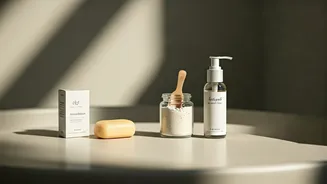
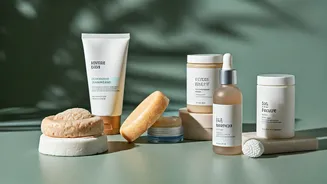
The industry's response is becoming more sophisticated. While waterless formats like solid shampoos, cleansing balms, and powder-to-foam cleansers are now common, the innovation hasn't stopped there. [5, 8] Brands are exploring 'low-water' or concentrated formulas that offer the same performance with less waste and a smaller carbon footprint due to lighter shipping. [12, 14] Beyond formulation, the focus is on water-responsible sourcing. This includes prioritising upcycled ingredients—by-products from other industries, like food and agriculture—which avoids the water-intensive process of primary farming. [4, 5] Cold-process manufacturing, which skips heat-intensive steps, also significantly reduces water and energy consumption. [4] The goal is shifting from simply removing water from the ingredient list to making smarter, more sustainable choices at every step, creating a truly 'water-conscious' product lifecycle.
The Ripple Effect of Consumer Choice
While brands have a significant role to play, consumers also hold considerable power. The industry's water footprint is dramatically increased by our own habits, such as taking long showers or leaving the tap running while cleansing. [1, 9] Opting for products designed to reduce water use at home—like no-rinse cleansers, leave-in conditioners, or quick-rinse formulas—can make a tangible difference. [4] Beyond product choice, consumers can support brands that are transparent about their water footprint and are actively working to reduce it. [6, 21] This renewed conversation challenges us to think more critically about what 'clean beauty' really means. It's not just about non-toxic ingredients, but about a product's entire environmental impact, from the farm to our bathroom sinks. By choosing potent, concentrated formulas, we use less product over time, reducing both waste and consumption. [11, 15]