





The Contenders: Defining HIIT and LISS
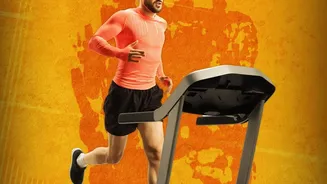
First, let's break down the acronyms. HIIT stands for High-Intensity Interval Training. It involves short, all-out bursts of exercise followed by brief recovery periods. Think 30 seconds of sprinting, followed by 60 seconds of walking, repeated for 15-20
minutes. The goal is to push your heart rate to 80% or more of its maximum capacity during the intense intervals. On the other side is LISS, or Low-Intensity Steady-State cardio. This is the more traditional approach: maintaining a consistent, moderate pace for a longer duration, typically 30-60 minutes. Activities like brisk walking, light jogging, or cycling where you can still hold a conversation fall under the LISS umbrella. Your heart rate stays in a lower, more sustainable zone, around 50-65% of your maximum.
The Case for HIIT: Maximum Results, Minimum Time
For the time-crunched office worker, HIIT’s main appeal is its efficiency. You can get a significant workout in just 15-30 minutes. Studies show HIIT is highly effective at improving cardiovascular health, boosting endurance, and lowering blood pressure and blood sugar. Its biggest claim to fame is the “afterburn effect,” scientifically known as Excess Post-Exercise Oxygen Consumption (EPOC). The intensity of a HIIT session means your body continues to burn calories at an elevated rate for hours after you’ve finished, as it works to recover and repair itself. This makes it a powerful tool for fat loss. However, this intensity comes with a higher risk of injury, especially for beginners who may not have mastered the proper form for explosive movements. Due to its demanding nature, it's typically recommended only 2-3 times per week to allow for adequate recovery.
The Case for LISS: Sustainable, Steady, and Stress-Relieving
LISS is the marathon to HIIT’s sprint. While it takes longer to burn a similar number of calories, it offers its own unique advantages. It's much gentler on the joints and body, making it an excellent starting point for beginners or those recovering from injury. This lower impact means you can do it more frequently without risking burnout. LISS is particularly effective at training your body to use fat for fuel and is great for building an aerobic base and improving endurance. Beyond the physical, many find the steady, rhythmic nature of LISS to be meditative and stress-reducing—a perfect antidote to a hectic workday. A long walk or gentle bike ride can help clear your head and improve mental well-being, which is a significant benefit often overlooked in the quest for physical results.
Making the Choice: Factors for the Office Worker
So, how do you choose? The best routine for you depends entirely on your goals, schedule, and personal preferences. If your primary goal is maximum fat loss in the shortest amount of time, and you're already moderately fit, HIIT is a strong contender. It's perfect for squeezing a workout into a lunch break. If you're new to exercise, focused on building a sustainable habit, or find intense workouts draining, LISS is the safer and potentially more enjoyable path. It's also ideal for active recovery on days between more strenuous workouts. Consider what you'll stick with. A 20-minute HIIT session you dread is less effective than a 45-minute walk you look forward to. Consistency is the most important factor for long-term health.
The Hybrid Approach: Why Not Both?
Ultimately, you don't have to choose just one. Many fitness experts advocate for a balanced routine that incorporates both HIIT and LISS. This approach allows you to reap the time-saving metabolic benefits of HIIT while using LISS for endurance, recovery, and stress management. For a desk-bound worker, a sample week might look like two 20-minute HIIT sessions on Tuesdays and Thursdays to maximize workout time on busy days, and a longer 45-60 minute LISS session (like a brisk walk or hike) on the weekend. This combination prevents fitness plateaus, reduces the risk of overuse injuries, and keeps your routine from becoming monotonous.