





What is 'Lymphatic Walking'?
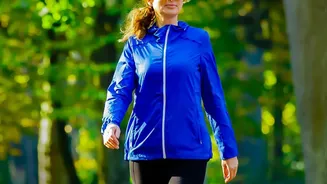
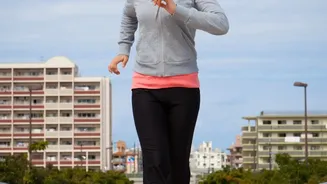
On the surface, lymphatic walking looks a lot like a brisk, intentional walk. The trend, popularised on platforms like TikTok, involves walking at a steady pace while incorporating specific movements. These include swinging your arms more deliberately,
maintaining tall posture, engaging in deep belly breathing, and sometimes adding in torso twists, shoulder rolls, or ankle pumps. The idea is that these combined movements are supposed to specifically target and stimulate the lymphatic system, a crucial network of tissues and organs in the body. The instructions are simple, and the promise is alluring: that this enhanced form of walking can manually help your body's natural drainage and detoxification processes.
The Powerful Pull of 'Detox'
Claims of “flushing toxins,” “draining fat,” and “instantly boosting immunity” are central to the trend's appeal. The concept of a “detox” is incredibly marketable because it suggests we can wash away the results of an unhealthy lifestyle with a simple trick or product. However, medical experts are consistently skeptical of such claims. While some detox diets or cleanses might lead to temporary weight loss, it's often just water weight that returns quickly. There is very little scientific evidence to prove that detox products or specific exercises can remove toxins from the body in the way they claim. In reality, our bodies already have a highly efficient, built-in detoxification system that works around the clock.
Meet Your Body’s Real Detox Team
Your body’s actual detox system is a marvel of biology, primarily run by your liver and kidneys. The lymphatic system plays a critical supporting role. It’s a vast network that helps maintain fluid levels, absorb fats from the diet, and is a vital part of the immune system. It collects excess fluid (lymph) from your body's tissues, filters it through lymph nodes where immune cells destroy invaders like bacteria and viruses, and then returns the clean fluid to your bloodstream. Unlike the circulatory system which has the heart, the lymphatic system has no central pump. It relies on muscle contractions, body movement, and deep breathing to keep the lymph fluid moving. So, while the idea of stimulating this system is valid, it doesn’t require a special, branded walking technique.
The Reality: Any Movement Is Good Movement
Here's the truth behind the trend: walking of any kind is fantastic for your lymphatic system. The muscle contractions in your legs, the swing of your arms, and deeper breathing from exertion all help pump lymph fluid through your body. Physiologically, there isn't much difference between a 'lymphatic walk' and a regular, purposeful walk where you maintain good posture and move your arms freely. The benefits come from the movement itself, not from a secret technique. While you might feel lighter or less bloated after a walk, this is typically due to a temporary shift in body fluid, not a permanent loss of fat or a 'detox.' Activities like swimming, cycling, and yoga are also excellent for supporting lymphatic flow because they all involve muscle engagement and changes in breathing patterns.
Wellness Trends vs. Basic Health
The lymphatic walking trend is a perfect example of how modern wellness culture can take a simple, foundational piece of health advice—go for a walk—and repackage it as a complex, optimised 'hack.' While the trend may encourage more people to get moving, which is a positive outcome, the exaggerated claims about detoxification are not supported by science. Your body is already equipped to handle toxins. The best way to support its natural processes isn't through a trendy workout but with consistent, healthy habits: a balanced diet, regular exercise of any kind you enjoy, staying hydrated, and getting enough sleep. The bottom line is that while the 'lymphatic walking' name might be new, the benefits of walking are timeless and don't require a special label.