



Transitioning to New Sunlight
After weeks under cloudy skies, the intense post-monsoon sun can be a shock to your plants. Many may have grown leggy, stretching for light, while others might be accustomed to the shade. Now is the time to gradually reintroduce them to brighter conditions.
Move potted plants that prefer full sun back to their sunny spots, but do it over a few days to prevent leaf scorch. For plants that have grown wildly, a light pruning is essential. Trimming overgrown branches not only tidies up your garden but also improves air circulation and allows sunlight to reach the lower leaves, reducing the risk of fungal diseases that thrive in damp conditions.
Rethinking Your Watering Routine
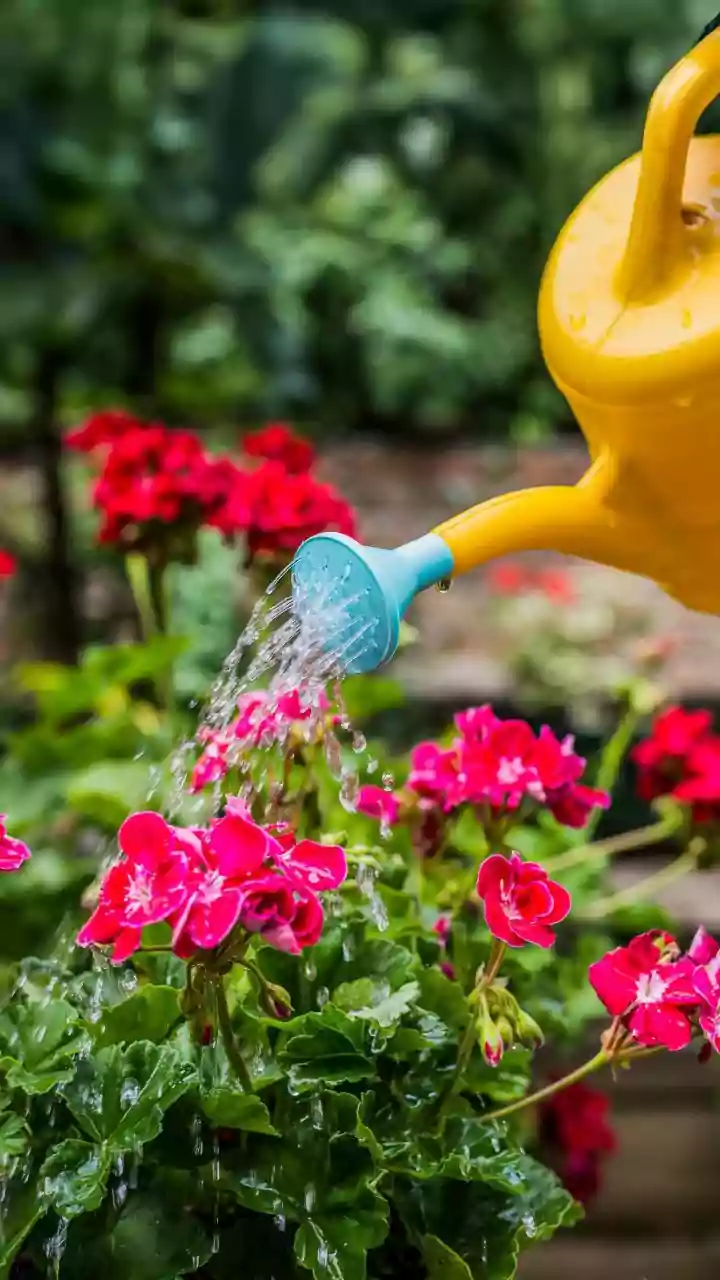
Overwatering is the biggest danger after the monsoon. The soil is likely still saturated from the rains, and the increased humidity means it will dry out much slower than in summer. Continuing a daily watering schedule is a common mistake that can lead to root rot. Instead of watering on a fixed routine, get into the habit of checking the soil first. The 'finger test' is your best friend: insert your finger about two inches into the soil. If it feels moist, wait another day or two before watering. When you do water, direct it at the base of the plant, not on the leaves, to minimise the risk of fungal infections.
Solving Drainage Dilemmas
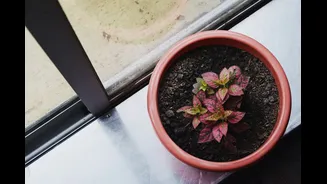
Months of heavy rain can compact the soil in your pots and garden beds, leading to poor drainage and waterlogged roots. If you notice water pooling on the surface or plants wilting despite wet soil, it's a sign that the roots are suffocating. For potted plants, start by ensuring the drainage holes are not clogged. Elevating pots on feet or bricks can also help water escape freely. Gently loosening the topsoil with a small fork or trowel helps aerate it, allowing roots to breathe. For garden beds, creating gentle slopes or shallow drainage channels can guide excess water away from plant roots.
Replenishing Washed-Out Soil
Heavy rains can leach essential nutrients from the soil, leaving your plants hungry. The post-monsoon period is the perfect time to replenish this lost nutrition. However, avoid using chemical fertilisers immediately, as the soil needs time to recover. Instead, enrich the soil by adding organic matter like well-rotted compost or vermicompost. This not only feeds your plants but also improves the soil's structure, enhancing its ability to both drain well and retain moisture when needed. Mixing in some neem cake can also help, as it provides nutrients while deterring soil-borne pests.
Guarding Against Pests and Diseases
The high humidity of the monsoon season creates a perfect breeding ground for pests and fungal diseases. As you clean up your garden, be vigilant. Remove any dead leaves, fallen flowers, and debris, as they can harbour fungal spores. Keep an eye out for common monsoon pests like snails, slugs, aphids, and mealybugs. Symptoms like leaf curl, white cotton-like clusters, or irregular holes in leaves are tell-tale signs of an infestation. Regular inspection allows for early intervention, often with simple organic solutions, before the problem gets out of hand.
Choosing What to Plant Next
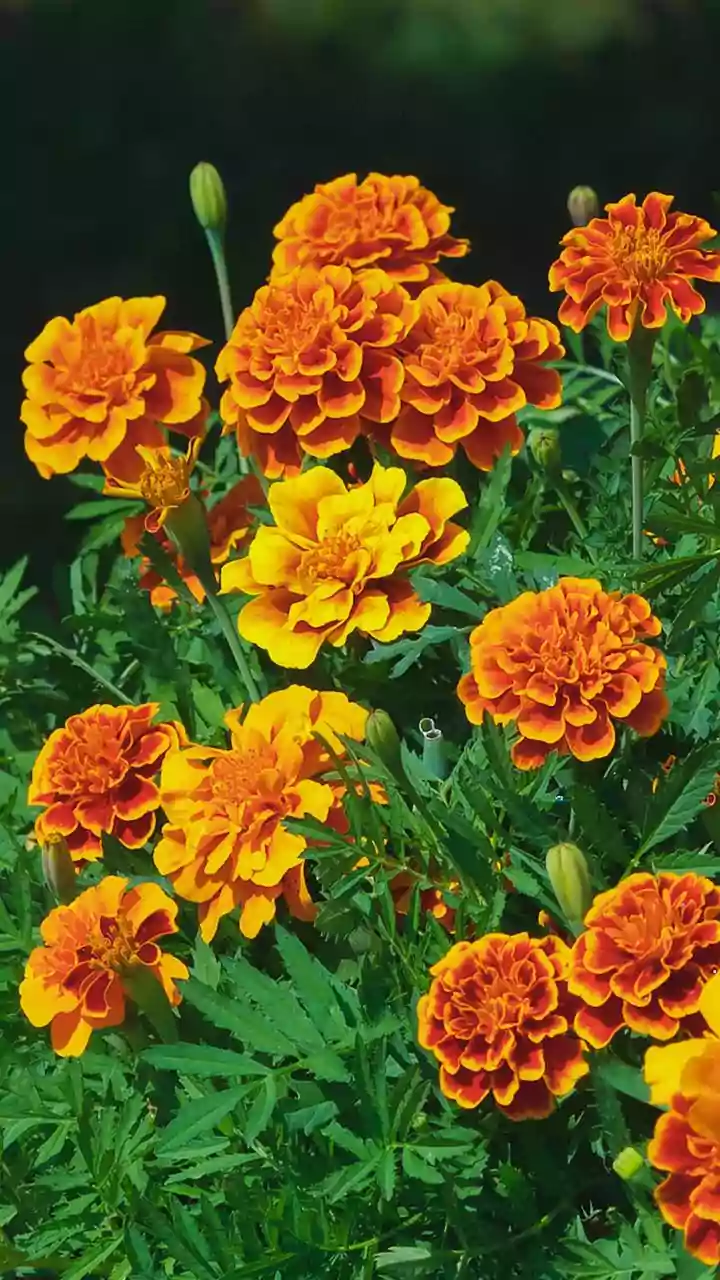
With your garden cleaned up and soil revitalised, it's an excellent time for new planting. The post-monsoon and early winter period is ideal for a wide variety of vegetables and flowers. This is the perfect season to sow seeds for winter vegetables like carrots, radishes, spinach, and cauliflower. Many flowering plants also thrive when planted in this period, promising a vibrant display in the coming months. Vegetables such as tomatoes, brinjals, and chillies also do well. Clearing out any plants that did not survive the monsoon makes space for this new growth.