




What Is Grain Rotation?
The idea of rotation comes from agriculture, where farmers plant different crops in the same field across seasons to improve soil health and prevent pests. Applied to your diet, it means consciously varying the types of grains you eat instead of relying
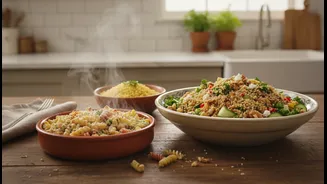
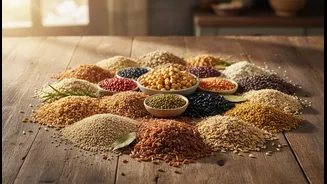
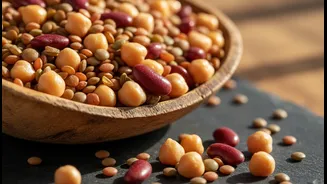
on the same one or two staples, like wheat and rice. This practice, also known as dietary diversity, encourages you to explore a wider world of grains. Instead of eating toast for breakfast and a pasta dish for dinner every week, you might try oatmeal one day, a quinoa salad the next, and a side of millet with your evening meal later in the week. It’s a simple shift from dietary monotony to culinary exploration.
Moving Past 'Food Fear'
Modern diet culture has often painted carbohydrates, and by extension grains, as something to be feared or avoided. This can lead to anxiety around food choices. Diets high in refined carbohydrates like white bread and sugary snacks can cause blood sugar spikes and crashes, which may contribute to mood swings and anxiety. However, a diet that embraces a variety of complex carbohydrates from whole grains can help stabilize blood sugar and even have a calming effect on the brain. Rotating grains helps reframe your relationship with this food group. Instead of focusing on restriction, you focus on abundance and variety, turning fear into curiosity. It becomes less about what you can't eat and more about the diverse and nutritious options you can enjoy.
The Nutritional Power of Variety
Eating the same few foods every day can lead to nutritional gaps. Different grains offer unique nutritional profiles. For example, amaranth and teff are rich in iron, while quinoa is a complete protein containing all nine essential amino acids. Millets are a good source of magnesium, and sorghum is high in antioxidants. By rotating these and other grains, you provide your body with a broader spectrum of vitamins, minerals, and phytonutrients. This diversity doesn't just benefit you; it also feeds the trillions of microorganisms in your gut. A more diverse diet is linked to a more diverse and resilient gut microbiome, which is crucial for everything from digestion and immune function to mental well-being.
A World of Grains to Explore
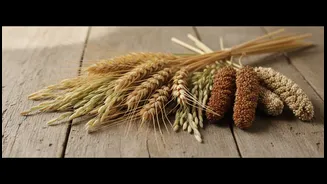
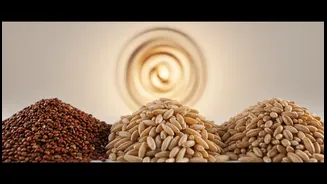
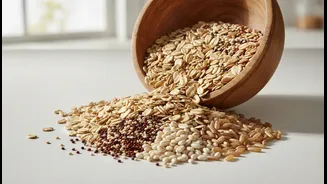
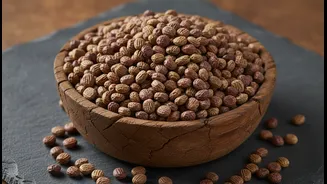
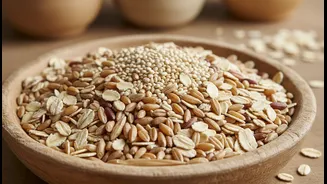
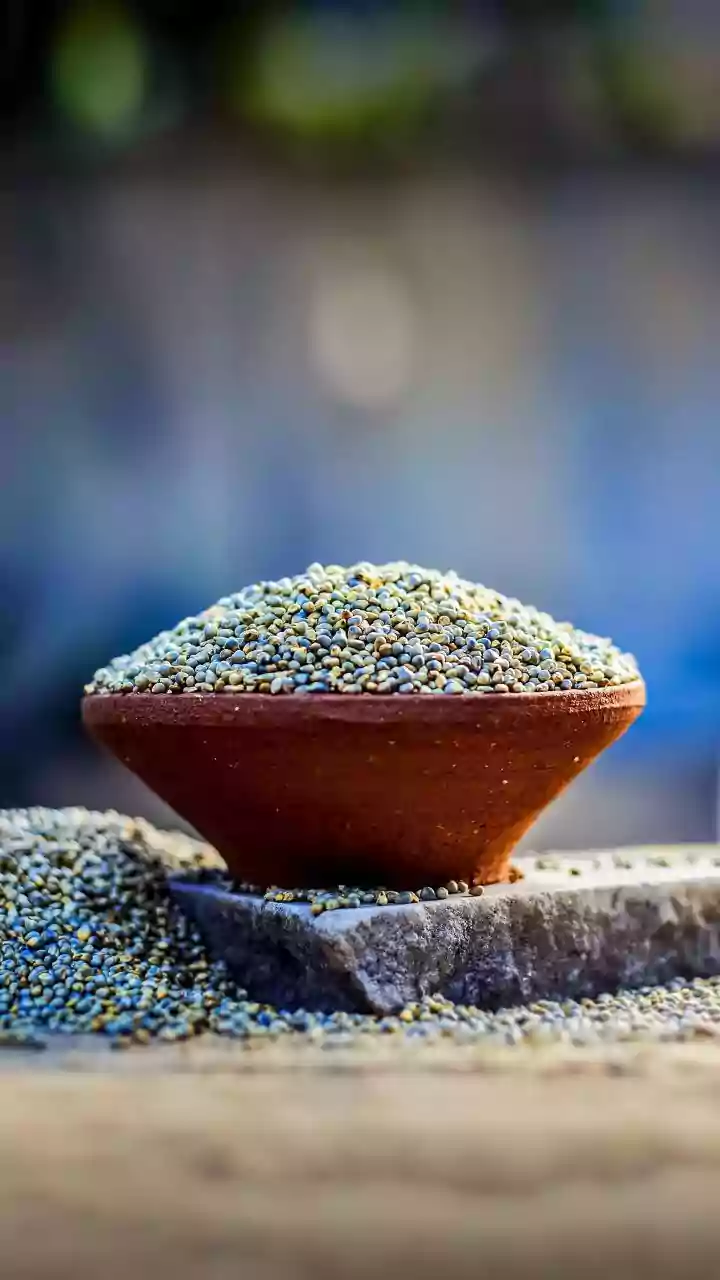
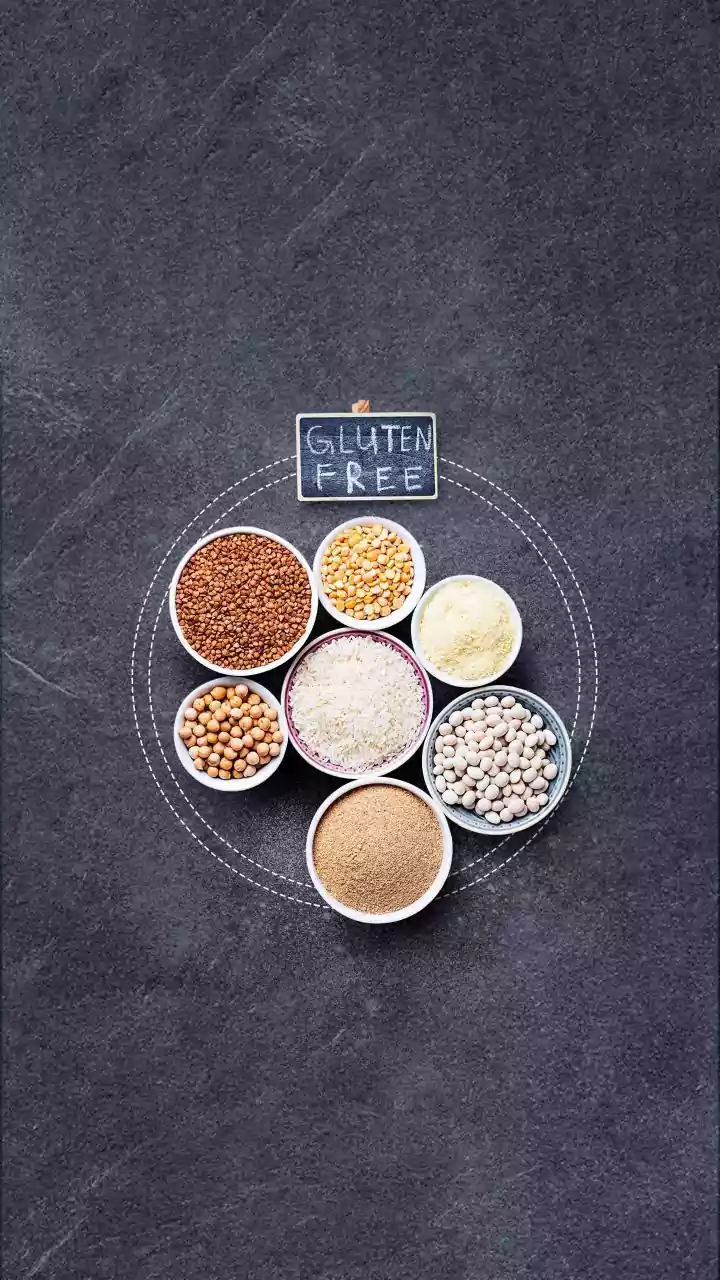
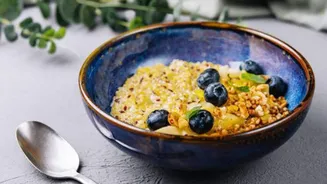
Breaking out of a grain rut is easier than you might think. Many so-called 'ancient grains' are now readily available and simple to prepare. Here are a few to try: Millet: A gluten-free grain with a mild, slightly sweet flavor. Use it to make a creamy breakfast porridge or as a fluffy alternative to rice. Sorghum: This hearty, gluten-free grain has a chewy texture and works well in salads, stews, or even popped like popcorn. Amaranth: A tiny, protein-packed grain that can be cooked into a porridge or added to soups as a thickener. Teff: The world's smallest grain, teff is an Ethiopian staple rich in calcium and iron. It's traditionally used to make injera bread but also makes a great porridge. Barley: A wonderfully chewy grain that's excellent in soups, stews, and risottos. Start by swapping one of your usual grains for a new one each week. You can cook a large batch at the beginning of the week to easily add to salads and meals.
Your Plate's Impact on the Planet
The benefits of rotating grains extend beyond your personal health. Globally, a huge percentage of our food comes from a very small number of plant species, primarily wheat, rice, and maize. This reliance on monoculture agriculture can deplete soil nutrients and reduce biodiversity. When consumers create demand for a wider variety of grains, it encourages farmers to diversify their crops. This supports agricultural biodiversity, which leads to more resilient food systems, healthier soil, and a better ability to withstand challenges like climate change and pests. Your simple choice to try a new grain is a small but meaningful vote for a more sustainable and secure global food supply.