


More Than Just Walking With Sticks
At first glance, Nordic walking might look like hiking with ski poles. But it's a specific fitness technique with its own origin story and proven benefits. Developed in Finland as a summer training method for cross-country skiers, this activity uses specially
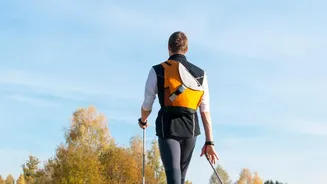
designed poles to turn a regular walk into a comprehensive, full-body workout. Unlike trekking poles which are often used for stability, Nordic poles are used to propel you forward. By pushing against the poles with each stride, you actively engage your upper body, turning a simple stroll into a much more dynamic and effective form of exercise.
The Upper-Body Advantage
The headline benefit of Nordic walking is its remarkable ability to engage the upper body. While standard walking primarily works your legs, the push-off motion in Nordic walking activates the muscles in your arms, chest, shoulders, and back. Studies show that this technique engages up to 90% of your body's muscles, compared to just 50% with regular walking. This not only helps to tone and strengthen your upper half but also significantly increases the overall intensity of the workout. The result is a more balanced muscular development and improved posture, as the exercise encourages you to walk upright while strengthening your core.
A Supercharged Calorie Burn
Engaging more muscles means your body needs more energy, which translates to a higher calorie burn. While figures vary depending on intensity and terrain, research consistently shows that Nordic walking burns significantly more calories than walking without poles. Most studies agree on an increase of at least 20%, with some reporting much higher numbers. This makes it an incredibly efficient workout, allowing you to get more fitness benefits from the time you spend exercising. It's a perfect option for anyone looking to manage their weight or simply maximise the impact of their daily walk without having to resort to high-impact, joint-punishing exercises like running.
Gentle on Joints, Great for Balance
Despite being a more intense workout, Nordic walking is surprisingly gentle on the body. The poles help to distribute your weight more evenly, reducing the stress on your ankles, knees, and hips. This makes it an ideal activity for people of all ages and fitness levels, including those with joint issues or who are recovering from injury. Furthermore, the use of two extra points of contact with the ground provides added stability, which can help improve balance and coordination over time. This benefit is especially valuable for older adults, helping to build confidence and reduce the risk of falls.
Getting Started: Technique and Gear
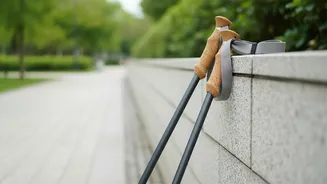
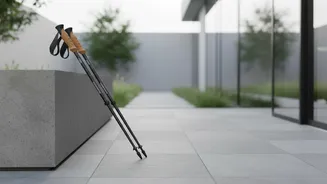
Getting started is simple, but technique is key. You'll need a pair of dedicated Nordic walking poles, which are different from trekking poles and often feature a special glove-like strap system that allows you to push off effectively. The basic motion involves walking with your arms swinging naturally from the shoulder. You plant the pole diagonally behind you, in opposition to your forward foot (left foot forward, right pole plants, and vice versa). As your arm swings back, you push through the strap to propel yourself forward, opening your hand at the end of the movement. It can feel a little uncoordinated at first, but most people pick up the rhythm quickly. Watching a few online tutorials or joining a local group can help you master the form.