






Beyond the Familiar Fare
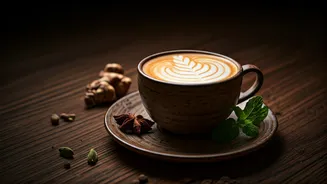
For years, the Indian café experience was largely uniform. Whether you were in Delhi, Mumbai, or Bengaluru, the menu offered a familiar comfort: cappuccinos, lattes, sandwiches, and perhaps a pasta dish or two. It was a formula that worked, providing
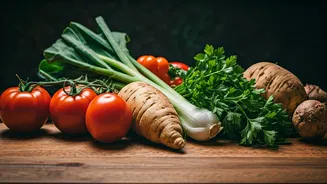
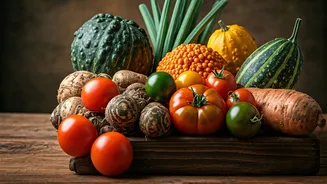
a neutral, globalised space for conversations and caffeine fixes. But a growing number of chefs and café owners are now looking past this standardised model and turning inward for inspiration. They are asking a simple but powerful question: why serve a blueberry muffin when you can create something with local millets or seasonal jamuns? This shift marks a move towards hyperlocalism, celebrating ingredients and flavours that are unique to a specific region.
The Roots of a Culinary Shift
This trend isn't happening in a vacuum. It’s driven by a new generation of chefs and entrepreneurs who are more confident in presenting Indian flavours in modern, accessible formats. There is a growing pride in India's vast culinary diversity, with a desire to preserve and innovate upon traditional recipes that were once confined to home kitchens. Consumers, too, have evolved. They are more curious, well-travelled, and increasingly interested in the story behind their food. The push for sustainability also plays a significant role; using local ingredients reduces food miles, supports local farmers, and connects the café to its immediate environment. This movement is about more than just food; it’s a cultural rediscovery, placing India's own rich pantry at the centre of the plate.
A Taste of the New Menu
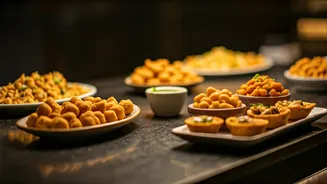
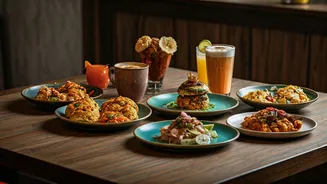
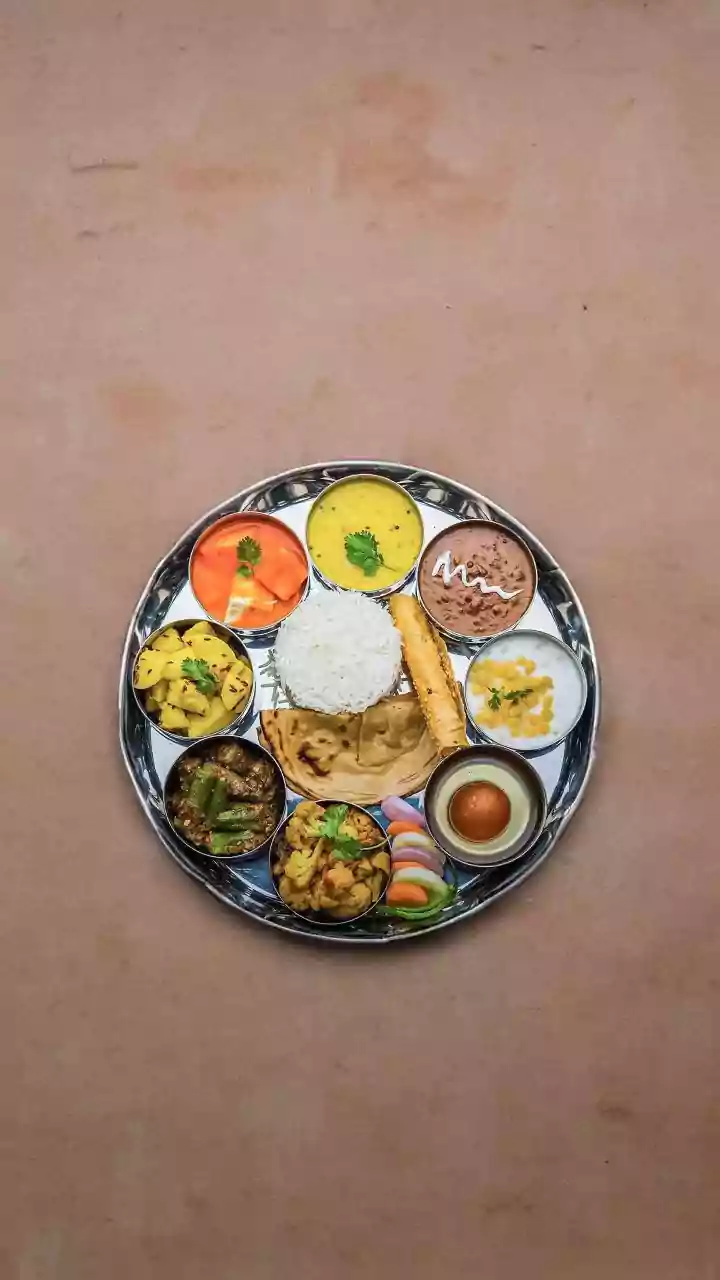
So, what does this regional revolution taste like? It’s as diverse as India itself. In Mumbai, a café might champion Maharashtrian ingredients, serving up sliders with a spicy thecha aioli or a dessert using puran poli flavours. In Bengaluru, you might find ragi (finger millet) incorporated into pancakes or breads, and coffee-based desserts using locally grown beans. Across the country, chefs are reimagining classic dishes with a contemporary twist. Think jackfruit tacos, Bandel cheese pasta, masala papad made with nixtamalized corn, or a chocolate chilli Basque cheesecake. It’s about taking familiar regional profiles and presenting them in a format that feels fresh and exciting for a café setting. These dishes bridge the gap between tradition and modernity, offering a taste that is both comforting and novel.
More Than Just a Trend
This embrace of regionalism is redefining what a café can be in India. It's moving from a generic 'third place' to a space with a distinct culinary identity rooted in its locale. This isn't just about fine dining; the trend is visible across the spectrum, from upscale restaurants to casual neighbourhood spots and even home kitchen ventures that have flourished. This shift challenges the old notion that Indian food had to be 'simplified' for broader appeal. Instead, it proves that authenticity and local storytelling have a powerful appeal. By showcasing forgotten grains, hyperlocal vegetables, and traditional recipes, these cafés are becoming custodians of culinary heritage, ensuring that India's diverse food traditions continue to thrive in an increasingly homogenised world.