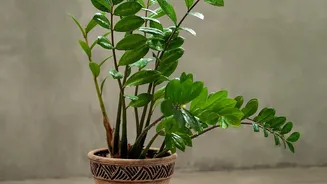



ZZ Plant (Zamioculcas zamiifolia)
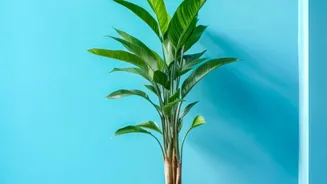
The ZZ Plant is the undisputed champion of low-maintenance indoor gardening. Its glossy, deep green leaves look perpetually polished and bring a touch of modern elegance to any space. It is exceptionally tolerant of low-light conditions, making it ideal
for those corners that don’t get much sun. During the humid monsoon months, the ZZ plant is in its element. It is highly drought-tolerant thanks to its large underground rhizomes that store water, meaning you'll need to water it very infrequently—only when the soil is completely dry. This resilience to both low light and infrequent watering makes it a perfect fit for a forgotten corner, where it will continue to look lush with almost no effort from you.
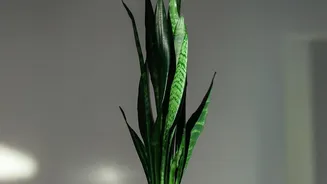
Snake Plant (Sansevieria trifasciata)
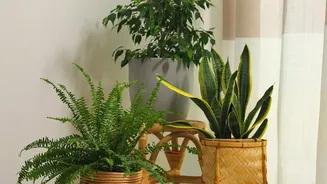
Known for its sharp, architectural leaves, the Snake Plant is another incredibly resilient option. It is famous for its air-purifying qualities and its ability to survive in a wide range of conditions. While it can handle bright light, it is perfectly happy in low-light situations, a common scenario for apartment corners, especially during overcast rainy days. Snake Plants are well-adapted to average indoor humidity and are not fussy, easily tolerating the increased moisture in the air during the monsoon. Like the ZZ Plant, their biggest enemy is overwatering. You should allow the soil to dry out completely between waterings, making them a forgiving choice for busy or forgetful plant parents.
Bird's Nest Fern (Asplenium nidus)
If you want to add a touch of lush, tropical texture, the Bird's Nest Fern is an excellent choice. Its wavy, bright green fronds grow from a central rosette, resembling a bird's nest. Unlike many other plants that suffer in dampness, ferns thrive in high humidity, making them a natural fit for the monsoon season. They prefer indirect light or partial shade, so a corner away from a window is a perfect home. The key to a happy Bird's Nest Fern is keeping the soil consistently moist but not waterlogged. Avoid watering directly into the central 'nest' to prevent rot; instead, water the soil around the base of the plant. Its love for moisture means it will flourish in a damp corner that other plants might find challenging.
Spider Plant (Chlorophytum comosum)
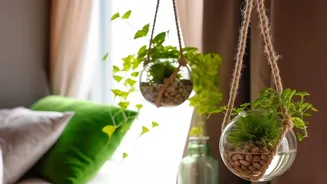
The Spider Plant is a classic houseplant for good reason. It’s incredibly easy to grow, adaptable, and known for its air-purifying abilities. With its arching leaves and dangling 'spiderettes' (baby plants), it adds a playful, dynamic look to any space. Spider Plants thrive in humid environments and are great at absorbing moisture from the air. They are tolerant of a wide range of light conditions but prefer bright, indirect sunlight. However, they can adapt well to lower light levels found in corners. This plant is forgiving and requires minimal maintenance, making it perfect for beginners. Its ability to thrive in the exact conditions of a damp, indirectly lit apartment corner makes it an ideal monsoon companion.
Calathea
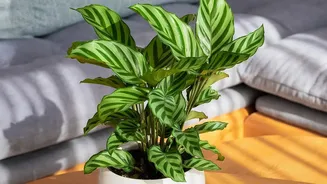
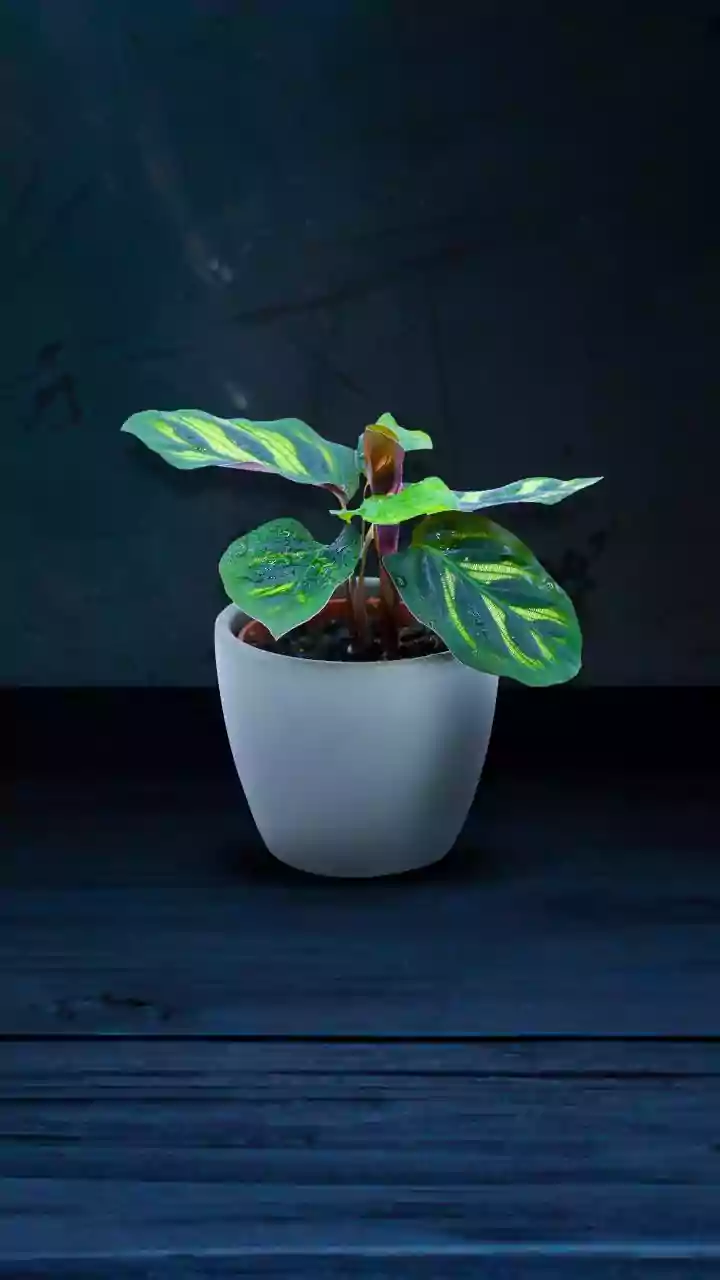
Calatheas, often called Prayer Plants, are grown for their stunningly patterned foliage. Their leaves often feature intricate designs in shades of green, pink, and cream. These plants are native to tropical jungle floors, which means they are naturally adapted to high humidity and lower light conditions. A damp apartment corner during the rainy season mimics their preferred habitat perfectly. While they are slightly more demanding than a Snake or ZZ Plant, their main requirement is consistent humidity, which the monsoon provides for free. Keep their soil evenly moist and place them out of direct sunlight to prevent their vibrant leaves from fading. For a splash of colour and pattern in a dim space, a Calathea is an unmatched choice.