




The New Reality of Extreme Heat
Across India, extreme heat is no longer a rare event but a recurring and dangerous phenomenon. Cities are becoming 'heat islands' where concrete and asphalt trap warmth, keeping temperatures dangerously high even after sunset. This isn't just about discomfort;
it's a significant health risk. Prolonged exposure to heat, especially when nighttime offers no relief, increases the risk of heat exhaustion, dehydration, and cardiovascular stress. Studies show that a large percentage of the Indian population is exposed to high heat risk, and these conditions are projected to worsen. The conversation has shifted from simply surviving summer to adapting our living spaces for a permanently warmer climate.
The Renter's Dilemma: Trapped and Temporary
For the millions of Indians living in rental accommodation, tackling the heat is a frustrating battle. Tenants often live in poorly ventilated apartments and are unable to make permanent structural changes. Simple, effective solutions like installing cool roofs, external shading, or even planting trees are out of the question. This leaves them reliant on stop-gap measures and cooling appliances, which drive up electricity bills. Many renters face a difficult choice between paying high utility costs or enduring unsafe indoor temperatures. Their vulnerability is compounded by the fact that many affordable rental units are in densely packed areas with poor airflow, turning homes into heat traps.
The Homeowner’s Burden: Cost and Confusion
While homeowners have more freedom to modify their properties, they face their own set of challenges. The primary hurdles are cost and a lack of clear, accessible information. Upgrades like reflective roof tiles, double-glazed windows, or wall insulation can be expensive. Moreover, there is a confusing array of products and advice, making it difficult for the average homeowner to know which investments will provide the best results. The over-reliance on air conditioning is a common but unsustainable solution, straining the power grid and leading to high energy bills. Many are unaware of passive cooling techniques that use design and natural airflow to reduce heat without consuming electricity.
Beyond the AC: A Guide to Smarter Cooling
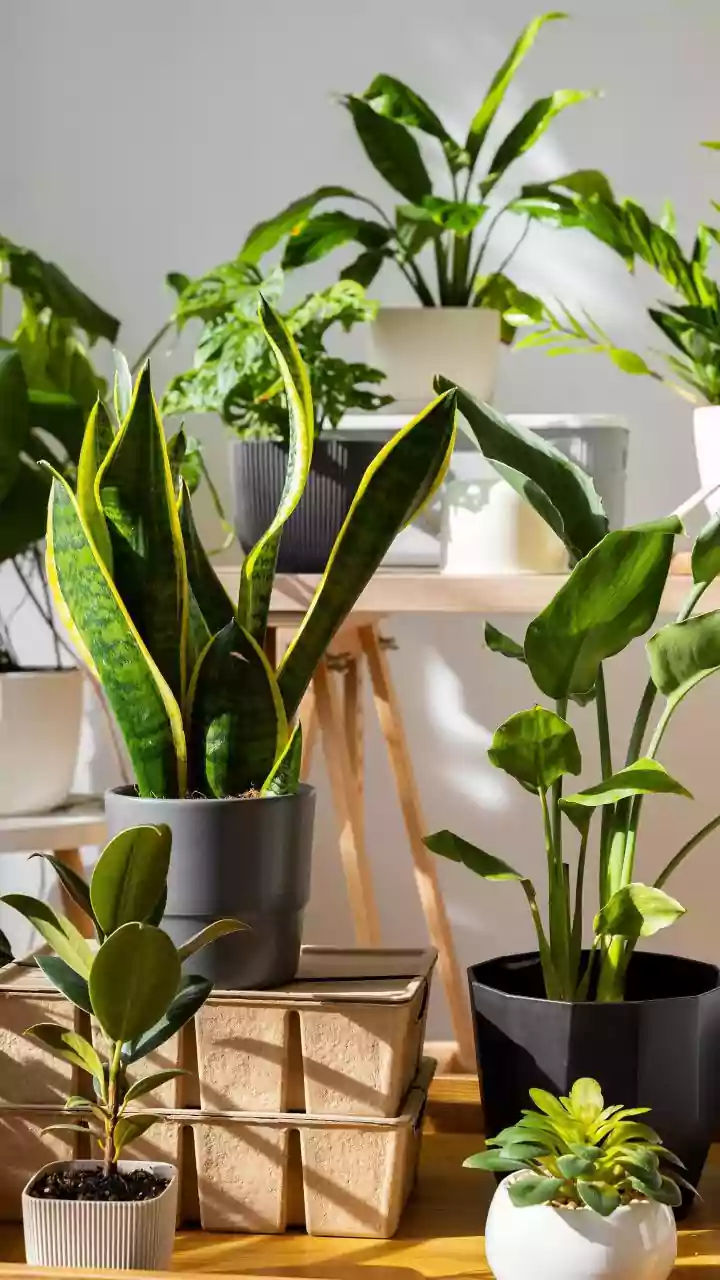
The good news is that there is a wealth of knowledge on how to stay cool, much of which doesn't involve expensive technology. Guidance from organisations like the National Disaster Management Authority (NDMA) and the Indian Society of Heating, Refrigerating and Air Conditioning Engineers (ISHRAE) offers a starting point. For renters, simple changes can make a big difference. Using thick, dark curtains or reflective window films can block a significant amount of solar heat. Ensuring cross-ventilation by strategically opening windows at night or in the early morning helps flush out hot air. Even placing potted plants on a sun-facing balcony can create a cooling micro-environment. For homeowners, investing in a 'cool roof' with reflective paint or tiles can lower indoor temperatures by several degrees. Planting deciduous trees that provide shade in summer is a long-term, natural solution. The key is a multi-layered approach that combines shading, ventilation, and mindful use of appliances.
What Real Guidance Looks Like
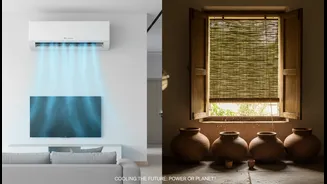
Effective guidance needs to be practical, affordable, and specific to different housing types. It means moving beyond generic advice like "stay hydrated." It involves creating localised heat action plans that consider specific climate zones and building materials. Experts are calling for an Indian-specific comfort standard, as Western models don't always apply to our naturally ventilated buildings and adaptive lifestyles. This includes promoting low-cost innovations like DIY cooling modules, terracotta-based systems, and even smart fabrics. Ultimately, both government bodies and the building industry have a role to play in providing clear, actionable information that empowers every family to create a safer, more comfortable home in the face of rising temperatures.