





From the Field to Your Kitchen
Dried pulses are natural agricultural products. After being harvested from the field, they go through a cleaning process, but it's not always perfect. Because they are grown in the ground, it's common for small, harmless bits of debris from the farm to
make their way into the final package. This can include tiny pebbles, twigs, clumps of dried soil, or shriveled and broken seeds. While modern processing is quite effective, the occasional stray item can slip through, making a quick check by the cook the final, essential line of defense. Ignoring this step means you might end up with an unpleasant, gritty texture or, worse, a cracked tooth from biting down on a small stone.
What to Look For
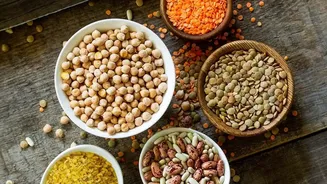
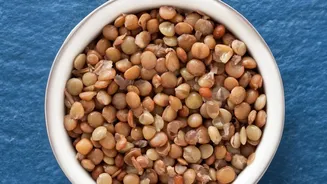
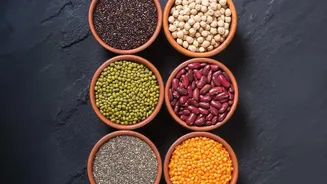
When you pour out your dried pulses, you're looking for anything that doesn't belong. This includes small stones or pebbles that often resemble the pulses themselves. You should also remove any shriveled, discolored, or broken beans, as these won't cook evenly and can affect the final texture of your dish. Occasionally, especially in bulk bins, you might find signs of insect activity, like cowpea weevils, which can infest stored legumes. These pests can be brought in from the field and continue to multiply in storage. Any beans with small holes should be discarded. Taking a moment to sort through them ensures that only the best quality pulses make it into your pot.
A Simple Guide to Sorting and Rinsing
Cleaning your pulses is a quick and easy process. First, pour the dried beans or lentils onto a large, light-colored plate or a rimmed baking sheet. The light background makes it easier to spot any foreign objects. Spread them into a single layer. Using your hands, sift through the pulses, picking out any debris or imperfect beans you find. Once you've sorted them, transfer the pulses to a colander or sieve. Rinse them thoroughly under cold, running water. This not only washes away any remaining field dust but also helps remove surface starches that can cause foaming during cooking.
The Importance of Soaking (For Some)
After sorting and rinsing, some pulses require soaking. Most dry beans, whole peas, and chickpeas need to be soaked to rehydrate them, which ensures they cook evenly and reduces overall cooking time. Lentils and split peas, however, do not require pre-soaking and can be cooked directly after rinsing. Soaking also helps break down complex sugars on the surface of beans that can cause digestive discomfort for some people. There are two main methods: a long overnight soak in the refrigerator or a quick-soak method where you bring the beans to a boil for a few minutes, then let them stand for an hour before draining and rinsing again. Always discard the soaking water and rinse the pulses one last time before cooking.
Beyond Debris: Other Reasons to Rinse
Besides removing physical debris, rinsing has other benefits. It washes away excess surface starches that can make your cooking liquid cloudy or gummy and lead to excess foam on top of the pot. For canned pulses, which are pre-cooked, rinsing is still recommended. This simple step can reduce the sodium content by up to 40% and washes away the starchy liquid they are packed in. Some natural compounds called antinutrients, which are found on the outside of many legumes, can also be washed away by rinsing and soaking. While thorough cooking is the most important step for food safety, particularly for beans like red kidney beans which contain natural toxins that must be destroyed by heat, a good rinse is part of the overall best practice for preparing pulses.