




The Indian vacation is changing. For a new generation of travellers, the charm of a generic hotel room is fading, replaced by a search for something more genuine. A significant shift is underway, favouring the warmth of a home over a hotel lobby.
The Search for Authentic Stays
For many,
the traditional travel checklist of sightseeing followed by a retreat to a standardised hotel is becoming outdated. Modern Indian travellers, particularly millennials and Gen Z, are increasingly driven by a desire for unique experiences rather than just visiting landmarks. This has sparked a quiet revolution against the anonymity of large hotel chains. Travellers today want stories, not just souvenirs, and this search for a genuine sense of place is leading them to the front doors of homestays across the country. The alternative accommodation market in India is booming, with projections showing its gross booking value could reach over ₹415 billion by FY29. This isn't just about finding a place to sleep; it's about finding a space that offers a real connection to the destination.
Personalisation Is the New Luxury
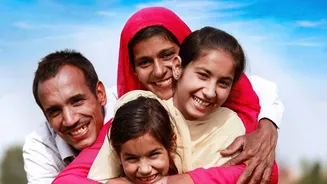
Unlike a sprawling resort, a homestay is built on personal connection. The hosts are often residents, storytellers, and cultural guides who offer a window into the local way of life. This personalised touch is a significant draw. Imagine a host who not only remembers your dietary preferences but also shares a cherished family recipe, or recommends a hidden sunset spot unknown to most tourists. This level of individual attention transforms a trip from a passive viewing into an active, immersive experience. It is this departure from the one-size-fits-all model that many now consider the ultimate luxury, where the value lies not in high thread counts but in the warmth of the welcome.
A True Taste of Local Flavour
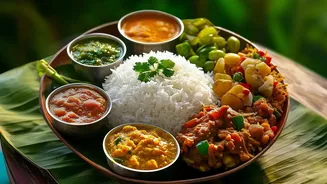
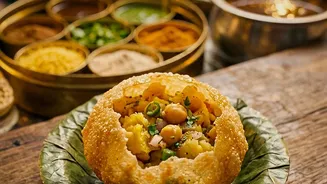
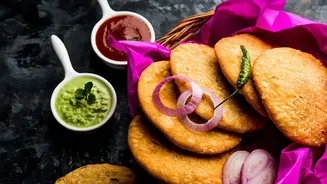
Food is a cornerstone of any travel experience, and homestays offer a culinary journey that hotel buffets often cannot match. Meals are typically home-cooked, featuring family recipes passed down through generations and prepared with fresh, local ingredients. This provides a direct and authentic taste of the region’s culinary identity, far from the standardised menus designed for a mass palate. Whether it's enjoying a traditional coastal specialty in Kerala or a robust mountain dish in Himachal, the experience is intimate and memorable. Learning the story behind the food you are eating from the person who cooked it adds a layer of cultural richness that a restaurant meal rarely can.
Slower Paces and Deeper Connections
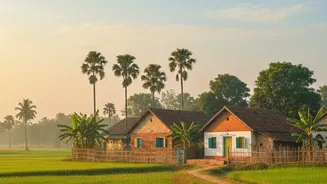
The hustle of urban India has created a strong desire for 'slow travel'—a more mindful approach that allows for deeper connections with a destination. Homestays, often located in quieter residential areas or serene rural settings, are the perfect facilitators for this trend. They encourage a slower rhythm, where there is time to wander without a rigid plan, observe the daily life of the community, and engage in unhurried conversations. This shift is reflected in booking patterns, with travellers showing more interest in unhurried pursuits like birdwatching, reading, and simply relaxing at the property itself. The stay is no longer just a base for exploration; for many, it has become the holiday itself.
Digital Access and Economic Sense
The rise of homestays has been significantly enabled by digital platforms that make them easy to find, vet, and book. Technology-driven platforms like Airbnb, MakeMyTrip, and specialised operators like SaffronStays and StayVista have not only made thousands of homes accessible but have also built trust through user reviews and managed services. While homestays can be a cost effective alternative to hotels, their appeal goes beyond just price. Travellers perceive them as offering better overall value, combining accommodation with the priceless additions of local knowledge, security, and authentic cultural exchange. By choosing a homestay, tourists also directly contribute to the local economy, supporting small business owners and their communities.