

First, Prepare for the Darkness
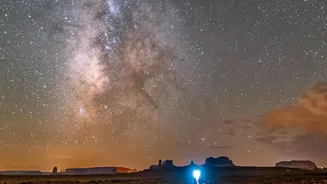
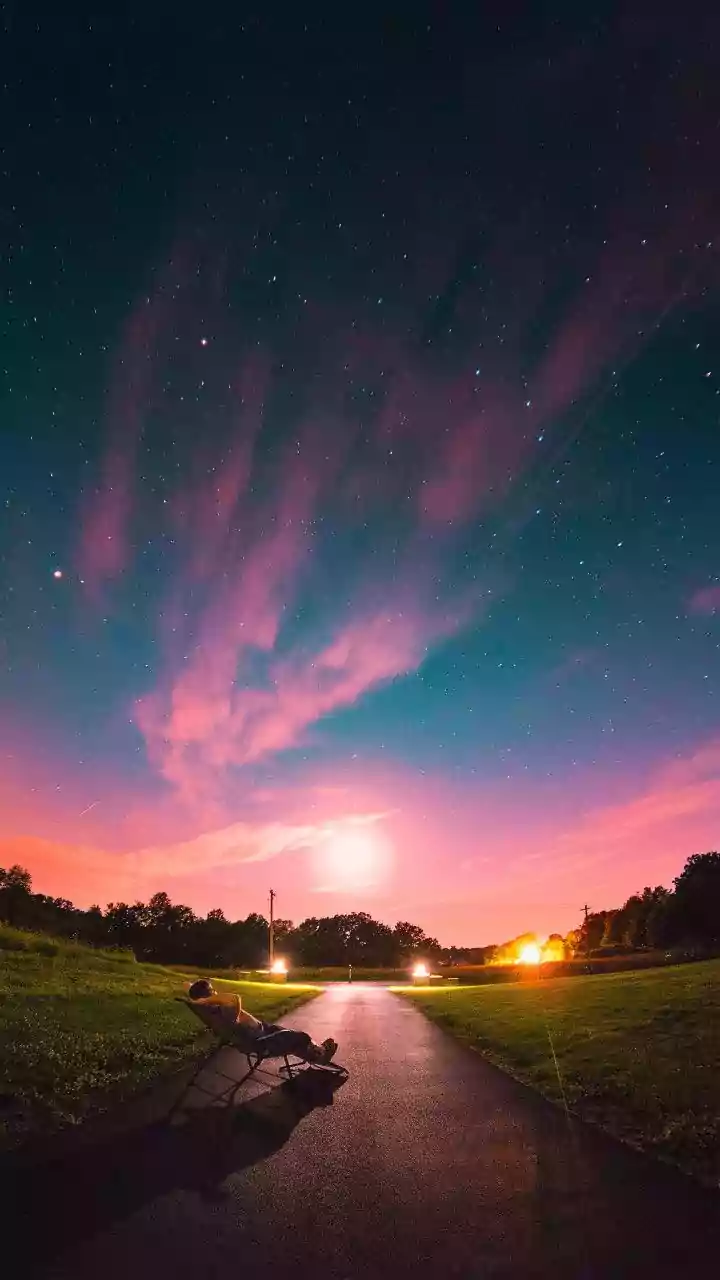
The most crucial tool for naked-eye astronomy is a dark sky. City lights wash out all but the brightest objects, so try to find a location away from direct glare, like a park, a terrace, or the outskirts of town. Once you're there, put your phone away and
turn off any torches. Your eyes need about 20 to 30 minutes to fully adapt to the darkness, a process called dark adaptation. This will dramatically increase the number of stars you can see. If you need light, use a torch with a red filter or a phone screen set to red, as red light doesn't interfere with your night vision as much.
The Star of the Show: Saturn at Opposition
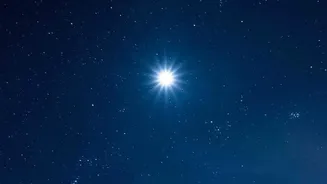
October 2026 is a special month for planet watchers. On October 4, Saturn reaches opposition. This means Earth is directly between the Sun and Saturn, making the ringed planet appear at its biggest and brightest for the year. It will be visible all night, rising in the east around sunset and setting in the west around sunrise. Look for a bright, steady, pale-yellow point of light. While you won't see its famous rings without a telescope, knowing you're looking at the giant of our solar system is a thrill in itself. You can find it by looking below the Great Square of Pegasus in the eastern sky after dark.
Planets on Parade
Saturn isn't the only planet gracing the sky. In the pre-dawn hours, you can spot the bright giants Jupiter and Mars. Look to the east before sunrise to find them. Jupiter will be exceptionally bright. Mars will be identifiable by its distinct reddish hue. Early in the month, on October 5th and 6th, the waning crescent Moon will pass near Mars and Jupiter, making for a beautiful celestial gathering. Venus will be technically visible but extremely difficult to spot, as it sets very shortly after the sun.
Catch a Shooting Star: The Orionid Meteor Shower
October hosts one of the year's most beloved meteor showers: the Orionids. These meteors are actually tiny pieces of debris left behind by the famous Halley's Comet. The shower peaks on the night of October 21-22, when you might see 15 to 20 meteors per hour under ideal conditions. The best time to watch is in the pre-dawn hours after midnight. The meteors will appear to radiate from the constellation Orion, but they can streak across any part of the sky, so you just need a wide, open view. A bright Moon may interfere this year, but viewing after moonset (around 3 a.m.) will still offer a good chance to see these fast, bright meteors.
Connect the Dots: Easy Autumn Constellations
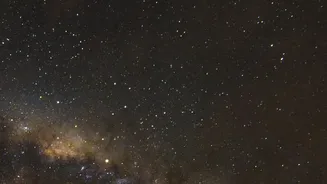
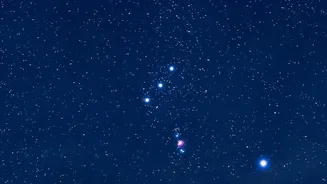
Learning constellations can feel daunting, so start with a few easy ones. As October begins, you can still catch the bright star clouds of the Milky Way in Sagittarius and Scorpius setting in the southwest shortly after sunset. High overhead, you can find the 'Summer Triangle'—three very bright stars named Vega, Deneb, and Altair—which are visible even from light-polluted areas. As the night progresses, look to the east for the most recognizable winter constellation, Orion the Hunter, to begin its ascent. Its three-star belt is an unmistakable signpost in the sky.
Let Your Smartphone Be Your Guide
While the goal is to look up at the sky, not down at your phone, a good stargazing app can be an invaluable guide for a beginner. Free apps like Stellarium, SkyView Lite, or Google Sky Map use your phone's location and sensors to show you exactly what you're looking at in the sky. You can simply point your phone at a bright object, and the app will identify it for you, whether it's a planet, a star, or a distant galaxy. It's like having a planetarium in your pocket, helping you learn the sky at your own pace.