







Your Gut: A Bustling Inner City
Think of your gut not just as a digestive tube, but as a bustling, microscopic city populated by trillions of bacteria, fungi, and viruses. This community is called the gut microbiome. For a long time, its full importance was underestimated. Now, science
is showing that this inner ecosystem is crucial for much more than just digesting food. It plays a key role in training our immune system, regulating our metabolism, producing essential vitamins, and even influencing our mood. A diverse and balanced microbiome is a cornerstone of good health, while an imbalanced one is increasingly linked to chronic conditions ranging from inflammatory bowel disease (IBD) to obesity and diabetes.
The Uniqueness of the South Asian Gut
For years, most microbiome research focused on Western populations. But new studies are highlighting just how distinct the South Asian gut is. Research shows that people in South Asia, consuming traditional, high-fibre diets, often have a microbiome dominated by a bacterium called Prevotella. This microbe is exceptionally good at breaking down complex carbohydrates and fibre from plants, which are staples of traditional Indian diets. In contrast, Western guts are typically dominated by a different bacterium, Bacteroides, which is more suited to a diet higher in protein and fat. This fundamental difference is a direct reflection of generations of distinct dietary patterns, and it has profound health implications.
The Migration Effect: What Happens When We Move?
One of the most startling findings comes from studies on South Asians who immigrate to Western countries. Research shows that within a short time—sometimes as little as six to nine months—their gut microbiome begins to change dramatically. The abundance of native, fibre-loving bacteria like Prevotella declines, while bacteria more common in Western guts start to take over. Scientists call this process "westernization" of the gut. This shift is not trivial. Studies have found that as immigrants and their children adopt a Western diet and lifestyle, this loss of microbial diversity is associated with a significantly higher risk for metabolic diseases and inflammatory conditions like IBD.
Location, Lifestyle, and the Loss of Fibre
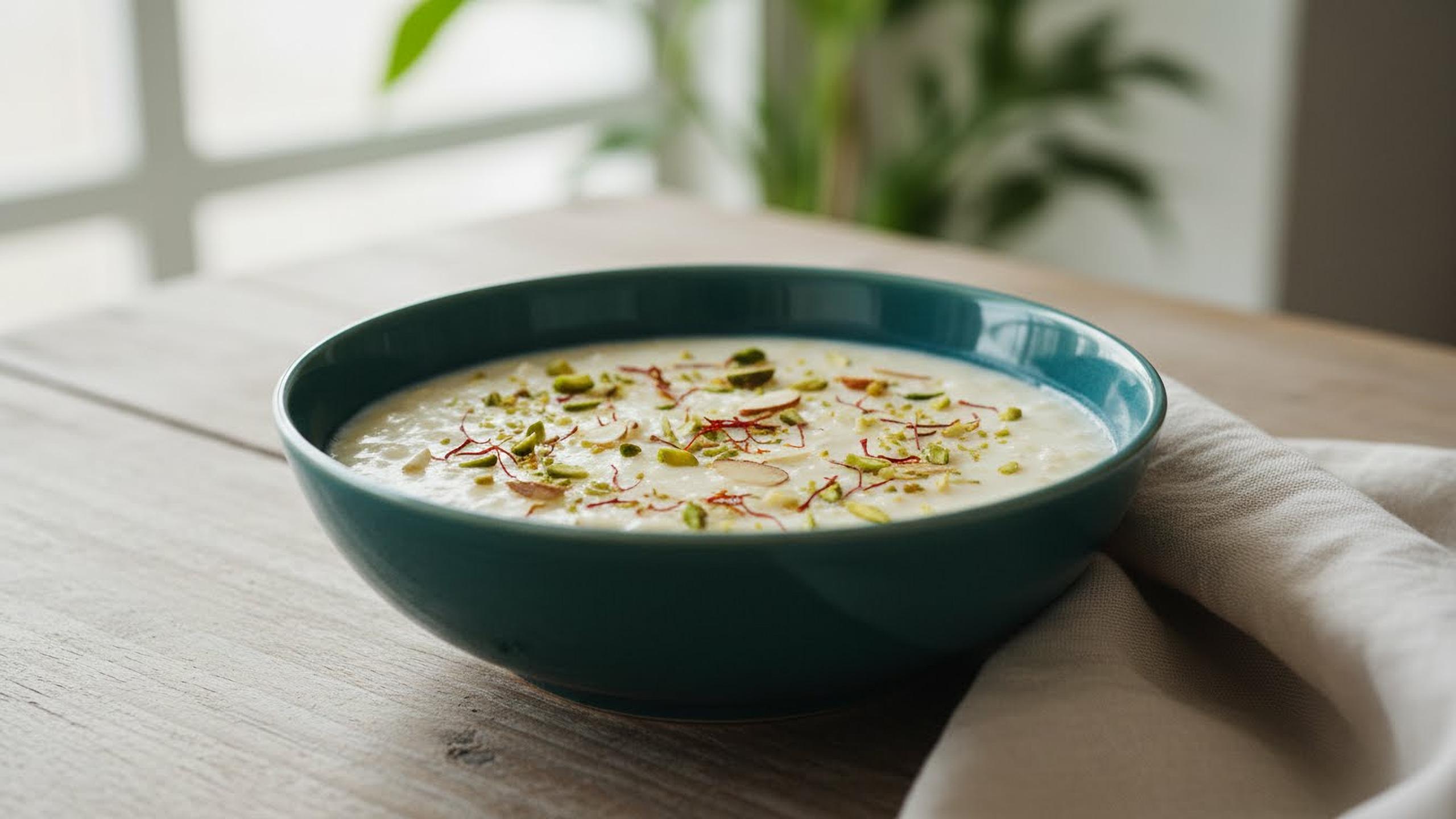
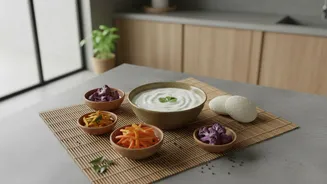
The driving force behind these changes is a powerful combination of location and lifestyle. Moving from a rural village in India to a Canadian city, for instance, involves more than just a change of scenery. It often means a profound dietary shift away from fresh, high-fibre, plant-based meals towards a diet rich in processed foods, unhealthy fats, and sugars. Studies have found that for some Indo-Canadians, ultra-processed foods can make up over half of their daily calories. This dietary change starves the native gut microbes that thrive on fibre. The rich tradition of consuming fermented foods like idli, dosa, and curd, which act as natural probiotics, also tends to decline, further reducing microbial diversity.
A Gut Check: What Can You Do?
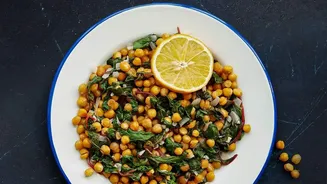
These findings are not a cause for alarm, but a call for awareness. They highlight the powerful connection between our heritage, our environment, and our health. The key takeaway is the immense value of traditional dietary patterns. Consciously re-incorporating high-fibre foods is a great first step. This includes lentils, beans, whole grains, and a wide variety of vegetables. Rediscovering traditional fermented foods can also help replenish beneficial gut bacteria. The spices central to Indian cooking, like turmeric, ginger, and cumin, are also known to have anti-inflammatory and gut-soothing properties. Essentially, protecting your unique South Asian gut microbiome may be as simple as looking to your grandmother’s kitchen for inspiration.