



Boosting your daily protein intake by adding powder to home-cooked food is a great idea, but it can lead to clumpy, chalky, or rubbery results. Getting it right is easier than you think. Here’s how to seamlessly mix it into your favourite dishes.
The Cardinal Rule: Make a Slurry First
The single
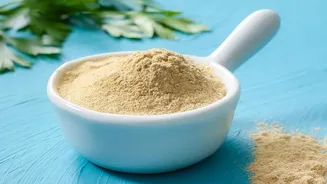
most common mistake when cooking with protein powder is dumping it directly into a large volume of liquid or a finished dish. This almost guarantees clumps. The non-negotiable first step for a smooth result is to create a slurry. In a small bowl, combine your scoop of protein powder with a few tablespoons of cold or room-temperature liquid (like water, milk, or broth) and whisk aggressively until it forms a smooth, thick paste. This process ensures every particle of powder is hydrated evenly. Once you have this lump-free paste, you can easily stir it into the rest of your recipe, whether it's a pot of soup, pancake batter, or a hot beverage.
Choose the Right Powder for the Job
Not all protein powders are created equal, especially when it comes to cooking. Different types have unique properties that affect flavour and texture. Unflavoured whey, casein, and plant-based options are the most versatile. Unflavoured whey isolate is a great all-rounder for fluffy baked goods like cakes and muffins because of its fine texture. For savoury dishes like soups, stews, or sauces, a truly neutral powder like unflavoured pea or soy protein is ideal because it won't impart a sweet or 'milky' taste. When a recipe calls for a specific type of protein, like casein, it's best to stick to it, as substitutions can dramatically alter the outcome.
Baking Basics: Don't Replace All the Flour
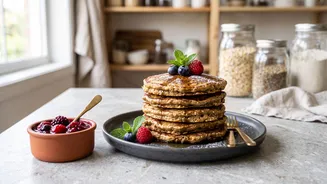
It’s tempting to swap out all the flour in a recipe for protein powder to maximize your protein goals, but this is a recipe for disaster. Protein powder does not have the same structure as flour and will result in dense, dry, or rubbery baked goods. A good rule of thumb is to replace no more than one-third of the flour with protein powder. For a recipe that calls for one cup of flour, use two-thirds of a cup of flour and one-third of a cup of protein powder. Since protein powder is very absorbent, you'll also need to add extra moisture. Ingredients like mashed banana, applesauce, Greek yoghurt, or pumpkin purée work wonderfully to keep things from drying out.
Be Careful With Heat
A common myth is that heat destroys protein's nutritional value. While high heat does change the protein's structure—a process called denaturation—it doesn't reduce the amino acids your body absorbs. Think of it like cooking an egg; the protein changes form but is still nutritious. The real issue with high heat is texture. Adding protein powder directly to boiling liquids can cause it to curdle and clump instantly. To avoid this in hot foods like oatmeal or soup, either let the dish cool slightly before stirring in your protein slurry or add it during the final few minutes of cooking, off the direct heat. When baking, you might even consider lowering your oven temperature by about 10–15°C to prevent your goods from drying out too quickly.
Beyond the Obvious: Creative Uses
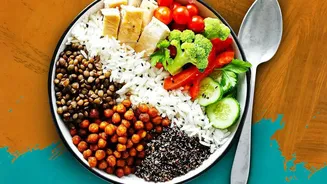
Your protein powder's potential extends far beyond shakes and pancakes. An unflavoured powder can be a 'stealth health' ingredient in numerous everyday meals. Whisk it into scrambled eggs or an omelette mixture before cooking. Blend it into dips like hummus or guacamole to make your snacks more filling. It can also be stirred into mashed potatoes, pasta sauces, or creamy soups to boost protein content without a noticeable change in taste. For baked goods, don't overstirr the batter once the powder is in; stir just until the ingredients are combined to maintain a lighter texture.