




The Magic of Going Vertical
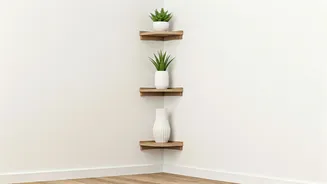
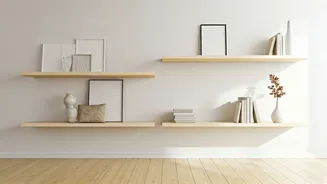
The primary advantage of floating shelves is their ability to utilize vertical space, which is often neglected in small apartments. Unlike traditional bookcases that eat up valuable floor area, these shelves mount directly to the wall, creating a visually
light and airy feel. This minimalist approach draws the eye upward, giving the illusion of higher ceilings and a more open, spacious room. By getting items off the floor and onto the walls, you not only declutter but also transform storage into a design element, making the space feel intentional and organized rather than just full.
Choosing Your Perfect Shelf
The material of your floating shelf plays a big role in both its function and style. Wood is a classic and popular choice, with hardwoods like oak and maple offering exceptional strength and durability for heavier items like books or dishes. For a more modern or industrial look, metal shelves provide robustness and a sleek profile. If you want to create an almost invisible storage solution that makes a room feel larger, consider glass or acrylic shelves, which allow light to pass through them. Engineered woods such as MDF are an affordable and smooth option, perfect for painting to match your decor, though they are best suited for lighter objects.
Strategic Placement for Maximum Impact
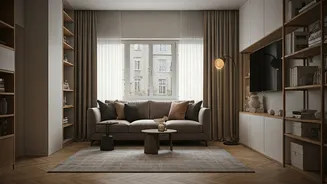
In a studio, every zone counts. Floating shelves can help define different areas without putting up walls. Consider installing a set of shelves above your sofa to create a focal point for displaying art, plants, and books. In the kitchen area, they can replace bulky upper cabinets, opening up the space while keeping everyday dishes and spices within easy reach. A small shelf by the door can act as a mini entryway console for keys and mail. You can even use a floating shelf as a space-saving alternative to a traditional nightstand, providing just enough room for a lamp, your phone, and a book.
Styling to Avoid Clutter
The key to beautifully styled floating shelves is curation. Avoid the temptation to fill every inch of space. Instead, group items in odd numbers, like threes or fives, for a more dynamic look. Vary the height and texture of objects, mixing books, ceramic vases, and metallic accents. Stacking books both horizontally and vertically adds visual interest and creates platforms for smaller decorative items. To maintain a cohesive look, stick to a consistent color palette with your chosen items. Remember to leave some negative space; it gives your curated objects room to breathe and prevents the shelf from looking like a cluttered storage unit.
Installation and Renter Considerations
Proper installation is crucial for both safety and aesthetics. For maximum support, shelves should be screwed into wall studs. If you're a renter, the thought of drilling holes can be daunting. However, many landlords consider small screw holes normal wear and tear, and they are easily patched with spackle before you move out. For a completely damage-free approach, look for innovative products that use adhesive strips or small pins designed for drywall, which can hold a surprising amount of weight and leave minimal marks. Always check the weight capacity of your shelves and mounting hardware, especially if you plan to store heavy items.