


The Enduring Appeal of 'Baked Earth'
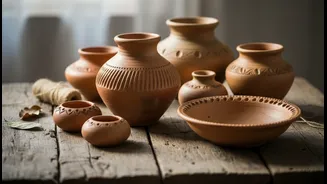
Terracotta, which translates to 'baked earth' in Italian, is a clay-based ceramic that has been used for millennia across cultures, including a rich history in India. Its current resurgence in modern interior design is no surprise. The warm, reddish-brown
hue brings an organic, grounding energy to spaces that can sometimes feel cold or sterile. Unlike mass-produced decor, terracotta items often retain a handmade charm, with subtle imperfections that add character and a sense of history. This material connects a space to nature, making even the most high-tech apartment feel more human and inviting. From the iconic Bankura horses of West Bengal to the functional matkas found in homes across the country, Indian terracotta art offers a vast and accessible heritage to draw from.
The Principle of Balance
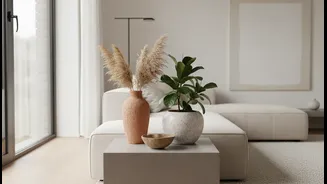
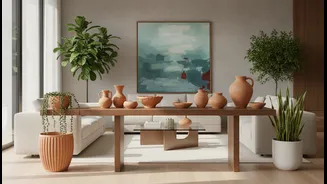
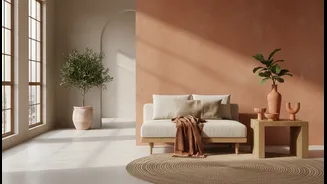
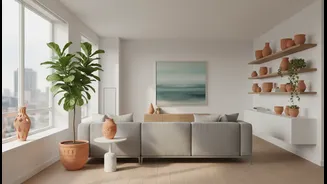
Successfully combining traditional terracotta with a modern layout hinges on one key principle: balance. The goal is to create a harmonious dialogue between old and new, not a competition. Start by establishing a neutral base. Modern layouts often feature white, grey, or beige walls, which provide the perfect backdrop for the rich, earthy tones of terracotta to stand out without overwhelming the space. Think of your modern furniture—a sleek sofa, a minimalist coffee table, metal-framed shelves—as the clean canvas. The terracotta pieces then act as deliberate, soulful accents that introduce texture, warmth, and a story. The contrast between a smooth, modern surface and the rustic texture of unglazed clay is where the magic happens.
Choosing Your Terracotta Accents
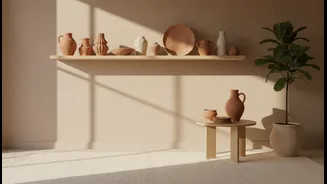
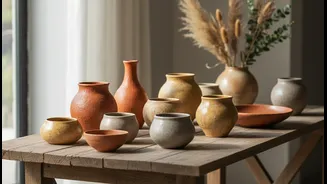
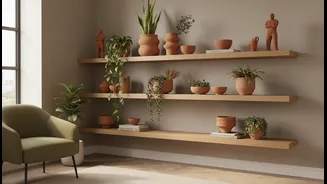
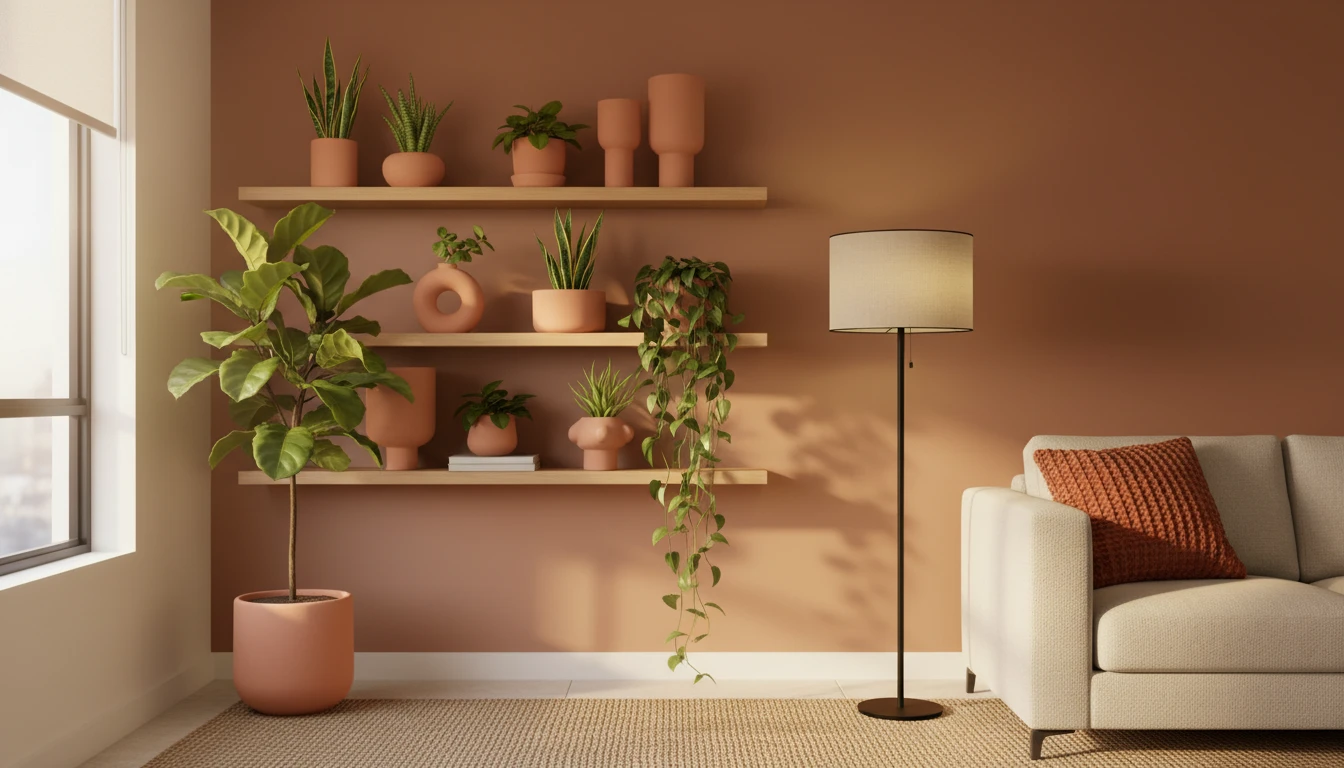
The beauty of this trend is its versatility. You can go as big or as small as you like. For a subtle touch, start with small items. A collection of handmade terracotta vases, bowls, or decorative vessels on a floating shelf or console table adds instant artisanal character. Even a single, large terracotta planter holding a lush indoor plant like a fiddle leaf fig can become a stunning focal point, celebrating the natural pairing of greenery and clay. For a bolder statement, consider textiles like terracotta-colored cushions on a neutral sofa or a patterned rug with earthy tones to anchor your living area. You can also find terracotta in the form of table lamps, decorative sculptures, and even kitchenware like backsplash tiles or traditional cooking handis.
Smart Placement for Urban Spaces
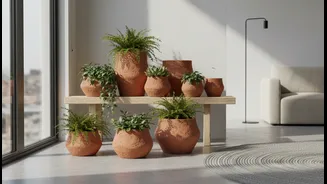
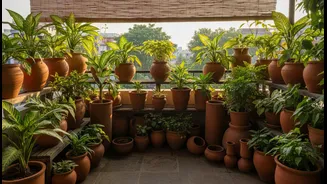
In a compact apartment, every item needs to earn its place. Use terracotta to create small, curated moments or 'vignettes'. A cluster of small pots on a windowsill can catch the light beautifully. In the kitchen, open shelves are an ideal spot to display a mix of terracotta mugs, plates, and storage jars, blending functionality with rustic charm. Don't forget unexpected spaces like entryways or narrow passages; a small terracotta sculpture or a wall-hung planter can transform these overlooked corners into personal storytelling pockets. On the balcony, group various sizes of terracotta pots to create a mini garden that feels both lush and earthy. This approach ensures you add warmth without creating clutter.
Making It Renter-Friendly
The best part about decorating with pottery is that it's inherently renter-friendly. Since you can't make structural changes like adding terracotta floor tiles, portable decor is your greatest asset. Instead of painting an accent wall, which might be against your lease, use a large, terracotta-colored textile hanging or tapestry to create a similar effect without leaving a mark. Lean a large mirror against a wall to make the space feel bigger and reflect the warm tones of your pottery. Use adhesive hooks and strips to hang lightweight terracotta-inspired art or small wall shelves for your pottery collection. Focus on layering with textiles—rugs, throws, and curtains—which add significant warmth and are easy to take with you when you move.