

The Cruciferous Family's Secret Weapon
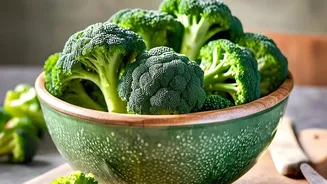
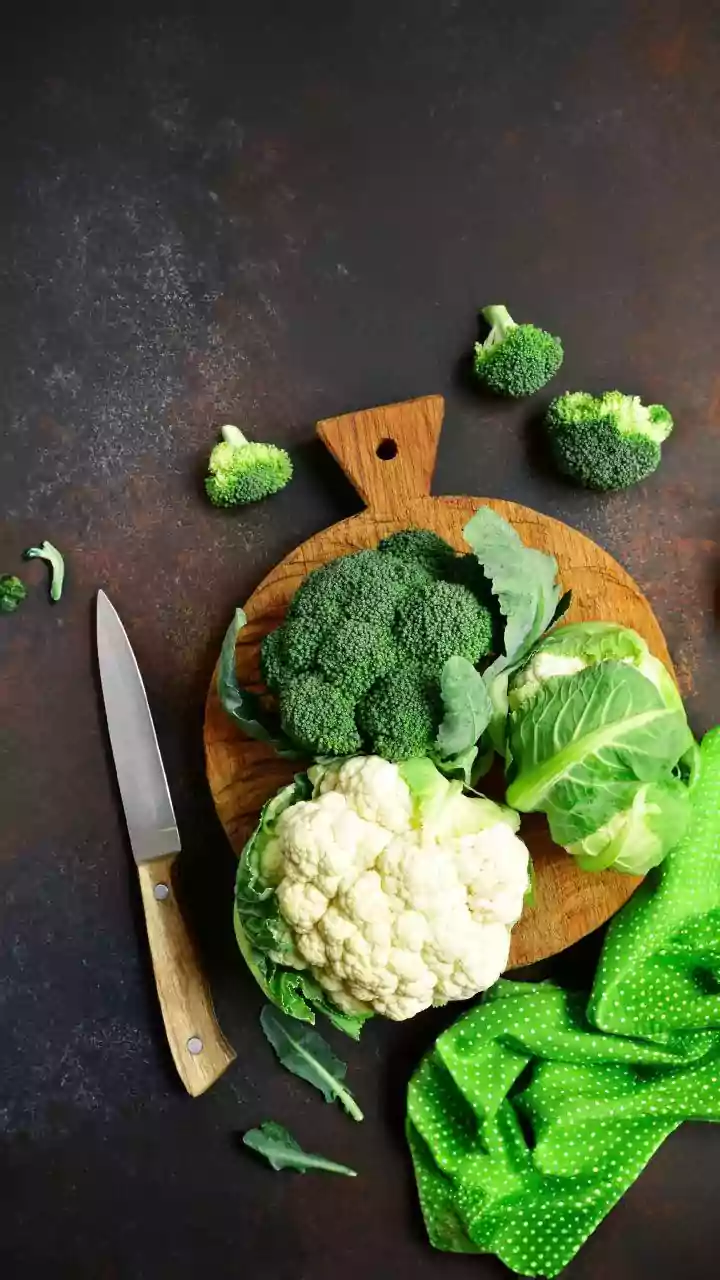
Vegetables like broccoli, cauliflower (gobi), cabbage (patta gobhi), and Brussels sprouts belong to the cruciferous family. They are celebrated for containing a class of compounds called glucosinolates. These aren't the beneficial compounds themselves,
but rather the precursors. When you chop or chew these vegetables, an enzyme called myrosinase is released, which converts glucosinolates into potent antioxidants, most notably one called sulforaphane. It is this compound that scientists have linked to a range of health benefits, including protecting cells from damage. The challenge, however, is that this entire process is incredibly sensitive to how you cook your vegetables.
The Problem with Overcooking
Many common cooking methods can unfortunately work against you. Boiling is the biggest offender. When you boil cruciferous vegetables, the water-soluble glucosinolates leach out into the cooking water, which is then usually poured down the drain. Studies have shown this can result in a massive loss of these vital precursors. High heat from methods like boiling or even microwaving for too long can also destroy the crucial myrosinase enzyme. Without this enzyme, the conversion to beneficial sulforaphane cannot happen efficiently inside the vegetable before you eat it. You end up with a vegetable that has lost much of its potential.
The 'Goldilocks' Steam Solution
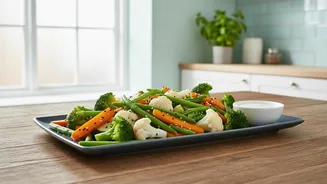
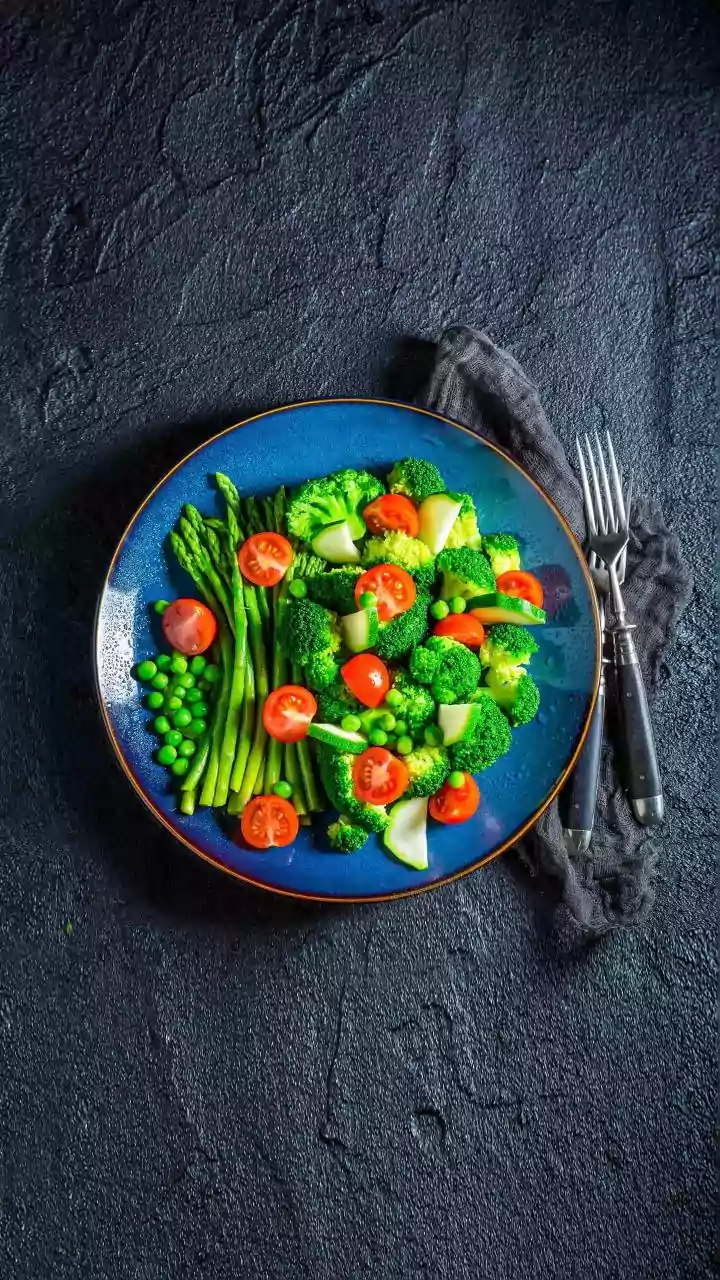
This is where steaming comes in as the hero. Research has identified that a brief steam cycle, typically lasting just three to five minutes, is the ideal 'Goldilocks' method. This short burst of gentle heat is enough to make the vegetables tender-crisp and more palatable, but it’s not destructive. Crucially, because the vegetables are not submerged in water, the glucosinolates don't leach out. In fact, some studies suggest steaming can make these precursors even more available than in their raw state. While the heat does eventually deactivate the plant's own myrosinase enzyme, it preserves the glucosinolates themselves, leaving them intact for the beneficial bacteria in your gut to convert into sulforaphane later. This makes steaming far superior to boiling for preserving antioxidant potential.
A Simple Guide to Perfect Steaming
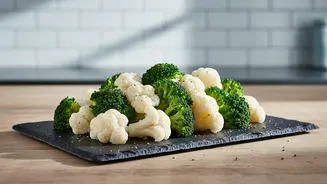
Adopting this method is incredibly simple. All you need is a pot with a lid and a steamer basket. 1. Prepare your vegetables: Wash and chop your broccoli, cauliflower, or cabbage into bite-sized florets or pieces. 2. Boil the water: Add about an inch of water to your pot and bring it to a rolling boil. 3. Add the vegetables: Place the vegetables in the steamer basket, and set the basket over the boiling water. Ensure the water level is below the basket so it isn't touching the vegetables. 4. Cover and time it: Cover the pot with a tight-fitting lid and steam for 3 to 5 minutes. The goal is a vibrant, bright green colour (for broccoli) and a texture that is tender but still has a slight crunch. Avoid letting them become dull and mushy.
Maximising Your Veggie Power
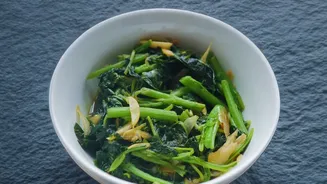
This technique works beautifully for a whole host of cruciferous vegetables, including broccoli, cauliflower, kale, mustard greens, Brussels sprouts, and bok choy. For an extra boost, some research suggests that chopping the vegetables and letting them rest for about 30 to 40 minutes before cooking can allow the myrosinase enzyme to begin creating sulforaphane before it's deactivated by heat. Another trick is to pair your cooked cruciferous vegetables with a raw one that contains active myrosinase, such as a sprinkle of mustard seed powder or a side of arugula (rocket) salad. This provides a source of the enzyme to help with the conversion process.