



A lush wall of living greenery can transform any room, turning a blank space into a breathtaking natural feature. But beyond the beauty, what does it really take to maintain a vertical garden? Here are the facts you need before you grow up.
More Than Just a Pretty Wall
A vertical
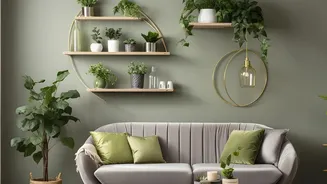
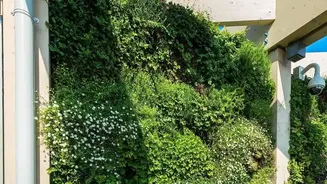
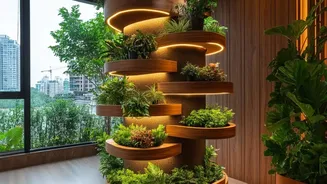
garden, also known as a living wall, is a system for growing plants on a vertical surface. Unlike a simple trellis with climbers, modern living walls are often pre-planted modular panels or felt pockets that create an instant, dense wall of foliage. These can be installed indoors or outdoors, using a wide range of plants to create a living work of art. The primary appeal is aesthetic; they bring the vibrancy of a garden into the home without taking up valuable floor space, making them ideal for urban apartments and smaller homes. They can act as a stunning focal point, improve a room's acoustics by absorbing sound, and add a unique texture and depth to your interior design.
The Real Benefits of Going Vertical
The advantages of a living wall extend beyond looks. Plants are natural air purifiers, and a dense collection of them can help improve indoor air quality by absorbing pollutants and carbon dioxide. This contributes to a healthier and more relaxing indoor environment. Studies have shown that being around plants can reduce stress and boost creativity, a concept known as biophilic design. For buildings, they can even offer an extra layer of insulation, helping to cool homes in the summer and potentially reducing energy bills. Furthermore, they provide a habitat for insects and can be used to grow fresh herbs and vegetables right in your kitchen.
A Reality Check: The Challenges
While beautiful, living walls are a significant commitment. The initial cost can be high, involving not just the system itself but potentially professional installation, waterproofing, and sometimes structural support. Ongoing maintenance is the biggest challenge; these are not 'install and forget' features. They require regular checks of the irrigation system, feeding, and pruning to keep the plants healthy and neat. Pests can be an issue and may spread quickly through the dense foliage if not managed early. There's also the risk of water damage to your home's walls if the system is not properly installed and waterproofed. Homeowners must honestly assess if they have the time and budget for this long-term care.
Choosing Your System
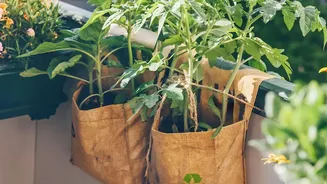
Vertical garden systems generally fall into two categories. Soil-based systems use containers or felt pockets packed with a lightweight growing medium, which is often a mix of cocopeat, perlite, and compost. These are common for home DIY setups. The second type is hydroponic, where plants grow in an inert material like felt matting, and nutrient-rich water is circulated through the system. Hydroponic walls are often lighter but can be more complex to manage. Systems can also be modular, consisting of pre planted panels that are easy to install, or custom built for a specific space. For those wanting the green look with zero upkeep, preserved moss walls offer a maintenance free alternative, though they don't provide the same air purifying benefits as living plants.
The Right Plants for Indian Homes
Plant selection is critical for a thriving wall. For indoor walls in most Indian climates, hardy, low maintenance plants are the best choice. Money Plant (Epipremnum aureum) is a favourite for its forgiving nature and trailing vines. Other excellent options include the Spider Plant, Syngonium, Heartleaf Philodendron, and various ferns like the Boston Fern, which love humidity. These plants generally adapt well to the bright, indirect light found in many homes. For sunnier spots on a balcony, you could try heat tolerant species like Vinca (Sadabahar) or Portulaca. The key is to choose plants with shallow roots that tolerate the specific light and moisture conditions of your wall.
Long Term Care and Commitment
A living wall's survival depends on consistent care. Most systems use an automated drip irrigation setup to deliver water and nutrients, but this needs monitoring. You'll need to check moisture levels, ensure the system is working, and adjust watering based on the season—more in summer, less in winter. Nutrients are depleted quickly, so regular fertilising every few weeks during the growing season is essential. Pruning is necessary to remove dead leaves and keep plants from becoming overgrown. Finally, regularly inspect the undersides of leaves for common pests like spider mites and aphids to catch any infestations early.