









A Pilgrimage by the Numbers
The data from the Shri Amarnathji Shrine Board (SASB) is unequivocal. In recent years, the number of devotees registering for the arduous pilgrimage to the holy cave in the Kashmir Himalayas has shattered previous records. Advance registrations have crossed
figures in the hundreds of thousands weeks before the yatra even begins, a testament to an unprecedented surge in demand. While the pilgrimage has always been a cornerstone of faith for many Hindus, this recent explosion in interest points to a new demographic force. Officials on the ground and tour operators have consistently noted a visible shift: the queues are getting younger, the trekking groups more diverse, and the overall profile of the pilgrim is changing from the traditionally middle-aged devotee to include a significant number of people in their twenties and thirties.
The Digital Pilgrim's Journey
A significant driver of this youth-led boom is technology. Gone are the days of complex, offline registration processes that required navigating bureaucratic hurdles. The SASB’s introduction of a seamless, app-based, and online registration system has been a game-changer. For a generation accustomed to managing their lives through a smartphone, booking a slot for the yatra is now as straightforward as ordering food or booking a flight. But technology's role extends far beyond logistics. Social media has transformed the yatra from a private spiritual quest into a shared, aspirational experience. Instagram is flooded with stunning reels of the breathtaking Himalayan landscape, while YouTube hosts countless vlogs detailing everything from physical preparation to the feeling of 'darshan' at the cave. This digital footprint has demystified the pilgrimage, making it accessible and highly desirable for a younger audience that values shareable experiences.
When Adventure Meets Devotion
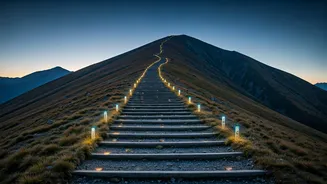
For many young Indians, the Amarnath Yatra is increasingly being framed as a 'divine trek.' It represents the perfect intersection of spiritual fulfilment and physical challenge. The journey, which involves trekking at high altitudes through unpredictable weather, appeals to a generation that embraces fitness, adventure sports, and bucket-list travel. This isn't necessarily a dilution of faith, but an evolution of it. The physical hardship is seen as part of the spiritual test, and completing the journey is a badge of honour, signifying both mental grit and divine blessing. Tour companies have picked up on this trend, marketing the yatra with an emphasis on adventure, camaraderie, and scenic beauty, tapping into the same energy that fuels the popularity of treks to places like Ladakh or Spiti Valley. The pilgrimage becomes a holistic achievement—testing the body, calming the mind, and nourishing the soul.
A New Search for Meaning
Beneath the layers of technology and adventure lies a deeper, perhaps more profound, motivation. Observers suggest this trend reflects a wider search for authenticity and meaning among young Indians. In a world of digital saturation and fast-paced urban life, the yatra offers a powerful disconnect—a chance to reconnect with nature, heritage, and oneself. It’s a move away from institutionalised, ritual-heavy religion towards a more personal and experiential form of spirituality. The post-pandemic landscape may have also accelerated this quest for meaningful experiences over material possessions. For many, undertaking a challenging pilgrimage is a way to process, reflect, and find a sense of purpose and perspective that modern life often obscures. It’s a conscious choice to step out of their comfort zone in search of something more enduring.