




The Golgappa Explosion
Let’s start with a dish that is less a food and more a multi-sensory event: the pani puri, or golgappa. It’s the undisputed king of chaat for a reason. The magic begins with a hollow, crispy sphere of fried dough. A small hole is poked in the top, creating
a vessel for a delicious mixture of boiled potatoes, chickpeas, and spices. But the real hook, the element that causes a flavour explosion in your mouth, is the 'pani'—a tamarind or mint-coriander water that is simultaneously tangy, spicy, sweet, and cool. The ritual is part of the allure. You stand at the stall, cup in hand, as the vendor swiftly assembles your next piece. You have to eat it in one go, and the moment the puri shatters, your palate is flooded. It’s the contrast of the crunchy shell against the soft filling and the liquid rush of flavoured water that makes it utterly addictive. It's not just a snack; it's a fleeting moment of pure, unadulterated joy.
Mumbai's Humble Hero
On paper, the Vada Pav sounds deceptively simple: a spiced potato fritter (vada) sandwiched in a soft bread roll (pav). But to dismiss it as just a potato burger is to miss the point entirely. This is Mumbai’s heartbeat, a culinary masterpiece of texture and taste that fuels a city. The genius lies in the details. The vada itself is soft and fluffy, seasoned with mustard seeds, curry leaves, and turmeric. But what elevates it to legendary status are the chutneys. A fiery dry garlic chutney (lasun chutney) is sprinkled inside the pav, providing a pungent, spicy kick. This is often accompanied by a vibrant green chutney and a sweet tamarind one. The combination of the pillowy pav, the savoury vada, and the explosive chutneys creates a perfect harmony. It’s cheap, filling, and delivers a flavour punch that far outweighs its humble appearance. One bite, and you understand why millions consider it the ultimate comfort food.
The Himalayan Addiction
Over the past couple of decades, momos have gone from a regional delicacy to a national obsession. These steamed or fried dumplings, with their origins in Tibet and Nepal, are now a beloved street food across India. The dumpling itself is a marvel of simplicity—a thin wrapper encasing a savoury filling of minced vegetables or meat, seasoned with ginger, garlic, and onion. It's comforting and delicious on its own. However, the true 'hook' of the momo experience is its inseparable partner: the chutney. This is no ordinary dip. The classic momo chutney is a fiery, bright red concoction made from tomatoes, red chillies, and garlic. It’s sharp, spicy, and intensely flavourful, designed to cut through the richness of the dumpling. The addiction comes from this perfect pairing: the mild, juicy momo provides a canvas for the electrifying jolt of the chutney. You take a bite of the dumpling, then a dip of the sauce, and the cycle repeats until the plate is empty and you're already planning your next order.
The Sweet, Tangy Spiral
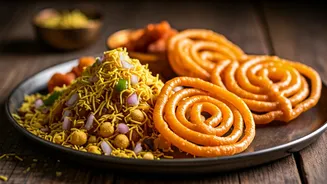
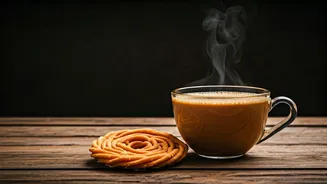
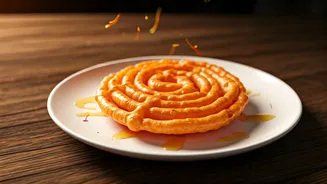
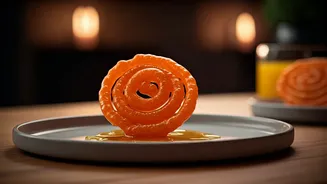
In the world of Indian sweets, the jalebi stands in a category of its own. These bright orange, pretzel-like spirals are a feast for the eyes before they even reach your mouth. They are made by deep-frying a fermented batter of flour in hot oil and then soaking the crispy creations in a thick sugar syrup. The result is a sweet that is complex and deeply satisfying. What makes jalebi so irresistible isn't just its sweetness. The fermentation of the batter lends a subtle, sour tang that beautifully balances the intense sugar rush of the syrup. The texture is another key to its appeal: a delicate, crispy exterior gives way to a chewy, syrupy centre. Eating a hot, freshly made jalebi is a transformative experience. It’s a blast of sugar, a hint of sourness, and a delightful textural contrast all in one bite. It’s no wonder this sweet is a staple at celebrations and festivals—it’s happiness in a spiral.