
What is Slow Decorating?
Slow decorating is a philosophy that encourages a more intentional and mindful approach to creating your home. It has its roots in the 'Slow Food' movement, which pushed back against fast, mass-produced options in favour of quality and thoughtful consumption.
In interior design, this translates to rejecting the pressure to buy everything at once and achieve an 'insta-perfect' room. Instead, it’s about taking your time to curate a space that truly reflects your personality, needs, and story. It champions patience, prioritising quality pieces over a large quantity of temporary fillers, and seeing your home as an ever-evolving project rather than a task to be completed.
The Joy of Building in Stages
The most significant advantage of embracing slow decorating is that it allows you to furnish a room in stages, which is often more practical and financially manageable. But the benefits go far beyond the budget. This method fosters a deeper connection with your belongings. When you save up for a quality wooden bookshelf from a local artisan or spend months searching for the perfect armchair, that piece holds more meaning than a hastily bought alternative. This approach is also inherently sustainable, as it moves away from throwaway culture. You invest in durable items you genuinely love and are less likely to discard them when a new trend appears. Ultimately, a room built in stages tells a unique story—your story.
Start with the Foundation
So, how do you begin building a room in stages? Start with the absolute essentials. First, declutter the space to create a blank canvas. Then, focus on the 'anchor' pieces that are crucial for the room's function. In a bedroom, this would be a good quality bed and mattress. In a living room, a comfortable sofa is key. These are the items you'll use most, so it's wise to allocate a significant portion of your initial budget here. Before buying anything, measure your space carefully. Think about a basic colour palette with neutral, earthy tones for the walls, which creates a calming backdrop that won't go out of style and allows you to add pops of colour later.
Layering with Time and Intention
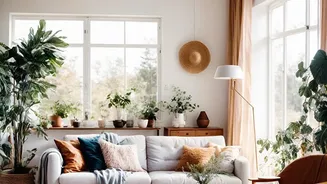
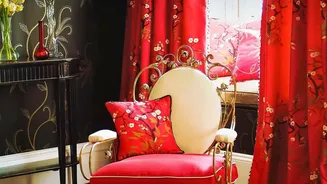
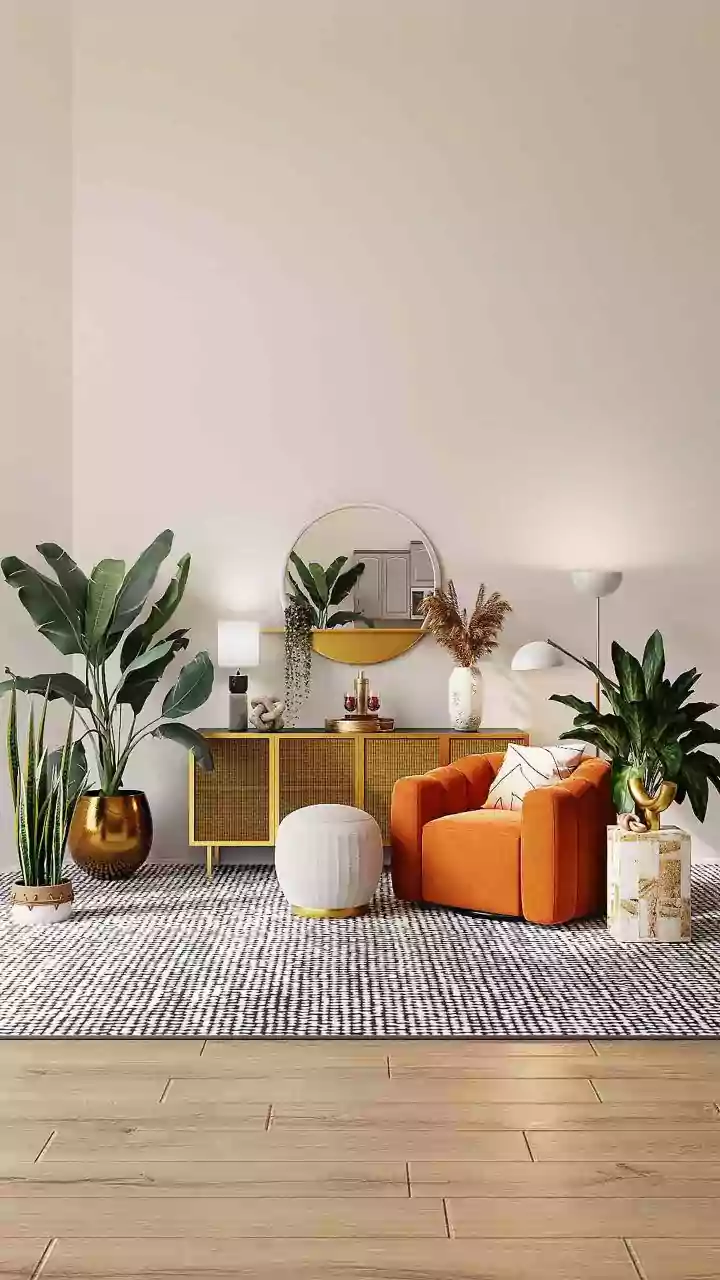
Once your foundational pieces are in place, resist the urge to fill every empty corner. Live in the space for a while. Understand how the light moves through the room, how you use the area, and what you truly need next. Perhaps you'll realise you need a small side table next to your sofa, or that a particular corner is perfect for a reading lamp. The next phase is about layering. This is where you add secondary furniture, like coffee tables, shelving, or additional seating. This is also the time to bring in textiles like rugs and curtains, which add warmth and texture. Don’t rush these decisions. Wait for pieces that speak to you, whether they are new, vintage, or handcrafted.
Embracing the Evolving Home
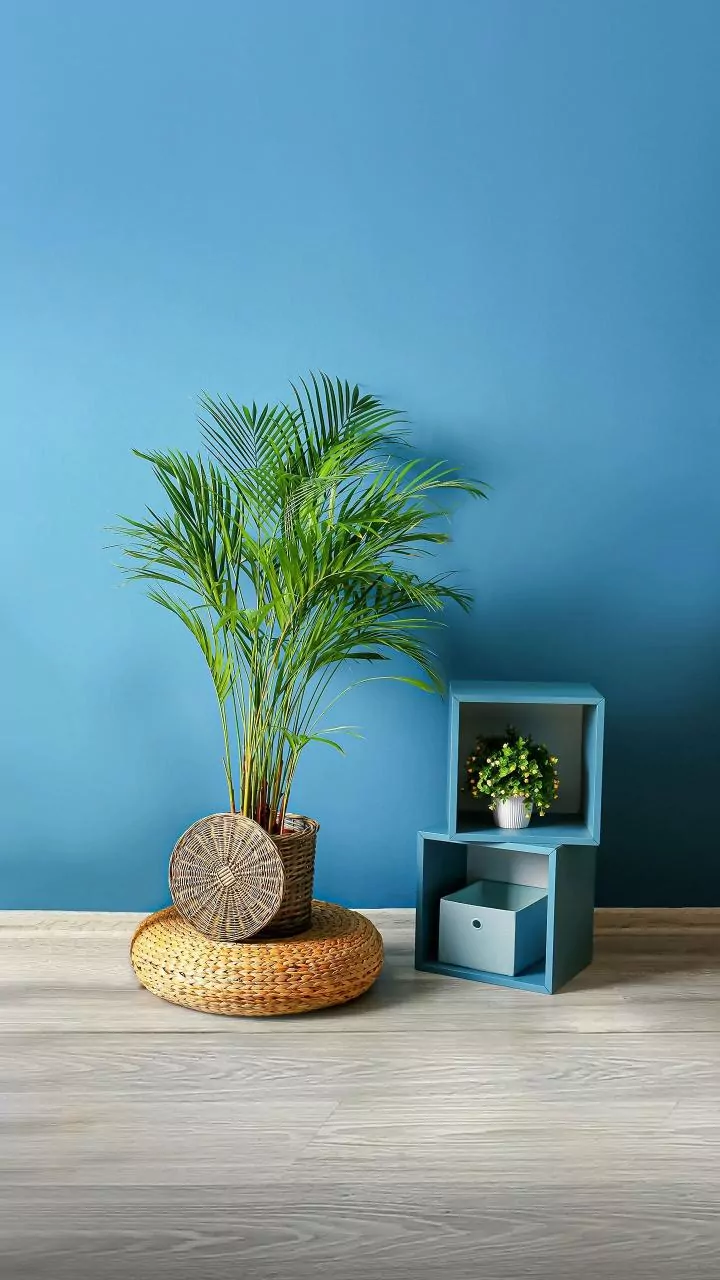
The final, and perhaps most important, aspect of slow decorating is letting go of the idea that your home will ever be truly 'finished'. A home is a living, breathing entity that should grow and change with you. The final layers—art, decor, plants, and personal mementos—are what make a house a home. These items should be collected over time, reflecting your travels, hobbies, and memories. A piece of art from a local fair, a handwoven textile from a family trip, or even a simple clay pot you painted can bring immense character. This philosophy encourages you to enjoy the journey of creating your home, finding beauty in the process and the imperfections along the way.