




What Exactly Is Farm-to-Fork Tracking?
At its core, farm-to-fork traceability is the process of creating a digital record of a food product's journey, from its origin on a farm to the moment it reaches your kitchen. Imagine a digital passport for your food. This is achieved using technologies
like QR codes on packaging, Internet of Things (IoT) sensors monitoring storage conditions, and blockchain for creating secure, tamper-proof records. When you scan a QR code on a product with your smartphone, you can instantly see details like the farm's location, harvest date, processing information, and transit history. This shift turns a simple food label from a static claim into a verifiable story, building trust through transparency.
From Buzzword to Your Grocery Basket
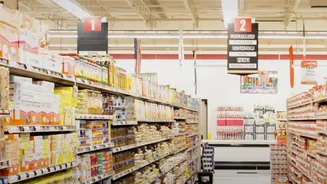
This isn't just a futuristic concept; it's already being implemented across India. Startups are offering platforms that allow farmers to generate unique QR codes for their produce, linking each batch directly to their farm's profile and practices. Some solutions even work offline, a crucial feature for rural areas with inconsistent internet connectivity. On a larger scale, the Indian government is leveraging this technology to improve the Public Distribution System (PDS). Following successful pilots, the Centre is expanding its QR code tagging initiative for foodgrain bags in states like Andhra Pradesh and Telangana to curb leakage and ensure subsidised grains reach the intended beneficiaries.
A Response to Growing Consumer Demand
The push for traceability is largely driven by a fundamental shift in consumer awareness. In recent years, Indian shoppers have become more inquisitive and discerning about their food choices. Spurred by social media discussions and growing health consciousness, consumers are no longer satisfied with brand reputation alone; they demand proof of quality and authenticity. Food regulators are also taking notice. The Food Safety and Standards Authority of India (FSSAI) has been vocal about the need for digital traceability to strengthen the food ecosystem, manage foodborne illness outbreaks, and enhance consumer trust. This creates a powerful incentive for food businesses to adopt transparent practices, moving beyond compliance to build genuine customer loyalty.
Empowering Consumers and Farmers Alike
The most significant benefit for consumers is the newfound confidence in their purchases. Traceability provides a clear line of sight into a product’s origin, helping verify claims related to organic farming, sourcing, and handling. In the event of a food safety issue, this technology allows for swift identification of the contamination source, enabling faster recalls and protecting public health. But the advantages extend to farmers as well. For smallholders, digital records help preserve the identity of their produce as it moves through a complex supply chain, reducing their dependence on intermediaries. This can protect them from price manipulation and potentially enable them to command premium prices for verified, high-quality goods by connecting them more directly to the end consumer.
The Roadblocks to Full Transparency
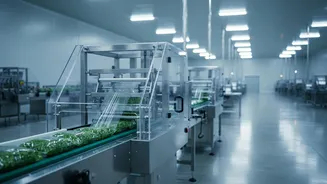
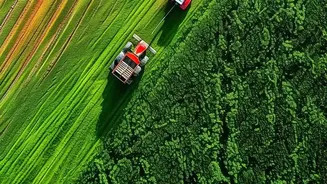
Despite the clear benefits, a nationwide rollout faces significant hurdles. India's agricultural sector is vast and fragmented, composed of millions of smallholder farmers. The cost and technical knowledge required to implement digital systems can be a major barrier for them. Widespread adoption requires substantial investment in infrastructure, training, and ensuring interoperability between different systems used by various stakeholders. Furthermore, ensuring data integrity across the entire chain—from a small farm to a large processing plant and through multiple logistics partners—is a complex operational challenge that requires coordination and buy-in from everyone involved.