








What Exactly is a Cool-Cation?
A cool-cation is exactly what it sounds like: a vacation planned specifically to escape rising summer temperatures at home. Instead of flocking to sun-drenched beaches, travellers are intentionally choosing destinations with more temperate, comfortable
climates. This isn't just about avoiding a little sweat; it’s a direct response to increasingly extreme summer heat waves that can make traditional holidays unpleasant or even dangerous. The trend has rapidly evolved from a niche idea into a significant movement, with searches for 'cooler holidays' reportedly increasing by 300% year-over-year. It represents a fundamental shift from chasing the sun to running from the heat.
The Climate Change Connection
The primary driver behind the cool-cation trend is undeniable: global climate change. Europe is the fastest-warming continent, and record-breaking temperatures are transforming once-idyllic summer destinations into challenging environments. Many popular Mediterranean spots have seen visitor numbers drop during peak summer as tourists seek to avoid the scorching heat. According to a report from Booking.com, 74% of global travellers say that climate uncertainty is now a major factor in their travel planning. It’s no longer just about preference; it’s about practicality and safety. The tourism sector itself is highly vulnerable to climate change, which threatens everything from infrastructure to natural attractions.
From Relief to FOMO
While the initial motivation is relief, the social dynamics have quickly followed. As more people post about their breezy, comfortable trips to places like Scandinavia or the Pacific Northwest, a new form of travel pressure has emerged: weather-relief FOMO. The fear of missing out, heavily amplified by social media, now includes the fear of being stuck in unbearable heat while others enjoy pleasant weather. One survey revealed that 44% of travellers admitted to increasing their budget after seeing peer or influencer posts. The constant stream of images from cool, comfortable locales creates an anxiety of its own, turning a practical decision into a status symbol and a source of social pressure.
The New Hotspots are Cool
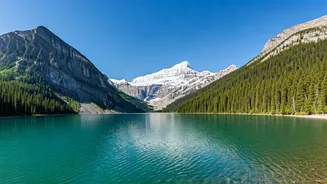
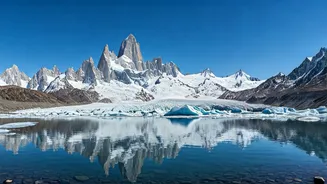
So, where is everyone going? Data shows a significant surge in interest towards northern latitudes and high-altitude regions. Scandinavia has seen a massive jump in tourism, with Norway, Sweden, and Finland becoming prime summer destinations. Bookings from southern Europe to Norway, for example, have surged dramatically. Other popular cool-cation spots include Iceland, Ireland, Scotland, and Canada. In the United States, destinations like Alaska, the Pacific Northwest, and Michigan's Upper Peninsula are gaining popularity for their milder summer climates. These locations offer not just cooler temperatures but also opportunities for outdoor activities without the risk of overheating.
The Hidden Costs of Chasing Cool
The rise of the cool-cation is not without its challenges. For the destinations experiencing this newfound popularity, it can be a double-edged sword. While the economic boom from increased tourism is welcome, it can also lead to the familiar problem of overtourism in places that were previously uncrowded. There is also an environmental irony at play. The travel required to escape the effects of climate change contributes to the very carbon emissions that are causing it. Global tourism is responsible for a significant percentage of the world's carbon emissions, and this trend of flying to cooler climates only adds to that footprint. As the trend grows, both travellers and destinations will have to grapple with how to manage this new reality sustainably.