



Lemongrass offers a magical, citrusy aroma without the tartness of lemon, making it a star in many Asian dishes. When paired with other citrus-scented herbs, it creates a symphony of bright, fresh flavors. Here’s how to master the infusion.
Understanding the Flavor Pairing
Lemongrass
itself is a tropical grass with a fragrant, lemony scent and taste. It’s a foundational flavor in Southeast Asian cooking. To amplify its best qualities, pair it with herbs that share a similar citrus profile. Herbs like lemon balm, lemon verbena, and lemon thyme are excellent choices. Lemon balm is a hardy perennial in the mint family with a delicate lemon flavor. Lemon verbena is one of the most fragrant, with an intense lemon aroma perfect for drinks and marinades. Lemon thyme offers a resinous, thyme-like flavor but with a distinct lemon kick. These herbs complement, rather than overpower, the unique floral notes of lemongrass.
The Art of Infusion: Oils and Syrups
Infusion is the process of steeping ingredients to extract their flavor. For a versatile citrus herb and lemongrass oil, gently heat a neutral oil like olive or canola in a saucepan. Before it simmers, turn off the heat. Add bruised lemongrass stalks and your chosen citrusy herbs. Let them steep for at least 10 minutes, or for a more intense flavor, transfer to a jar and refrigerate for up to three days. This oil is fantastic for salad dressings or drizzling over fish and chicken. Similarly, you can create a simple syrup for drinks or desserts by simmering water, sugar, chopped lemongrass, and herbs until the sugar dissolves. Let it steep as it cools, then strain.
Aromatic Broths and Soups
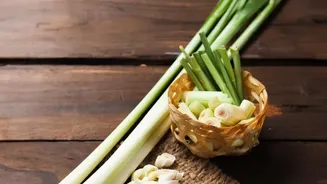
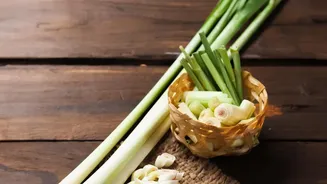
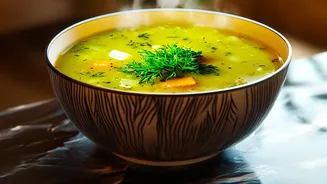
One of the most common uses for lemongrass is flavoring broths and soups. To get the most flavor, trim the tough outer layers of the lemongrass stalk, cut it into large pieces, and bruise them with the back of a knife or a mallet. This helps release the aromatic oils. Add the bruised lemongrass and whole sprigs of lemon thyme or lemon verbena to your stock pot. Let it simmer to infuse the liquid with a bright, citrusy essence perfect for Thai-inspired coconut soups or a simple chicken noodle soup. Remember to remove the stalks and herbs before serving, as they are fibrous and not meant to be eaten.
Zesty Marinades and Seasoning Blends
A citrusy herb and lemongrass marinade can elevate simple proteins like chicken, pork, fish, or tofu. In a blender or food processor, combine chopped lemongrass, garlic, a splash of white wine or lime juice, olive oil, and a generous handful of fresh lemon balm or cilantro. Blend until smooth. This creates a vibrant, fresh marinade that tenderizes and flavors the meat. You can also create a dry citrus herb seasoning. Combine coarse salt with finely grated lemon zest and dried herbs like rosemary, thyme, and oregano for a versatile blend you can use on everything from roasted vegetables to grilled fish.
Sweet Treats and Refreshing Teas
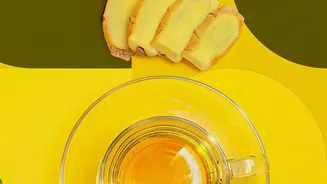
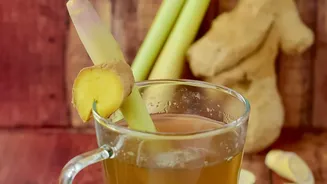
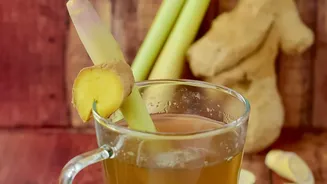
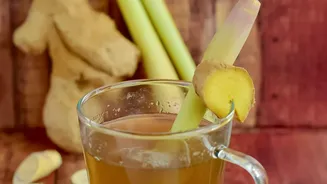
The pairing isn't just for savory dishes. The infused simple syrup mentioned earlier is incredibly versatile. Drizzle it over fresh fruit, vanilla ice cream, or use it to moisten a simple cake. You can also make a crème brûlée infused with lemongrass and lemon verbena for an elegant dessert. For a simple and refreshing drink, make a hot or iced tea. Just boil a few chopped lemongrass stalks with some fresh lemon balm leaves in water, letting it steep for about 10 minutes before straining. You can add a slice of ginger or a sprig of mint for extra complexity.