








Beyond the Big Billion Days
For decades, festival shopping in India was synonymous with a few major events like Diwali and Dhanteras, prompting massive annual sales from retailers. But a fundamental shift is underway, driven by young, digital-native consumers. The shopping calendar
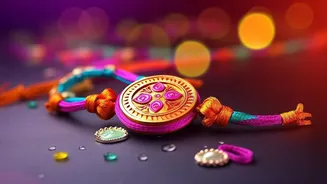
is no longer limited to the headline events. Smaller, regional festivals such as Onam in Kerala, Ugadi in Andhra Pradesh and Karnataka, and even Raksha Bandhan are becoming significant retail moments. Brands are recognizing that the festive sentiment—and the willingness to spend—is present throughout the year. They are moving away from a single, national blockbuster campaign toward a series of targeted, 'hyperlocal' promotions that tap into regional cultures and traditions.
The Instagram-Driven Wardrobe
A major catalyst for this trend is the immense influence of social media. For Gen Z, festivals are not just about family rituals but also about curating a digital identity. Platforms like Instagram and Snapchat have turned every cultural gathering into a content creation opportunity, complete with the perfect 'festival look' or #OOTD (Outfit of the Day). This visual-first approach to celebration creates a constant demand for new apparel, accessories, and beauty products. According to one report, a staggering 44% of purchase decisions among many social media users are influenced by these platforms. This pressure to post, combined with the fear of missing out (FOMO), means that repeating an outfit is often not an option, fueling a cycle of continuous consumption.
Redefining Tradition as Self-Expression
For many young Indians, the connection to festivals is evolving. While traditional rituals remain important, there is a growing emphasis on festivals as moments of self-expression, community connection, and personal enjoyment. In this context, shopping becomes a key part of participating in the culture. It's less about religious obligation and more about embracing a modern, festive lifestyle. This generation expertly blends the traditional with the contemporary, pairing kurtas with sneakers or incorporating ethnic jewelry into western outfits. They are open to trying new brands, especially those that align with their values, offer unique products, or are recommended by peers and influencers.
Brands are Seizing the 'Micro-Season'
Marketers have been quick to adapt to and accelerate this trend. They are creating 'micro-seasons' around previously untapped festivals, launching dedicated collections, and running targeted ad campaigns. E-commerce giants like Myntra and Amazon create specific sales events for festivals beyond Diwali, while fashion and lifestyle brands use influencer marketing to create buzz. Some brands are even creating their own content, like short web series that revolve around festive themes, to connect with a younger audience on an emotional level. This strategy allows them to build year-round engagement instead of concentrating all their efforts into a few crowded weeks.
From Products to Experiences
The spending isn't just limited to physical goods. A significant portion of the youth budget is now allocated to experiences, which they see as more valuable and shareable than possessions. This includes travel to attend music festivals or cultural events, dining out for special festive meals, or spending on unique activities. A survey found that over half of consumers are choosing to give experiences as gifts rather than products. This shift toward an 'experience economy' means that even non-retail sectors like travel, hospitality, and entertainment are benefiting from this year-round festive spirit, further blurring the lines between celebrating a tradition and consuming it.