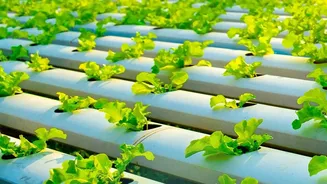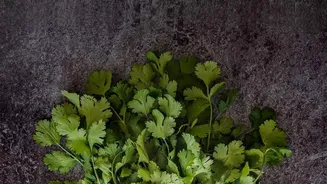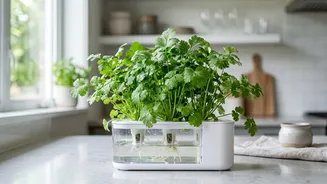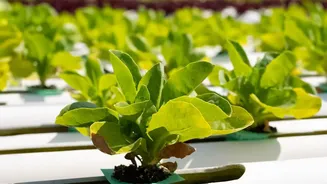




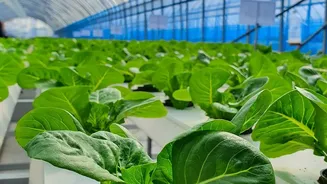
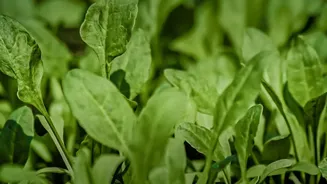

Imagine snipping fresh, aromatic coriander for your curries and chutneys, grown right in your kitchen. Hydroponics makes this a reality, and the secret to a thriving, endless supply lies in mastering the plant's liquid diet.
Why Grow Coriander Hydroponically?
Coriander, or dhaniya, is a staple
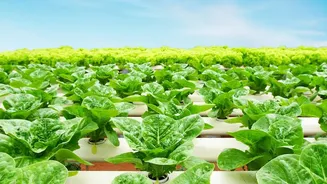
in Indian kitchens, but it can be tricky to grow in soil, often bolting (flowering prematurely) in warm weather. Hydroponics, the method of growing plants in nutrient-rich water instead of soil, offers a brilliant solution. It allows for faster growth, year-round harvests, and freedom from soil-borne pests and diseases. For urban homes with limited space, a compact hydroponic setup can provide a clean, consistent, and pesticide-free source of this essential herb.
The Core Concept: A Liquid Diet
In a traditional garden, soil acts as the reservoir for nutrients. In hydroponics, we replace soil with a nutrient solution. This liquid feed delivers all the essential minerals directly to the plant's roots. Getting this solution right is the single most important factor for success. A 'balanced' solution ensures the coriander plant gets exactly what it needs to produce lush, flavourful leaves without the stress that causes it to bolt.
Decoding the 'Balanced' Solution: pH and EC
Two key measurements determine the balance of your nutrient solution: pH and EC. The pH level measures acidity or alkalinity. For coriander, the ideal pH range is between 5.8 and 6.5. If the pH is too high or too low, the plant cannot absorb nutrients, even if they are present in the water. Electrical Conductivity (EC) measures the total amount of dissolved nutrient salts in the solution. Coriander is a relatively light feeder, preferring an EC between 1.2 and 1.8 mS/cm. Seedlings require a solution at the lower end of this range, which can be gradually increased as the plant matures.
Essential Nutrients for Leafy Growth
Like all plants, coriander needs a mix of macronutrients and micronutrients. The primary macronutrients are Nitrogen (N), Phosphorus (P), and Potassium (K). For a leafy herb like coriander, nitrogen is particularly crucial as it drives foliage growth. A general purpose hydroponic fertilizer with a higher nitrogen content, often sold as a two part 'A+B' solution, works well. These formulas also contain essential secondary nutrients like calcium and magnesium, and micronutrients like iron and manganese, which prevent common issues like leaf yellowing or stunted growth.
A Practical Guide for Home Growers
For beginners, starting with a pre mixed, two part hydroponic nutrient solution is the easiest way to ensure a balanced feed. You will also need a simple digital pH meter and an EC (or TDS) meter to monitor your reservoir. Indian tap water is often alkaline, so a 'pH Down' solution is usually necessary to keep the nutrient mix in the optimal range. Check and adjust the pH and EC levels every few days, especially in warmer weather when water evaporates and concentrates the nutrients. It's also good practice to completely change the nutrient solution in your reservoir every two weeks to prevent salt buildup and maintain balance.
Troubleshooting Common Nutrient Issues
The appearance of your coriander leaves can tell you a lot about its health. If older, lower leaves start to turn yellow, it often signals a nitrogen deficiency. Yellowing between the veins on newer leaves could point to an iron deficiency, often caused by a pH level that is too high. Stunted growth with a dark green or purplish tint can indicate a lack of phosphorus. Regularly monitoring your pH and EC levels can prevent most of these issues before they start, ensuring your plants remain healthy and productive.