








Why Monsoon Air Turns Stale
The magic of the monsoon—cool breezes and the smell of rain—comes with a hidden downside for our homes. High humidity is the main culprit. When moisture levels in the air rise, it creates a perfect breeding ground for mould, mildew, bacteria, and dust
mites. These allergens thrive in damp conditions. To keep the rain out, we shut our windows and doors, but this drastically reduces ventilation. As a result, indoor pollutants from cooking, cleaning products, and even furniture get trapped, accumulating in the air we breathe and making it feel heavy and unhealthy.
Go Beyond Dusting: Clean with Purpose
Smarter cleaning isn't about cleaning more; it's about cleaning with intent. A simple dry-dusting often just sends particles airborne, only for them to settle elsewhere. The smarter monsoon method is damp-dusting. Using a damp microfibre cloth traps dust and allergens instead of spreading them. Pay attention to often-neglected surfaces like the tops of cupboards, ceiling fan blades, and window grills where dust accumulates. Similarly, mopping floors with a disinfectant should be a regular practice, but ensure the floor is dried completely afterwards to prevent adding more moisture to the air.
Tackle Textiles: The Moisture Magnets
Carpets, curtains, and upholstered furniture are like sponges for moisture and allergens during the monsoon. They can become hotspots for dust mites and fungal growth. If possible, consider rolling up heavy carpets for the season. For what remains, regular and thorough vacuuming is non-negotiable. Using a vacuum cleaner with a HEPA filter is particularly effective as it can trap tiny particles like pollen and dust mite faeces. Wash curtains and bed linens frequently in warm water to kill any lurking allergens, and whenever you get a break in the rain, let direct sunlight fall on cushions, mattresses, and rugs, as sunlight is a natural disinfectant.
Prevent and Conquer Dampness and Mould
The musty smell that signals the arrival of mould is a classic monsoon problem. Prevention is your best strategy. Ensure good air circulation by keeping internal doors open and using fans to move air around, even in unoccupied rooms. Keep furniture a few inches away from walls to prevent moisture from getting trapped behind them. Place moisture absorbers like silica gel packs or bowls of activated charcoal in wardrobes and cupboards. If you spot any mould, which often appears as black, green, or white fuzzy patches, clean it immediately with a solution of white vinegar and water to stop it from spreading.
Rethink Your Cleaning Arsenal
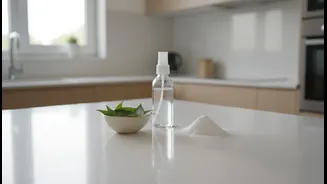
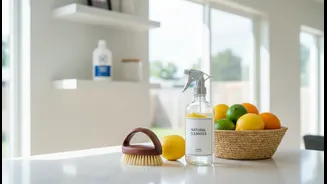
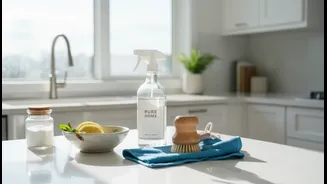
Many commercial cleaning products, air fresheners, and insect repellents contain Volatile Organic Compounds (VOCs). These chemicals easily become gases at room temperature and contribute significantly to indoor air pollution, causing everything from headaches to respiratory irritation. High humidity can even cause furnishings and paint to release more VOCs. Switch to natural or low-VOC alternatives. Simple ingredients like vinegar, baking soda, and lemon juice can be used to make effective, non-toxic cleaners for most surfaces. To combat odours, instead of spraying an air freshener, try leaving out a bowl of baking soda to absorb the smell.
Ventilate When You Can
While you need to keep windows shut during a downpour, strategic ventilation is still crucial. Take advantage of any dry spells, even if they're brief, to open windows on opposite sides of the house. This creates a cross-breeze that can effectively flush out stale, polluted indoor air and replace it with fresh air. Running exhaust fans in the kitchen while cooking and in the bathroom after a shower is another essential habit to get into, as it helps expel moisture and pollutants directly at the source before they can circulate through your home.