






Why Your Diet Matters During Treatment
Antibiotics are powerful medicines designed to kill harmful bacteria causing an infection. The problem is, they are often not very selective. In clearing out the bad guys, they can also wipe out many of the beneficial bacteria that live in your gut. This
community of microorganisms, known as your gut microbiome, is crucial for digestion, immune function, and overall health. An imbalance, known as dysbiosis, can lead to common side effects like diarrhea and stomach upset. Your diet plays a significant role in mitigating this disruption and helping your gut's beneficial bacteria recover.
The Newest Finding: Rethink That Sugary Treat
Very recent research, published in late September 2026, has added a surprising new wrinkle: sugar. A major study found that consuming sugary foods and drinks while on antibiotics may worsen the damage to the gut microbiome. In hospitalized patients taking antibiotics, higher sugar intake was linked to a significant drop in microbial diversity, creating an environment where more aggressive microbes, like Enterococcus faecium, could thrive. This bacterium is associated with hard-to-treat infections. While researchers say it's premature to make a blanket recommendation for everyone to avoid sugar while on antibiotics, they note that limiting it is a simple, low-risk strategy you can try. This is especially relevant for sugary items often given to sick people, like nutritional shakes and smoothies, which were implicated in the study.
Foods to Prioritise: Probiotics and Prebiotics
To help your gut, focus on two key types of foods: probiotics and prebiotics. Probiotics are live, beneficial bacteria found in fermented foods. Think of traditional dahi (yogurt), kefir, kimchi, and kombucha. These foods can help replenish the good bacteria in your gut. Prebiotics are a type of fiber that your good gut bacteria eat. They act as food for the microbes, helping them grow and thrive. Excellent sources of prebiotics include garlic, onions, bananas, oats, and leafy greens. Together, they form a powerful combination to support your microbiome.
What to Avoid or Time Carefully
Some foods can actively interfere with how your body absorbs certain antibiotics, making them less effective. The most well-known culprits are dairy products and calcium-fortified foods (like some orange juices or non-dairy milks). The calcium can bind to the antibiotic in your stomach, preventing its absorption. This doesn't mean you must avoid dairy entirely, but timing is key. A common recommendation is to wait at least two to three hours after taking your pill before consuming these items. Highly acidic foods and drinks, like grapefruit juice, citrus fruits, and sodas, may also interfere with the absorption of some antibiotics.
The Probiotic Supplement Debate
Many people wonder if they should take a probiotic supplement. The evidence here is mixed and evolving. Some studies show that probiotics can help reduce the risk of antibiotic-associated diarrhea. However, other experts argue that the evidence for their ability to restore the microbiome's overall composition is still weak. There isn't a strong scientific consensus on which specific probiotic strains are best for which antibiotics. While many people take them without issue, it's not yet a firm recommendation for everyone. Getting probiotics from fermented foods is a great starting point, and you should discuss supplements with your doctor.
After the Antibiotics: Rebuilding Your Gut
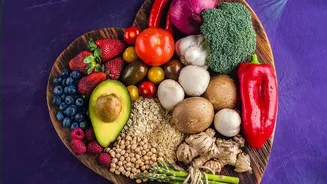
Once you've finished your course of medication, your dietary work isn't over. This is the prime time to focus on rebuilding a diverse and resilient microbiome. Continue eating probiotic-rich fermented foods. This is also when you should really emphasize high-fiber foods. While fiber can sometimes slow absorption during treatment, it's essential for recovery afterwards, as it provides the fuel your beneficial bacteria need to repopulate your gut. Aim for a wide variety of whole foods, including fruits, vegetables, whole grains, nuts, and legumes, to nourish a diverse range of gut microbes.