





Decoding the Hidden Lotus Pose
The pose Shilpa Shetty demonstrated is known as Gupta Padmasana (Hidden Lotus Pose) or sometimes Baddha Padmasana (Bound Lotus Pose), depending on the specific variation. It’s an advanced seated posture that builds upon the foundational Padmasana (Lotus
Pose). In its full expression, the practitioner sits in Lotus, then reaches both arms behind their back to grasp the opposite toes, creating a 'bound' or 'locked' shape. A further variation involves folding forward from this bound position. The name 'Hidden Lotus' often refers to a variation where the body folds forward over the legs, concealing the lotus formation. This asana is not just a physical feat; it is a deep meditative posture designed to promote stability, open the chest, and encourage focus.
Inspiration Backed by Years of Practice
When a celebrity like Shilpa Shetty effortlessly executes such a complex pose, it's easy to feel a surge of motivation. However, her ability is a testament to years of consistent and dedicated practice. Shetty's yoga journey began as a way to manage physical ailments, including spondylosis. Over time, it evolved into a cornerstone of her holistic lifestyle, something she has championed as a journey of self-discovery and a way to maintain mental and physical balance. Her advanced practice is built on a strong foundation and serves as a powerful reminder that such postures are milestones in a long-term wellness journey, not casual goals to be achieved overnight.
The Risks of Rushing: Why Caution Is Key
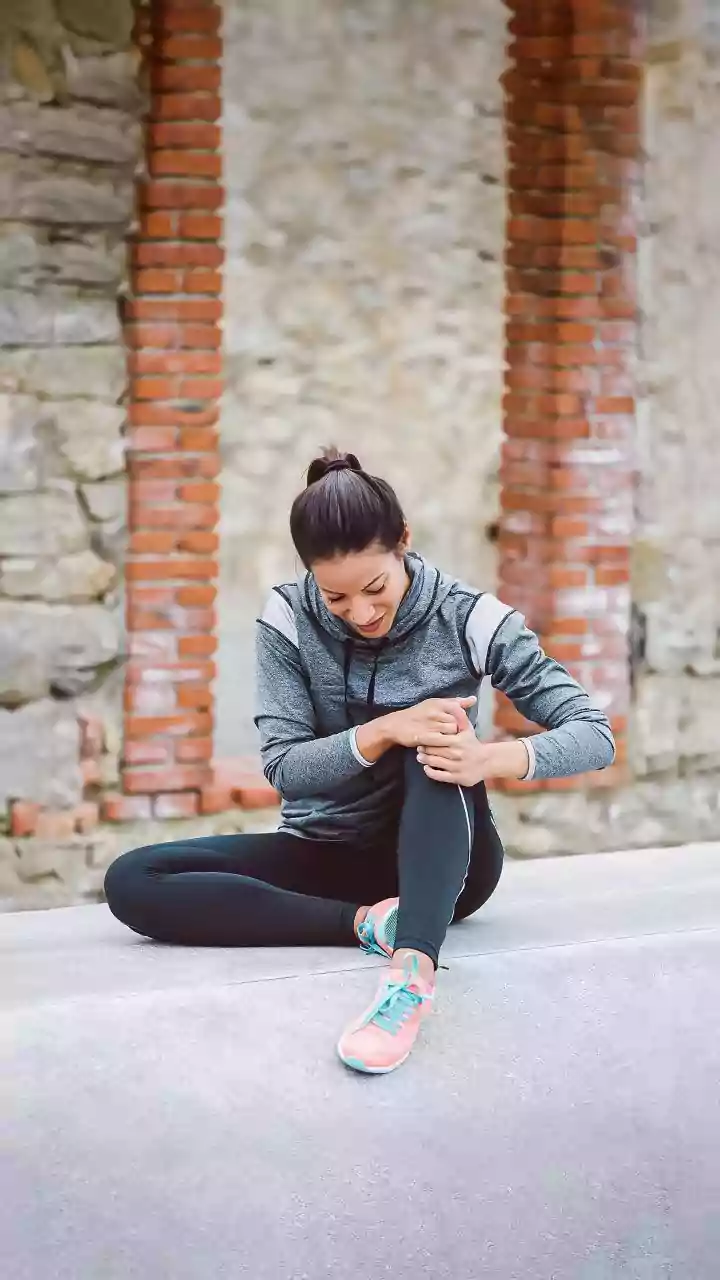
The Hidden Lotus Pose demands an immense degree of flexibility in the hips, knees, ankles, and shoulders. Attempting it without adequate preparation can lead to serious injury. The knee joint, in particular, is vulnerable. Anatomically, the knee is a hinge joint, not designed for the deep external rotation required for Lotus Pose. That rotation must come from the hip socket. If the hips are tight, the pressure transfers to the knee and ankle ligaments, risking sprains or tears. Similarly, the deep shoulder bind can cause strain if the shoulder girdle isn't sufficiently open. Sharp pain is a clear signal from the body to stop immediately.
The Path to Padmasana: Building a Safe Foundation
Instead of jumping straight to the final pose, a safe yoga practice involves patiently preparing the body with foundational poses. To build the necessary mobility for Baddha Padmasana, focus on asanas that open the hips and shoulders gradually. Start with poses like Baddha Konasana (Bound Angle Pose) to work on hip-opening and Sukhasana (Easy Pose) to get comfortable in a seated cross-legged position. Progress to Ardha Padmasana (Half Lotus Pose), where only one foot is placed on the opposite thigh. This allows you to work on the hip rotation of each leg individually without overloading the joints. For shoulder mobility, practice Gomukhasana (Cow Face Pose) arms, where you reach one arm up and the other down behind your back, aiming to clasp the fingers. These preparatory steps are not shortcuts, but the essential groundwork for a safe and sustainable practice.
The Real Goal: Progress, Not Perfection
It is important to remember that the goal of yoga is not to achieve a picture-perfect pose, but to cultivate body awareness and inner balance. Figures like Shilpa Shetty provide inspiration, but the true practice lies in listening to your own body and respecting its limits. Celebrate small progressions, such as increased comfort in Half Lotus or greater ease in a shoulder stretch. The journey towards an advanced posture like the Hidden Lotus is a personal one, built on patience, consistency, and a non-harming (ahimsa) approach. The ultimate aim is improved well-being, and forcing your body into a pose it isn't ready for works against that very principle.