






Monsoon Arrives on Schedule
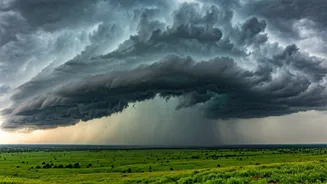
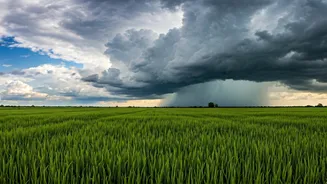
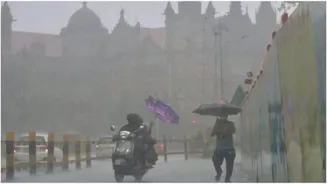
After covering Kerala and parts of the northeast, the southwest monsoon has advanced into key regions of western and eastern India. The northern limit of the monsoon now passes through several areas of Maharashtra, including Mumbai, bringing the city
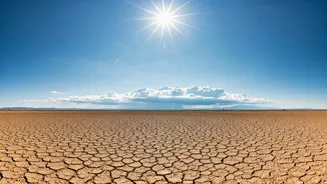
its first significant seasonal showers. Simultaneously, it has swept into more parts of Odisha, heralding the start of the crucial four-month rainy season. This arrival is a critical event, replenishing water reservoirs and setting the stage for the Kharif sowing season, which is vital for the country's agriculture-dependent economy. For millions, it marks an end to the scorching summer heatwaves that have gripped the nation.
Which Areas Are Under Alert?
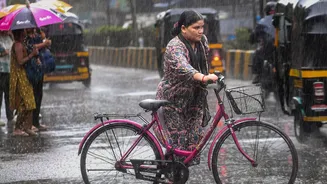
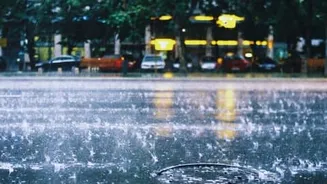
The IMD's 'big rain alert' is not a blanket warning but a targeted forecast for specific regions expected to face the most intense weather. In Maharashtra, an 'orange' alert has been issued for Mumbai, Thane, and Palghar, indicating the likelihood of heavy to very heavy rainfall. Coastal districts like Ratnagiri and Sindhudurg are also on high alert. The weather office has warned of potential waterlogging in low-lying urban areas and disruption to traffic. In Odisha, several southern and coastal districts are under a similar alert. The IMD has advised fishermen in both states not to venture into the sea due to rough conditions and high wind speeds accompanying the monsoon's advance. Residents in these specific zones are urged to stay updated with local advisories.
Decoding the IMD's Colour Codes
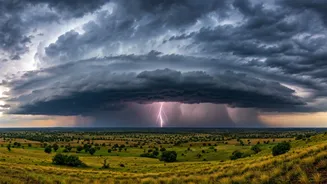
Understanding the IMD’s colour-coded warnings is key to staying safe. These alerts are not just about rain; they are about preparedness. * Green Alert: 'No warning.' All is clear, and no advisory is needed. * Yellow Alert: 'Be updated.' This indicates the possibility of severe weather that could change, prompting you to keep an eye on the forecast. It’s a watch-out signal. * Orange Alert: 'Be prepared.' This is a more serious warning. It implies a high likelihood of bad weather that can disrupt transport, power supply, and daily life. Authorities are expected to be in a state of readiness. * Red Alert: 'Take action.' This is the highest level of warning, issued when extremely bad weather is expected, posing a threat to life and property. A red alert necessitates action from citizens and disaster management agencies to protect themselves.
Essential Safety and Preparedness Tips
With heavy rain forecast, taking a few precautions can make a significant difference. First, avoid waterlogged streets to prevent vehicle breakdowns and stay safe from open manholes or electrical wires submerged in water. If you must travel, check for traffic diversions and allow for extra time. At home, ensure your drains are clear to prevent backflow and check for any leaks in your roof or walls. It's also wise to prepare a basic emergency kit containing a torch, first-aid supplies, dry food, and drinking water. Finally, charge your electronic devices and power banks in case of power outages. The most important tip is to follow official instructions from the IMD and local civic bodies like the BMC in Mumbai.
The Broader Monsoon Outlook for 2024
This year's monsoon is particularly significant. The IMD has forecast an 'above-normal' monsoon for 2024, predicting rainfall to be around 106% of the long-period average. This positive forecast is linked to the development of La Niña conditions in the Pacific Ocean, which typically correlate with a stronger monsoon in India. While this is welcome news for agriculture and for replenishing the country's water reservoirs after a harsh summer, it also increases the risk of flooding and other rain-related incidents. The heavy rainfall alerts for Maharashtra and Odisha are the first test of preparedness for what could be an intense and wet season ahead.