



What We Mean By ‘Traditional’
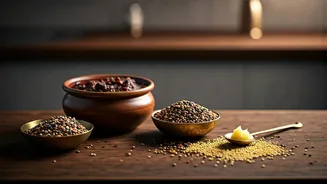
This isn't about a single, rigid diet. Instead, 'traditional nutrition' is a set of principles that guided how people ate for centuries before the rise of industrial food production. It’s about eating whole foods—foods that are as close to their natural
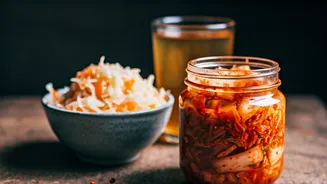
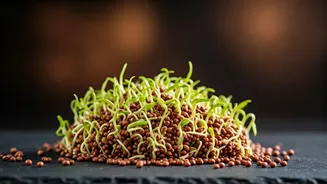
state as possible. Think fresh vegetables from a local market, not canned ones with a long list of additives. It champions seasonal and local eating, aligning our diets with the natural rhythms of our environment. It also values time-honoured preparation techniques like fermenting (think dahi, pickles), sprouting, and slow-cooking, which not only preserve food but often enhance its nutritional value and digestibility.
A Reaction to the Ultra-Processed Age
So, why the sudden return to these old ways? A large part of the answer lies in a growing fatigue with the modern diet. For decades, we were told that convenience was king. Supermarket aisles filled up with brightly packaged, ultra-processed foods that promised to save us time. But that convenience came at a cost. A rising tide of lifestyle diseases, from diabetes to heart conditions, has been linked to diets high in refined sugars, unhealthy fats, and chemical additives. People are becoming more aware and more sceptical of food labels they can’t decipher. This trend is a conscious rejection of the industrial food system in favour of something more authentic, transparent, and nourishing.
Vindication for Ghee and Millets
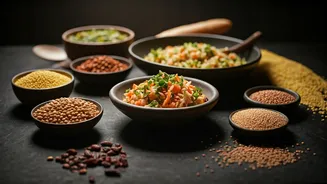
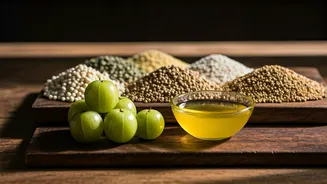
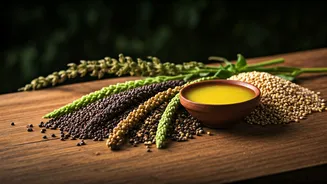
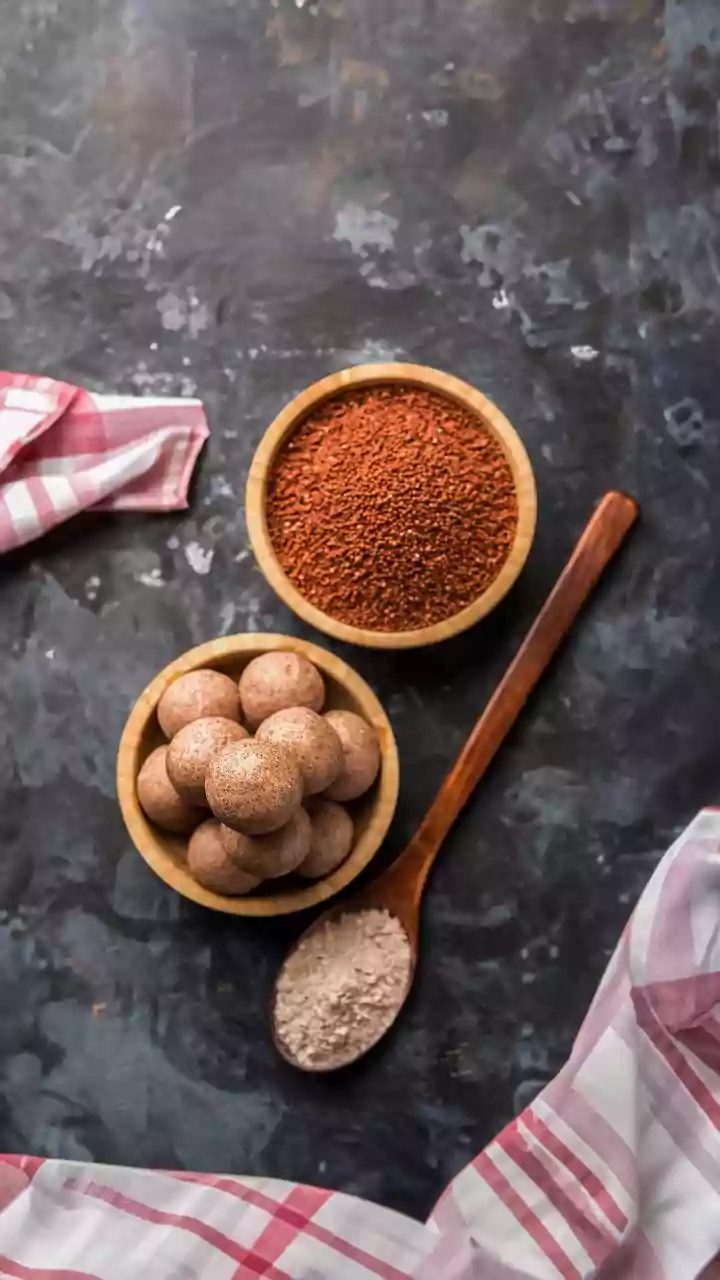
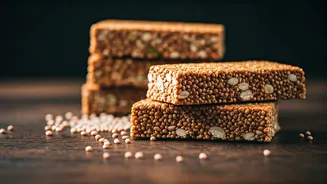
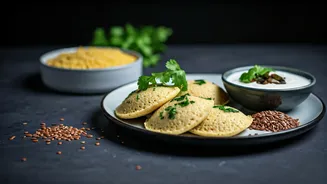
For many in India, this trend feels like a homecoming. Foods that were once staples, but were later dismissed as old-fashioned or unhealthy, are now being celebrated again. Take ghee, for instance. For years, it was villainized in favour of refined vegetable oils. Today, science is catching up to what our ancestors always knew: pure ghee is a source of healthy fats, vitamins, and has a high smoke point, making it excellent for Indian cooking. Similarly, millets like jowar, bajra, and ragi, once considered 'poor man's grain', are now being hailed as gluten-free, high-fibre superfoods. These ancient grains are not only packed with nutrients but are also climate-resilient crops, making them a smart choice for both our bodies and the planet.
The Science Behind Grandma's Wisdom
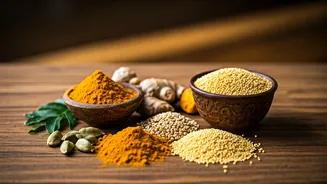
What makes this trend so powerful is that modern science is increasingly validating these ancient practices. The emphasis on fermented foods in traditional diets is now understood to be crucial for maintaining a healthy gut microbiome, which affects everything from our digestion and immunity to our mental health. The traditional Indian practice of using a wide array of spices like turmeric, ginger, and cinnamon is now backed by studies highlighting their potent anti-inflammatory and antioxidant properties. We're learning that a traditional thali—with its balanced mix of carbs, proteins, fats, fibre, and a rainbow of vegetables—is a masterclass in nutritional synergy.
How to Get Started
Embracing traditional nutrition doesn't require a radical overhaul of your life. It’s about making small, mindful changes. Start by trying to cook one meal a day from scratch using whole ingredients. Swap a packaged snack for a piece of fruit or a handful of nuts. Re-introduce a traditional grain like millet into your weekly routine. Ask an older relative for a family recipe and learn to make it. The goal isn't perfection, but a gradual shift towards food that is more connected to nature, culture, and our own well-being.