



Our Sun’s Rhythmic Cycle
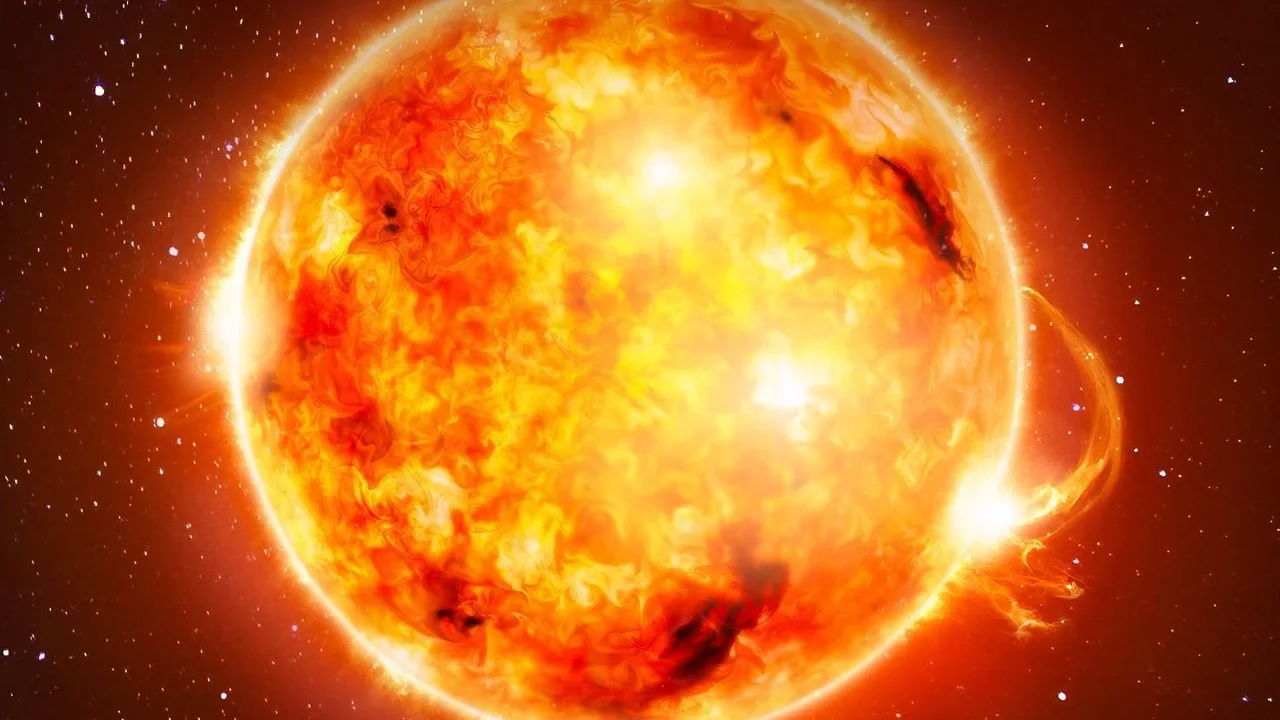
Just like seasons on Earth, the Sun goes through its own regular pattern of activity. This is known as the solar cycle, which lasts approximately 11 years. This cycle is marked by a swing between two extremes: solar minimum and solar maximum. During solar minimum,
the Sun is quiet, with very few sunspots and less solar activity. Conversely, the solar maximum is the peak of this cycle, a period of intense activity when the Sun's surface is bustling with sunspots and eruptions. Scientists have been tracking these cycles for centuries, and the current one, Solar Cycle 25, reached its peak in late 2024 and is expected to continue its active phase into 2026 before slowly declining.
What Are Sunspots?
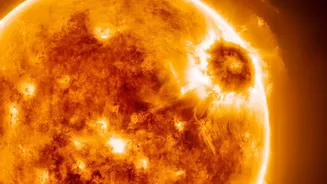
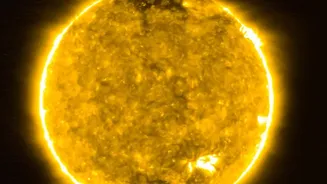
Sunspots are the most visible sign of the Sun's increased activity. They appear as dark patches on the Sun’s surface, but they aren't empty spots; they are actually cooler than their surroundings. These areas are created by intense, tangled magnetic fields that poke through the Sun's surface. These powerful magnetic disturbances inhibit the flow of heat from the Sun's interior, making the area cooler and appear darker. During a solar maximum, the number of these planet-sized magnetic regions dramatically increases, indicating that the Sun's internal magnetic engine is in high gear.
From Sunspots to Solar Storms
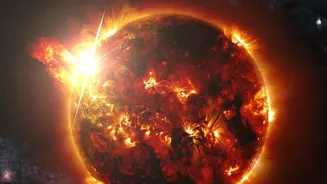
Sunspots themselves don't directly cause solar storms, but they are the breeding grounds for them. The complex and powerful magnetic fields in and around sunspot groups often become tangled, stretched, and twisted. When these magnetic field lines suddenly snap and realign, they can release a tremendous amount of energy in an instant. This can result in two major types of solar eruptions: solar flares and coronal mass ejections (CMEs). A solar flare is a brilliant flash of radiation, while a CME is a massive bubble of plasma and magnetic fields that gets hurled out into space at incredible speeds. When these eruptions are directed towards Earth, they are called solar storms.
The Science Behind the Auroras
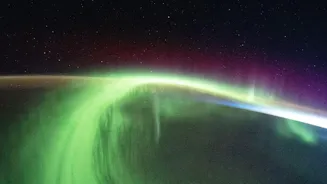
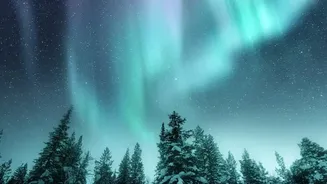
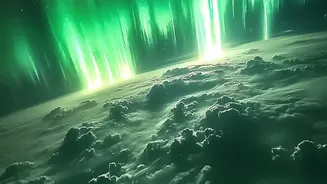
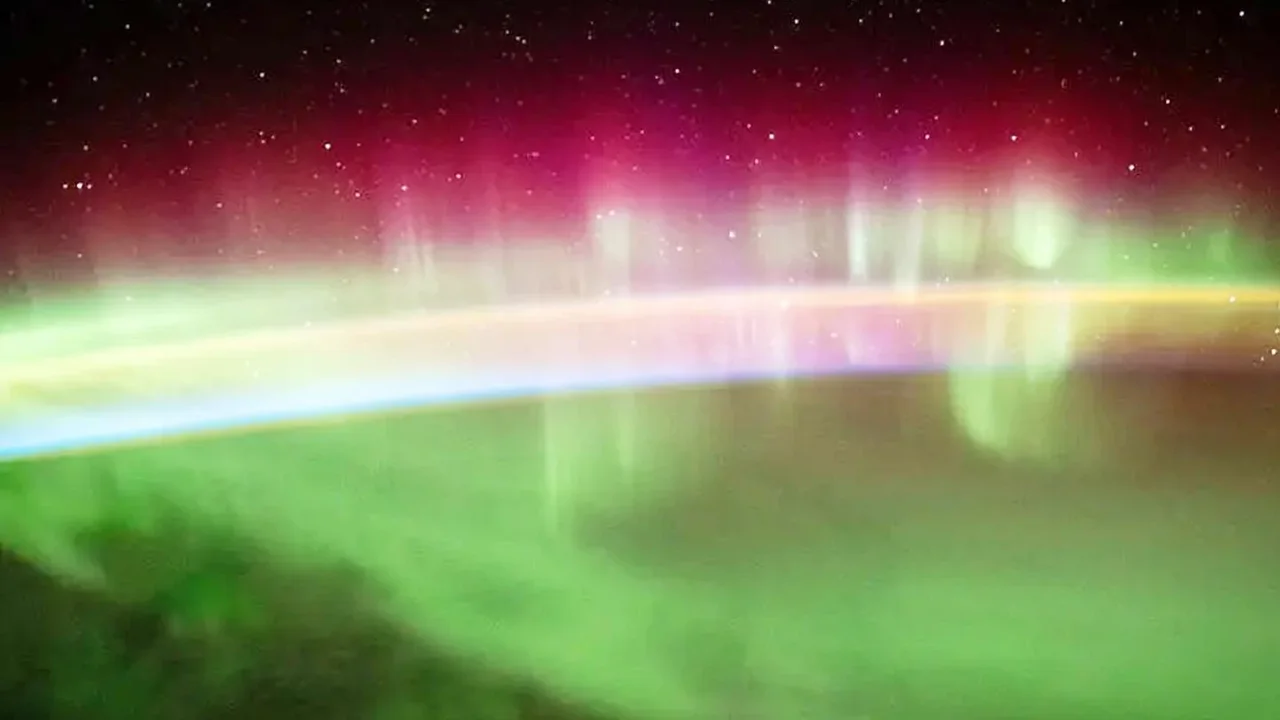
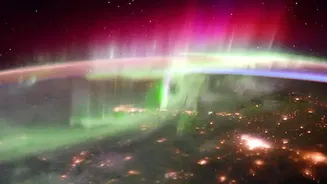
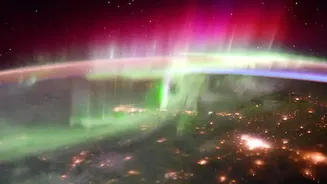
When a CME or a stream of charged particles from a solar flare reaches Earth, it collides with our planet's magnetic field, or magnetosphere. This protective magnetic bubble shields us from the worst of the solar storm. However, some of these highly energetic particles are funnelled down the magnetic field lines towards the North and South Poles. As these solar particles slam into atoms and molecules of oxygen and nitrogen in Earth's upper atmosphere, they transfer their energy, causing the atmospheric gases to glow. This beautiful, dancing display of light is what we know as the aurora borealis (Northern Lights) and aurora australis (Southern Lights). More frequent and intense solar storms during the solar maximum mean more particles hitting our atmosphere, leading to more frequent, vibrant, and widespread auroral displays.
Impacts Beyond the Lights
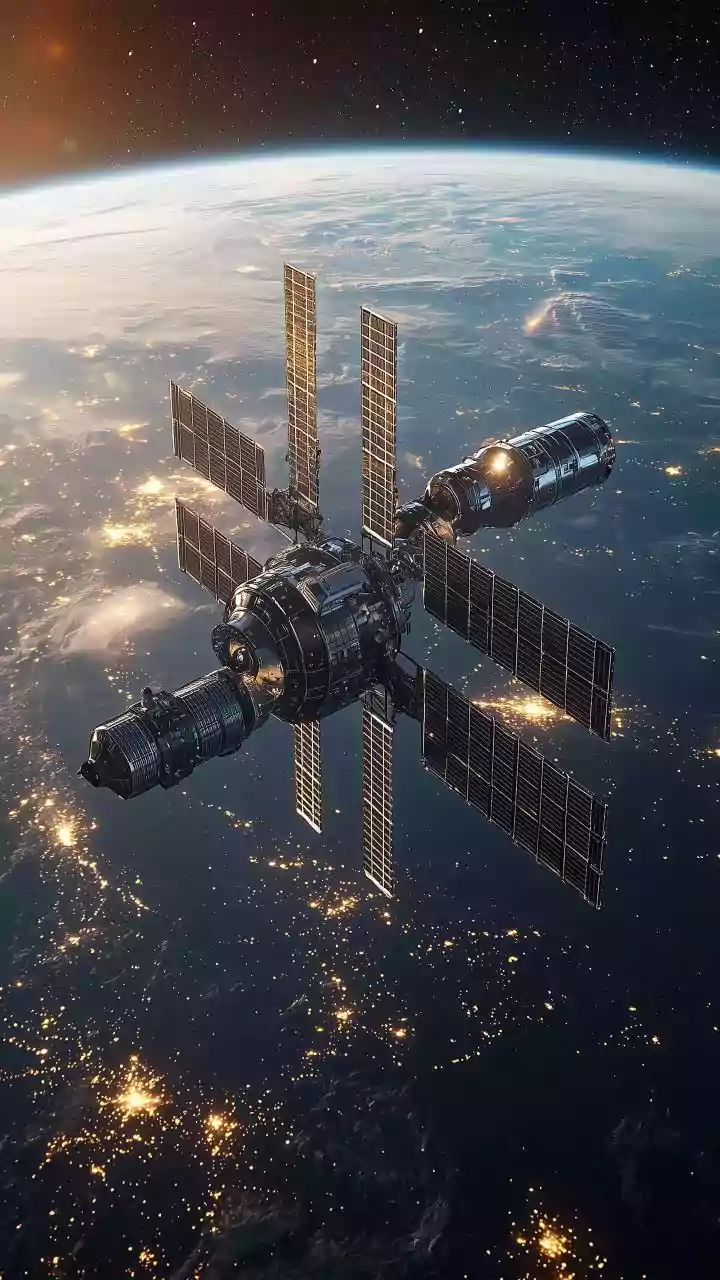
While auroras are the most beautiful consequence of solar storms, these events can have other, more disruptive effects. The intense radiation and charged particles can pose a risk to astronauts and can damage the sensitive electronics on satellites. This can interfere with GPS signals, satellite television, and other communication systems we rely on daily. The surge of energy can also induce currents in power grids on the ground, potentially causing blackouts. Furthermore, solar storms can cause radio blackouts by disrupting Earth's ionosphere, affecting aviation and military communications, especially in polar regions. For these reasons, space weather prediction centres around the world closely monitor the Sun's activity to provide warnings and help mitigate potential damage.