





A Low-Volume, High-Value Approach
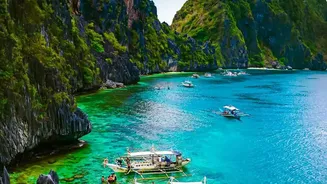
The cornerstone of Lakshadweep’s conservation strategy is a simple but effective policy: limiting the number of visitors. Unlike many tourist destinations battling over-tourism, Lakshadweep requires every non-resident to obtain a mandatory entry permit.
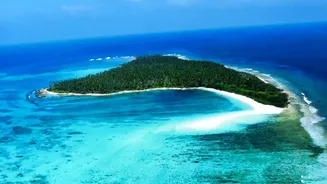
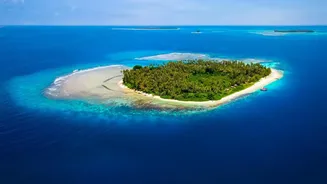
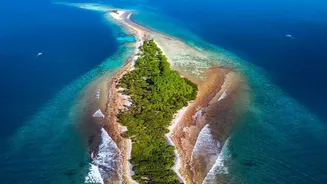
This system, managed by the administration, ensures that the islands' delicate infrastructure and sensitive ecosystems are not overwhelmed. By controlling the inflow of tourists to a handful of designated islands like Agatti, Bangaram, and Kadmat, authorities can manage the human footprint effectively. This “low-volume, high-value” model is the first and most critical line of defence, ensuring that the archipelago remains pristine for both its residents and the select few who visit.
Rules for a Lighter Footprint
Once on the islands, visitors are bound by a series of eco-conscious rules designed to minimise environmental impact. A complete ban on single-use plastics is strictly enforced to combat marine pollution, which is a major threat to sea turtles and other marine creatures. Visitors are encouraged to carry reusable bottles and eco-friendly items. There are also strict prohibitions against touching, collecting, or breaking off pieces of coral, even if they are found on the beach. These regulations extend to recreational activities as well. Water sports such as scuba diving and snorkelling are closely monitored, with certified guides ensuring that participants maintain a safe distance from marine life and do not damage the delicate coral gardens. These on-the-ground rules collectively encourage a culture of respect for the natural environment.
Connecting Rules to Reef Health
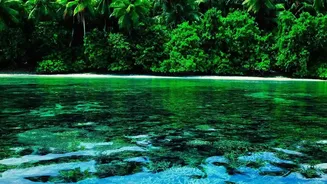
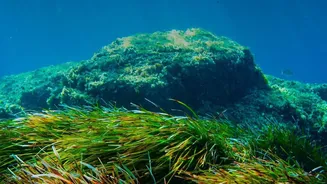
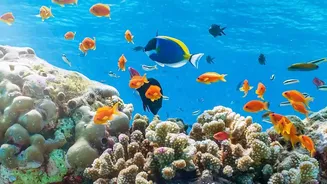
The impact of these sustainable travel rules is most visible beneath the waves. By restricting tourist numbers, Lakshadweep prevents the widespread anchor damage and diver-related breakage that has degraded reefs elsewhere. The ban on plastics directly reduces the amount of lethal debris entering the lagoons and open sea, protecting filter feeders like the majestic whale shark. Designated dive sites allow certain areas of the reef to recover and thrive without human interference. Furthermore, eco-friendly resorts on islands like Bangaram and Kadmat are increasingly adopting practices like solar power and rainwater harvesting, reducing the overall carbon footprint of tourism operations. Every regulation is a deliberate thread in a larger safety net woven to protect the archipelago's most valuable asset: its world-class marine biodiversity.
A Community-Led Effort
Enforcing these rules is a collaborative effort. The Society for Promotion of Nature Tourism and Sports (SPORTS), a body under the Lakshadweep Administration, plays a pivotal role in managing tourism and ensuring that all activities are eco-friendly. Local communities, whose lives and livelihoods are deeply connected to the sea, are natural stewards of the environment. They are actively involved in conservation awareness programs, from educating tourists to participating in initiatives like whale shark rescue operations. This community involvement creates a powerful sense of shared responsibility. Tourism revenue, when managed sustainably, is reinvested into local infrastructure and conservation projects, creating a virtuous cycle where protecting the environment also supports the local economy.