



Become a Light Detective
Before buying a single plant, the most crucial step is to understand your balcony's light. Don't just guess; observe. Spend a day noting how the sun moves across your space. Which corner gets the bright, direct morning sun? Where does the harsh afternoon
light fall? Is there an area that remains in the shade all day, perhaps blocked by a neighbouring building? This will help you create a 'light map' of your balcony, identifying zones for full sun (6+ hours of direct light), partial shade (3-5 hours of morning sun), and full shade (bright, but indirect light). This map is your blueprint for a successful garden.
For the Sun-Soaked Spots
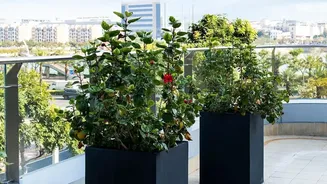
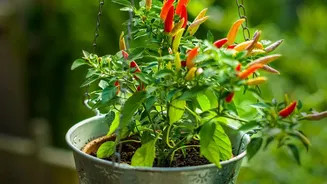
Areas that receive over six hours of direct sunlight are perfect for sun-loving plants that produce vibrant blooms and fruits. For Indian balconies, this is where flowering plants like Bougainvillea, Hibiscus, Petunias, and Marigolds ('Genda Phool') will flourish. These plants convert strong sunlight into a riot of colour. If you're interested in edibles, sun-drenched spots are ideal for tomatoes, chillies, and herbs like Tulsi (Holy Basil) and Lemongrass. These plants are generally hardy and, once established, can handle the heat with consistent watering.
Embrace the Shady Corners
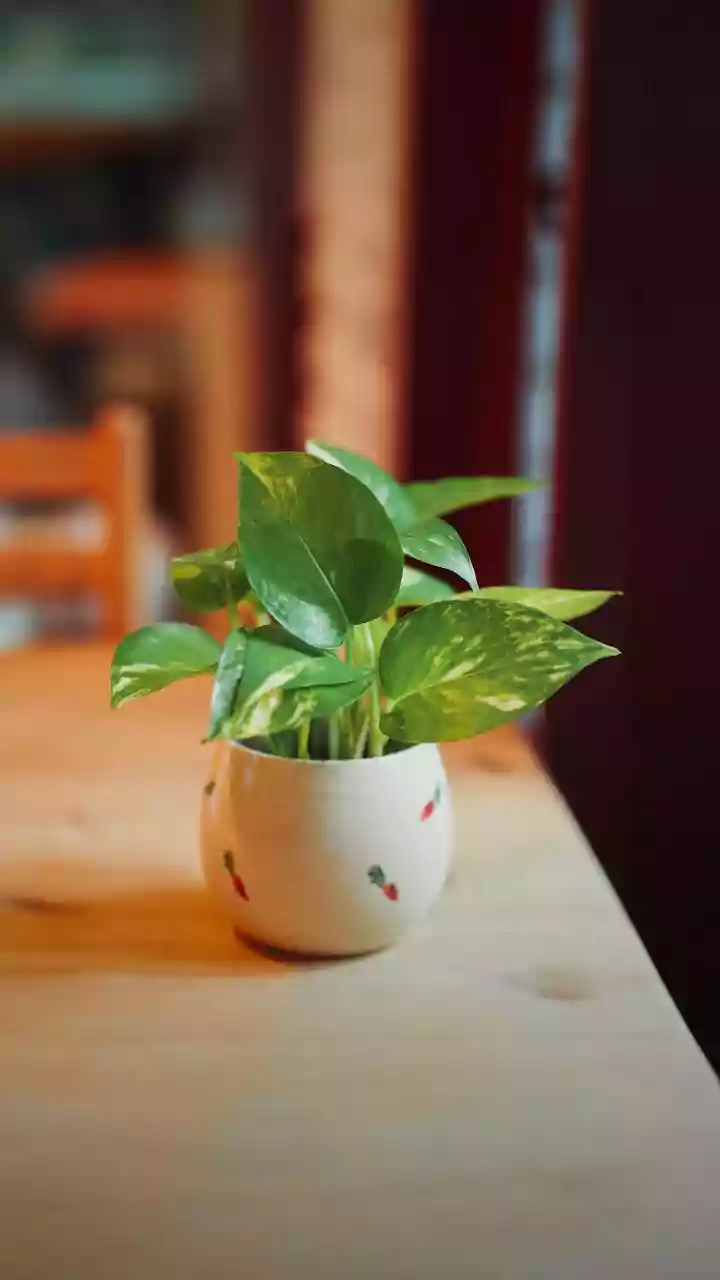
Don't see shady areas as a limitation; see them as an opportunity for lush, green foliage. Many beautiful plants prefer indirect light and will get scorched in the full sun. Ferns, with their delicate fronds, are perfect for adding a soft, woodland feel. The resilient Snake Plant, with its modern, upright leaves, is nearly indestructible and thrives in low light. Other excellent choices for shadier nooks include the elegant Peace Lily, colourful Caladiums, and adaptable Money Plants that can be trained to climb or trail beautifully. These plants will bring life and texture to the less-bright parts of your balcony.
Maximise Space by Going Vertical
When floor space is limited, the only way to go is up. Vertical gardening is a game-changer for small balconies. You can use tiered or stacking planters, wall-mounted shelves, or fabric pockets to create a living wall. A simple trellis against a wall can support climbing plants like English Ivy or flowering vines, adding a layer of green without taking up any floor area. This strategy not only allows you to fit more plants into a small footprint but also creates a stunning visual backdrop.
Use Every Available Surface
Think of your balcony in three dimensions: floor, walls, and ceiling. Use railing planters to line the edges of your balcony with colourful flowers like Petunias or herbs like mint. This frees up the floor for larger pots. From the ceiling or overhead beams, use hanging baskets for trailing plants like Money Plants, Spider Plants, or certain varieties of ferns and ivy. This creates a lush, layered look, drawing the eye upwards and making the space feel fuller and more immersive. By using every level, you can create a dense garden feel even in a compact area.
Group Plants for Smarter Care
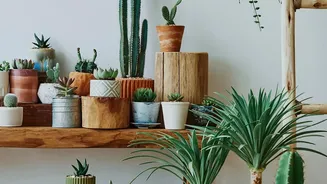
Organising your plants isn't just about aesthetics; it's about efficiency. Group plants with similar needs together. Place all your sun-lovers in the sunniest zone and your shade-tolerant plants in the darker corners. This ensures every plant gets the light it needs to thrive. Furthermore, grouping plants with similar watering requirements makes your routine much simpler. Your succulents and drought-tolerant herbs can be in one section, while your moisture-loving ferns are in another. This prevents accidental over or under-watering and keeps all your plants healthier in the long run.