


An Atmosphere You Can Taste
There's a multi-sensory shift when the monsoon arrives in Delhi. The oppressive summer heat breaks, replaced by cool breezes and the earthy scent of petrichor. This change in atmosphere does more than just lower the temperature; it triggers a deep-seated
cultural and even psychological response. The grey skies and the rhythmic sound of rainfall create an intimacy, pulling people indoors and together. In this setting, food transforms from simple sustenance into a shared ritual, a warm, comforting anchor against the damp and gloom. It is this very atmosphere that sets the stage for the culinary traditions that define a Delhi monsoon, making familiar tastes feel new and essential.
The Irresistible Call of the Crunchy and Fried
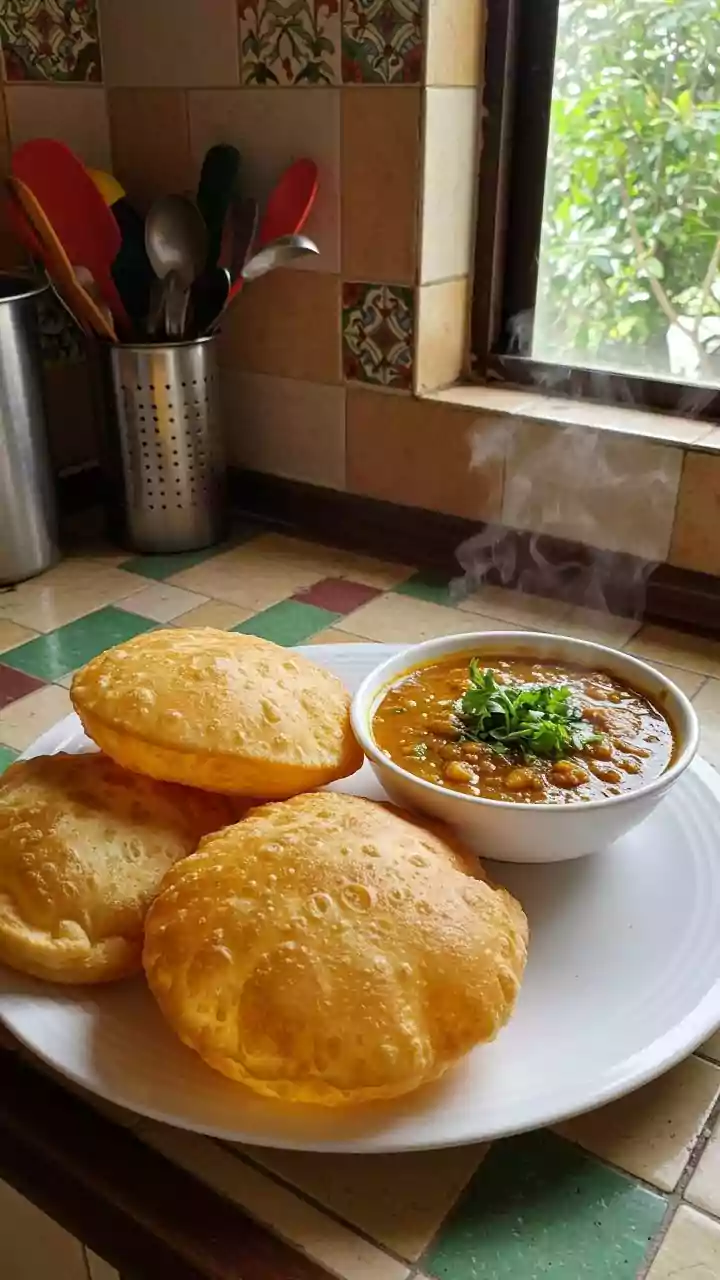
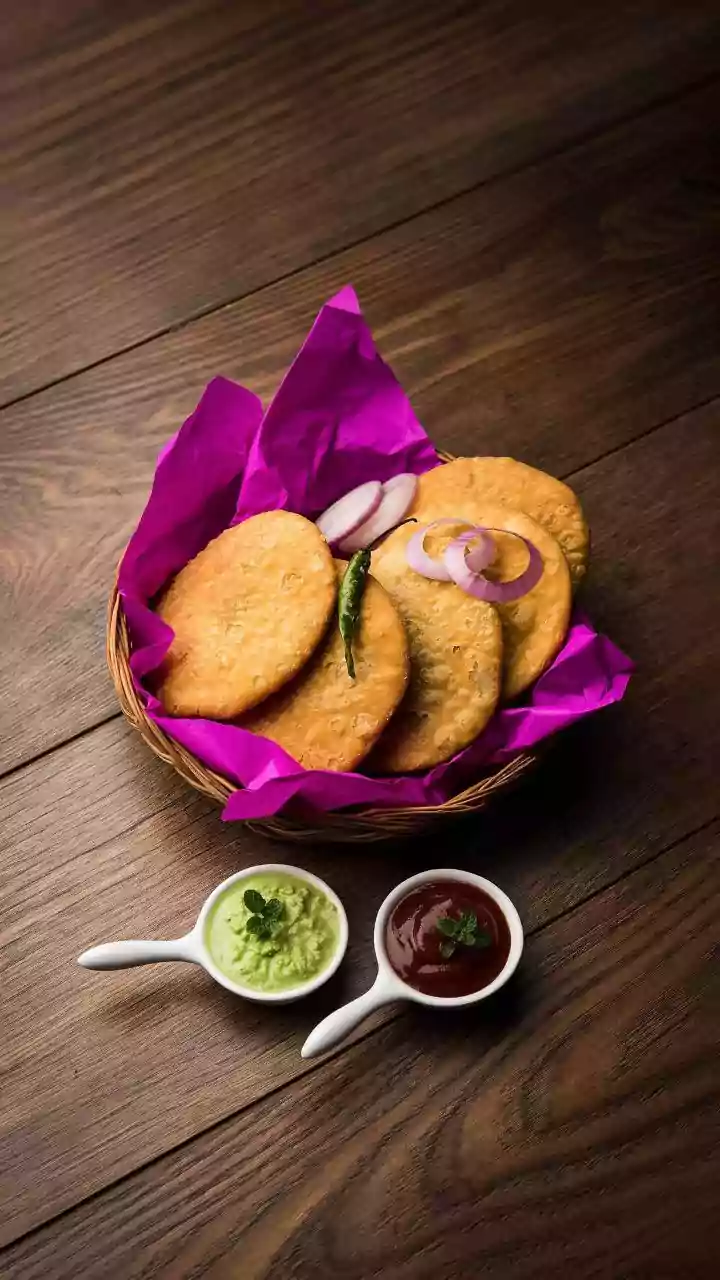
At the heart of monsoon cravings is a trio of fried delights: pakoras, samosas, and bhutta. Pakoras, those glorious fritters of vegetables dipped in spiced gram flour (besan) batter, are perhaps the most iconic. Whether it’s onion, potato, or paneer, the act of frying these morsels fills the home with an irresistible aroma. Paired with a cup of masala chai, the combination of hot, crispy, and spicy provides a direct, comforting counterpoint to the cool, damp weather. Similarly, the roasted corn-on-the-cob, or bhutta, seasoned with salt, chilli, and lime, is a street-side staple that captures the essence of the season. There is a scientific component to this: cooler weather makes our bodies seek calorie-dense, warm foods. These fried snacks deliver an instant hit of warmth and energy.
A Sweet Counterpoint to the Clouds
The monsoon palate isn't just about savoury snacks. It has a pronounced sweet tooth, best represented by jalebi and ghevar. Hot, crispy spirals of jalebi, soaked in sugar syrup, are often paired with savoury items, creating a delightful contrast. But the true star of the season is ghevar, a disc-shaped sweet with a unique honeycomb texture. Made from flour and ghee and soaked in syrup, ghevar is intrinsically linked to the monsoon festival of Teej, which is celebrated with great fervour in Delhi and surrounding states. Traditionally prepared during July and August, this sweet requires the natural moisture in the monsoon air to achieve its perfect texture. It is a gift shared between families, particularly sent to married daughters, cementing its place as a sweet emblem of seasonal love and connection.
More Than Just Hunger Pangs
These cravings run deeper than mere appetite. They are steeped in nostalgia and memory. For many, the smell of pakoras frying is a direct link to childhood, evoking memories of grandparents and lazy, rain-soaked school holidays. This act of preparing and sharing food fosters a powerful sense of community and togetherness, turning a simple snack into a cherished event. Ayurvedic tradition also offers a perspective, noting that the digestive fire ('Agni') can weaken during the damp monsoon. While it advises against heavy foods, the use of digestive spices like ginger, cumin, and black pepper in many of these snacks is believed to help counteract the sluggishness associated with the season. The warmth from these foods is seen as a way to balance the body's internal environment against the external dampness.