








What is the official forecast?
The India Meteorological Department (IMD) has placed both Sikkim and Assam on high alert due to an active monsoon trough. For Sunday, June 28, the IMD has forecast "heavy to very heavy rainfall" across Assam and Meghalaya, with some places in Sub-Himalayan
West Bengal and Sikkim expected to receive "extremely heavy rainfall." An orange alert is in effect, signalling residents and authorities to be prepared for significant disruptions. This intense spell is predicted to continue, with heavy rainfall warnings extending until at least June 30th for both states.
Why is this happening now?
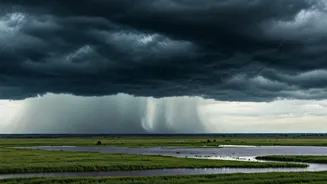
This severe weather event is driven by the southwest monsoon, which is currently vigorous over Northeast India. A combination of factors is at play: strong moisture-laden winds are blowing in from the Bay of Bengal and meeting the Himalayan foothills. This process, known as orographic lift, forces the moist air to rise rapidly, cool, and condense into rain-heavy clouds, leading to intense downpours concentrated in these regions. The current atmospheric setup includes a monsoon trough and several cyclonic circulations that are steering this moisture directly towards the Northeast, creating conditions ripe for extreme rainfall.
What are the potential impacts?
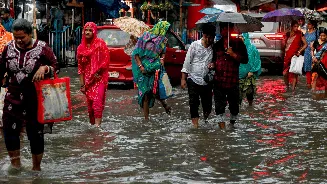
The primary concerns are landslides in the mountainous terrain of Sikkim and widespread flooding in the plains of Assam. Extremely heavy rain can saturate soil on slopes, leading to dangerous landslides that can block roads and isolate communities, a recurring issue in Sikkim. In Assam, which is drained by the mighty Brahmaputra river and its many tributaries, intense rainfall often leads to rivers overflowing their banks, inundating vast areas of farmland, villages, and even major cities. Already this season, recent rains have affected over 100 villages and thousands of hectares of crops in Assam. The IMD has issued specific impact warnings, advising against localised flooding, reduced visibility, and potential disruption of traffic.
How are authorities preparing?
Both state governments and central agencies have been in a state of readiness ahead of the monsoon. District Disaster Management Authorities (DDMA) in places like Namchi, Sikkim, held pre-monsoon preparedness meetings to review the availability of manpower, machinery, and emergency supplies. The National Disaster Response Force (NDRF) has also conducted extensive monsoon preparedness and mobilisation drills across the northeastern states, including Assam. These exercises are designed to ensure that rescue teams, including canine squads, can be deployed rapidly and that inter-agency coordination is seamless during a crisis. Teams are typically pre-positioned in vulnerable areas to minimise response times.
What safety measures should you take?
The IMD has issued clear advisories for the public. It is crucial to stay informed by monitoring official weather updates. Avoid unnecessary travel, especially to areas known for waterlogging or landslides. If you live in a vulnerable structure or a low-lying area, be prepared to move to a safer location or a designated relief camp. Inside your home, secure windows and doors, and unplug electrical appliances to prevent damage from power surges. Stay away from water bodies and do not take shelter under trees during a thunderstorm. For those in landslide-prone areas, it is critical to remain vigilant for any signs of ground movement or unusual sounds.