








From Peel to 'Chakhna'
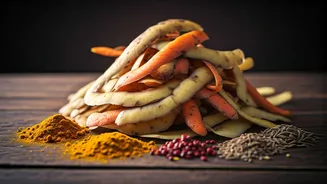
Think about all the potato, sweet potato, carrot, and lauki (bottle gourd) peels that end up in the bin. With a little effort, these can be transformed into a crispy, addictive snack. The key is to wash your vegetables thoroughly before you peel them.
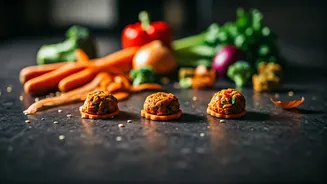
Once you have a good pile of peels, toss them with a teaspoon of oil (olive, coconut, or mustard oil all work well) and your favourite spices. A sprinkle of salt, red chilli powder, and a pinch of amchur (dry mango powder) is a classic combination. Spread them in a single layer on a baking tray and bake at 200°C for 10-15 minutes, or until golden and crisp. You can also air-fry them for an even healthier version. These peel chips are a perfect crunchy side for your evening chai.
Don't Discard Those Stems
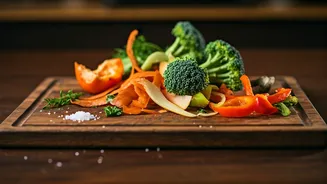
How many times have you chopped the florets off a head of broccoli or cauliflower and tossed the thick, woody stalk? Those stems are packed with flavour and nutrients. Simply peel away the tough outer layer with a vegetable peeler and slice the tender core. These slices are wonderfully versatile. You can julienne them for a crunchy slaw, chop them into small pieces and add them to a stir-fry or sabzi, or even blend them into a creamy soup. Coriander stems, which are often discarded, are a powerhouse of flavour. Instead of throwing them away, finely chop them and mix them into your dal tadka, use them to make a zesty green chutney, or infuse them in oil for a fragrant dressing.
The Magic of Infused Broth
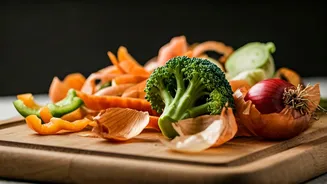
This hack requires almost no effort and pays huge dividends in flavour. Keep a large, resealable bag in your freezer and start collecting your clean vegetable offcuts. This includes onion and garlic skins (which add a beautiful colour and savoury depth), carrot tops and peels, celery ends, mushroom stems, and herb stalks. Avoid adding anything from the brassica family (like cabbage or broccoli scraps), as they can make the broth bitter. Once the bag is full, simply empty the contents into a large pot, cover with water, add a bay leaf and some peppercorns, and simmer for at least an hour. Strain the liquid, and you'll be left with a rich, flavourful, and completely free vegetable broth to use as a base for soups, curries, and biryanis.
Roast Your Seeds
The next time you cut a pumpkin or a squash, don't scoop out the seeds and throw them in the compost. These seeds are nutritional goldmines, rich in magnesium, zinc, and healthy fats. To prepare them, separate the seeds from the stringy pulp and rinse them well. Pat them completely dry with a kitchen towel—this is crucial for getting them crispy. Toss the dry seeds with a little bit of oil and salt, or get creative with spices like paprika, cumin, or even a dash of cinnamon for a different flavour profile. Roast them in a 180°C oven for 15-20 minutes, or until they are golden brown and start to pop. Let them cool completely before storing them in an airtight container. They make for a fantastic, healthy snack on their own or a crunchy topping for salads and soups.
Citrus Peel Power
Don't let your lemon, orange, or mosambi peels go to waste after you've squeezed out the juice. The zest is packed with aromatic oils that can be used in numerous ways. One of the most popular methods is to make candied citrus peel. This involves boiling the peels to remove bitterness, then simmering them in a sugar syrup until they become translucent and sweet. Another simple trick is to dry the peels completely (in the sun or a low oven) and then grind them into a powder. This citrus dust can be added to marinades, baked goods, tea, or even mixed with salt to create a finishing salt with a zesty kick. You can also simply throw a large piece of lemon or orange peel into a jar of sugar to infuse it with a beautiful citrus aroma for your baking needs.