
The Lure of the Lunar Shadows
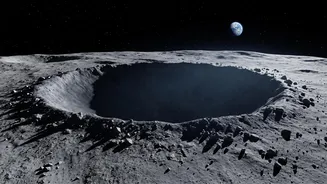
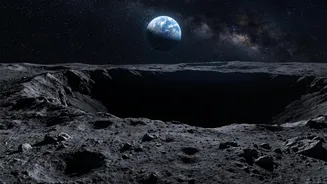
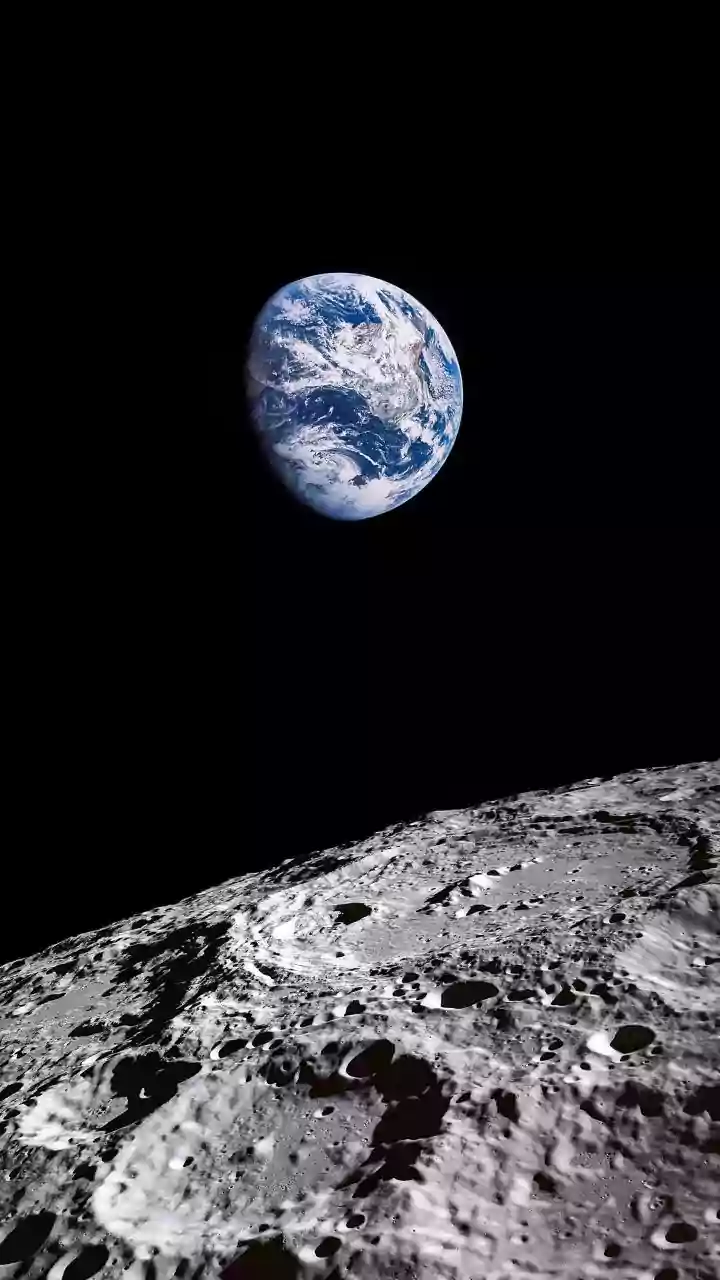
The Moon's south pole has become the premier destination for the next era of space exploration, including NASA's Artemis missions. The primary reason is the presence of water ice, a critical resource for future lunar bases. This ice is preserved in Permanently
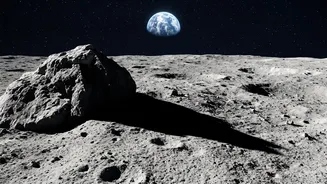
Shadowed Regions (PSRs)—deep craters and depressions that haven't seen direct sunlight in billions of years. Due to the Moon's minimal axial tilt, the sun hangs low on the polar horizon, casting long, permanent shadows. These PSRs are incredibly cold, acting as cosmic freezers that trap volatile compounds like water. While these extreme conditions were long thought to be universally hostile to life, new research challenges that assumption by looking at the unique microclimates these shadows create.
Unexpected Safe Havens for Earth's Microbes
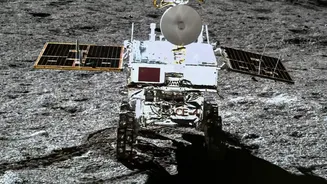
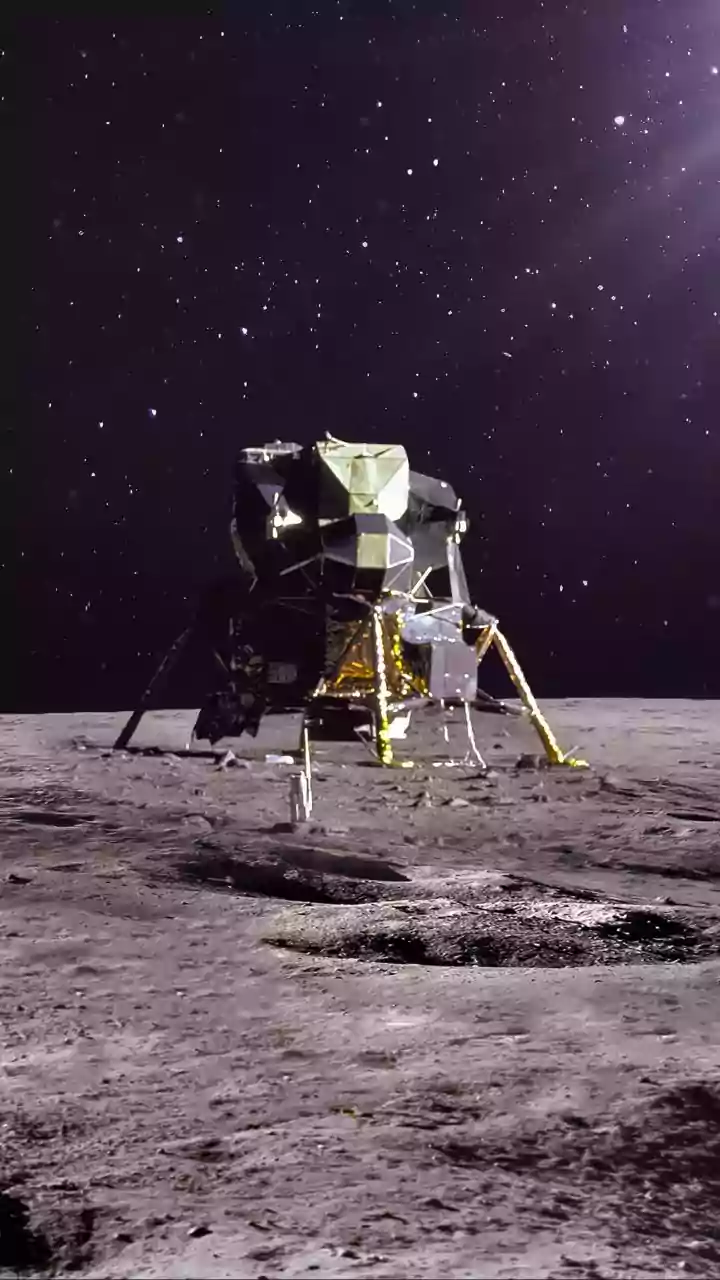
A recent study led by NASA's Goddard Space Flight Center has mapped out potential niches where microbes from Earth could temporarily survive. Published in Science Advances, the research used data from the Lunar Reconnaissance Orbiter to model conditions at several candidate landing sites for future missions. They found that while most of the lunar surface is sterilized by intense ultraviolet (UV) radiation and extreme temperatures, the unique topography of the south pole creates tiny refuges. These aren't just in the large, permanently dark craters; they can be as small as the shadow cast inside an astronaut's bootprint or a rover's tire track. In these shaded spots, shielded from direct solar radiation, some microbes could survive for at least a day, and in some cases, for weeks or even months.
Meet the Toughest Microbial Hitchhikers
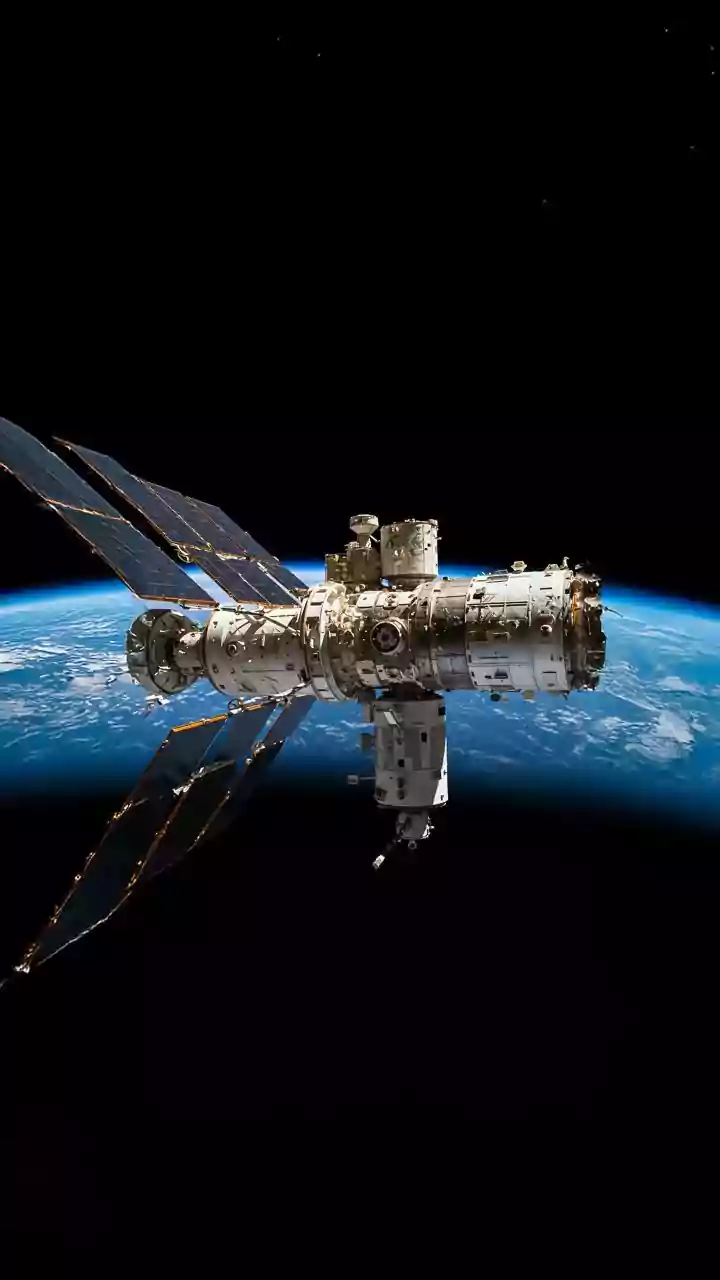
The NASA study simulated the resilience of five microorganisms commonly found in spacecraft and clean room environments. These included three types of bacteria and two fungi. The results showed that fungi were generally hardier than bacteria under the modeled lunar conditions. The standout survivor was Aspergillus niger, a common black mold often found in damp places on Earth, like bathrooms. This fungus has been found on the International Space Station and has even survived exposure on the station's exterior. Its surprising resistance to UV radiation allowed it to out-survive even Deinococcus radiodurans, a bacterium famous for its ability to withstand extreme radiation. It's important to note that the study found these microbes could survive in a dormant state, known as cryptobiosis, but were unlikely to grow or reproduce without key ingredients like liquid water.
A Planetary Protection Predicament
The survival of Earth-born microbes on the Moon presents a significant challenge for scientists. This field, known as planetary protection, aims to prevent the biological contamination of other worlds. The primary concern is that microbes we carry with us could interfere with the search for ancient lunar chemistry or even signs of native life. The permanently shadowed regions are of immense scientific interest precisely because they might contain pristine materials from the early solar system. If we contaminate these areas with our own bugs, it becomes incredibly difficult to determine if any organic compounds found are genuinely lunar or just our own biological baggage. This finding suggests that future missions, especially crewed ones, may need stricter sterilization protocols, as spacecraft heading to the Moon currently have no bioburden requirements.