




The Return to Tradition
While shelves are stacked high with sugary cereals and instant oats, a quiet revolution is happening in Indian kitchens. Or perhaps, it’s more of a rediscovery. The breakfast habit we’re talking about isn’t a new fad; it’s the timeless practice of starting
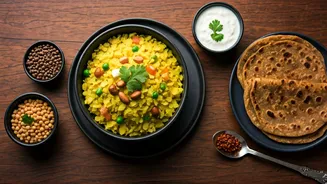
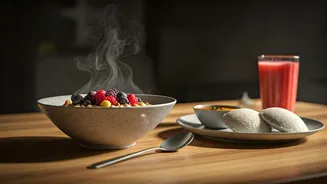
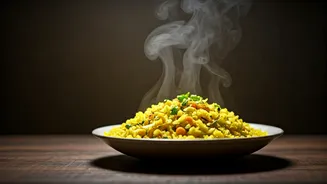
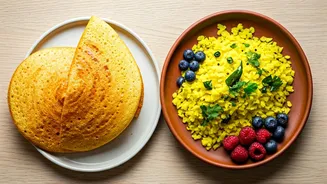
the day with a warm, savoury, home-cooked meal. Think of a plate of fluffy poha in Maharashtra, soft idlis in Tamil Nadu, or hearty parathas in Punjab. This isn't just about sticking to what we know. It's a conscious choice for a meal that provides sustained energy, tastes delicious, and connects us to our roots. In a world obsessed with quick fixes, this habit is an anchor—a nourishing start that sets a calm, stable tone for the rest of the day.
A Nutritional Powerhouse
So, what makes a traditional Indian breakfast so beneficial? It's all about balance. Unlike processed breakfast options that cause a rapid spike and crash in blood sugar, our local staples are built for endurance. Poha, made from flattened rice, is a great source of complex carbohydrates, iron, and fibre, and is light on the stomach. Idli, being fermented and steamed, is packed with protein and easily digestible. Upma, made from semolina and loaded with vegetables, offers a mix of carbs, vitamins, and minerals. The magic also lies in the preparation. The 'tadka' or tempering of spices like mustard seeds, curry leaves, and turmeric doesn't just add flavour; it adds anti-inflammatory and digestive benefits. It’s a complete meal that keeps you full and focused until lunch, without the mid-morning slump.
More Than Food, It's Culture
This breakfast habit is woven into the fabric of our cultural identity. The smells and tastes of these dishes are often linked to our fondest childhood memories—of mothers and grandmothers waking up early to prepare a fresh meal. Each dish tells a story of its region, its climate, and its local produce. It’s a culinary heirloom passed down through generations. When you choose to make and eat a traditional breakfast, you are not just feeding your body; you are participating in a living culture. It's a comforting ritual that grounds you, reminding you of home, no matter where you are. This emotional connection is a powerful reason why this habit remains so beloved across the country.
Designed for a Modern Life
There’s a common misconception that traditional cooking is time-consuming and complicated. But many of our go-to breakfast dishes are surprisingly quick and practical for today’s hectic schedules. Poha can be ready in 15 minutes. Upma takes about the same time. With a bit of prep the night before (like making idli batter), a wholesome breakfast is just a few minutes of steaming away. These meals are often a one-pot wonder, minimising cleanup. They are also incredibly versatile—you can add whatever vegetables you have on hand, making them a great way to use up leftovers and reduce food waste. They prove that you don’t have to sacrifice health or flavour for convenience.
The Mindful Morning Start
Ultimately, the enduring appeal of this habit lies in how it makes you feel. Starting your day with a warm, savoury meal is an act of self-care. It’s a moment of calm before the chaos begins. The act of sitting down to a proper plate, even for just ten minutes, encourages mindful eating. You’re more likely to chew properly, savour the flavours, and listen to your body’s hunger cues. This contrasts sharply with grabbing a sugary granola bar or a pastry while running out the door, a habit that often leads to mindless consumption and dissatisfaction. A traditional breakfast nourishes the mind as much as the body, fostering a sense of well-being that lasts long after the plate is clean.