






A startling wave of disruptions hit major US services, grounding flights, halting bank transactions, and downing tech platforms. In response, the White House has issued a clear message: these were a series of unfortunate, but separate, technical glitches.
A Cascade of Failures
Within the span of a single week in mid-November, several critical systems experienced significant outages, sparking public concern. The wave of failures began with a global disruption of Microsoft services, including Outlook and Teams, which hampered businesses and organizations for over 24 hours. This was followed by a dramatic nationwide ground stop ordered by the Federal Aviation Administration (FAA) that lasted for hours, leading to thousands of flight cancellations and delays. The disruptions continued as major banks like JPMorgan Chase experienced technical problems that created a ripple effect, impacting customer transactions and money transfers through services like Zelle. Adding to the anxiety, the National Security Agency (NSA) reported a temporary issue with its own classified internal communications network, and companies like Apple and United Airlines also faced separate service outages.
The Official Position: A 'Great Coincidence'
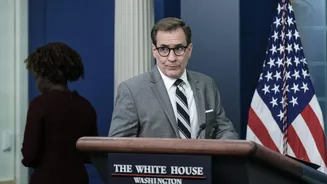
Facing a nervous public and mounting questions, the White House and federal agency leaders have been adamant in their assessment. Director of National Intelligence Jay Clayton stated that after thorough diligence, the incidents are viewed as 'separate service outages associated with maintenance and technical changes,' not a coordinated or state-sponsored attack. This message was echoed by Homeland Security Secretary Markwayne Mullin and the FBI, who confirmed that their cyber experts found no evidence of malicious activity. National Security Adviser Marco Rubio was even more direct, telling reporters there is 'zero evidence' linking the events to nefarious actors or a foreign power. The official line is that this string of bad luck was just that—a coincidence driven by the complexities of upgrading and maintaining vast, aging digital systems.
Unpacking 'Technical Incidents'
The term 'technical incident' can cover a wide range of issues. In these cases, the causes cited were varied and mundane. Microsoft's global outage was attributed to a network upgrade. The unprecedented FAA ground stop was linked to aging communication equipment and a problematic router installation during maintenance. JPMorgan Chase pointed to a 'software bug in on-premise hardware systems' for its transaction delays. The NSA's brief outage also reportedly occurred during scheduled maintenance. Officials suggest that as companies and agencies rush to patch vulnerabilities and modernize decades-old infrastructure, these kinds of growing pains are to be expected. Director of National Intelligence Jay Clayton warned that glitches and interruptions will likely continue as these necessary, large-scale upgrades proceed.
Skepticism and Calls for Transparency
Despite the unified front from the administration, the sheer number of simultaneous failures has fueled skepticism among some lawmakers and the public. The timing, coming just before the busy Thanksgiving travel week, amplified concerns. Critics have pointed to what they see as mixed messaging and have called for greater transparency from both the White House and the affected companies. While some officials have dismissed the idea of a coordinated cyberattack, others have publicly mused about the potential role of artificial intelligence in overwhelming systems not designed to handle its speed, even if not used maliciously. This has led to a broader conversation about the fragility of the nation's digital backbone and whether the official explanations tell the whole story.