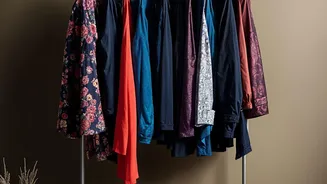







As warmer days arrive, the ritual of packing away winter wear begins. But pulling them out months later to a musty smell or mildew damage is a frustrating surprise. The secret to fresh, ready-to-wear winter clothes lies in one crucial step.
The Unseen Enemy: Trapped Moisture
The single
biggest mistake in storing clothes is packing them when they are even slightly damp. Thick garments like woollen sweaters, fleece jackets, and down coats are especially tricky, as they can feel dry to the touch while still retaining moisture deep within their fibres. This trapped dampness becomes a breeding ground for mould and mildew, which can cause unpleasant odours, fabric discolouration, and even break down the material itself. Over time, these fungal growths can spread to other items in storage, compromising your entire winter wardrobe. Furthermore, dampness combined with warmth can attract pests that feed on natural fibres like wool.
Mastering the Art of Drying
To ensure your garments are bone-dry, a thorough drying process is non-negotiable. For machine-washable items, a tumble dryer can be effective, but for heavy fabrics, consider running an extra cycle or adding wool dryer balls to improve air circulation and speed up drying. For delicate materials like wool and cashmere, always air-dry. Lay sweaters flat on a drying rack or clean towel, away from direct sunlight which can cause colours to fade. Never hang heavy knits, as this can cause them to stretch and lose their shape. A good rule of thumb is to let thick items air out for at least 24 hours after they feel dry to the touch, just to be certain all hidden moisture has evaporated.
Cleanliness is Key
Before any garment goes into storage, it must be clean. Even if an item doesn't look dirty, invisible body oils, perfumes, and small food particles can set into stains over time and become a magnet for insects. Be sure to wash or dry-clean everything according to its care label. This pre-storage cleaning removes the elements that attract pests and lead to discolouration, giving your clothes the best chance of surviving the off-season unscathed.
Choosing the Right Storage Solutions
The right container makes a significant difference. While convenient, airtight plastic bins can trap residual moisture and prevent natural fibres from breathing, potentially leading to musty smells. Breathable storage options like canvas bags or fabric_lined boxes are often a better choice, as they allow for air circulation. Vacuum_sealed bags are excellent space_savers for bulky synthetic items like puffer jackets, but they can crush the natural fibres of wool or down, so use them selectively. For structured coats, consider breathable garment bags to help them maintain their shape.
Strategic Location and Pest Prevention
Where you store your clothes is as important as what you store them in. Choose a cool, dark, and dry area. Avoid places with extreme temperature and humidity fluctuations, such as basements or attics, as this can damage fabrics. A closet in the main part of your home is often ideal. To keep moths and other insects at bay, skip the toxic traditional mothballs. Instead, opt for natural repellents like cedar blocks, or sachets filled with dried lavender, cloves, or rosemary. These not only protect your clothes but also leave them with a pleasant, subtle fragrance. In particularly humid climates, like during an Indian monsoon, consider adding silica gel packets to your storage containers to absorb any excess ambient moisture.