

Why the Monsoon is a Food Foe
The rainy season dramatically increases the moisture in the air, with average humidity levels soaring. This damp environment is the perfect breeding ground for bacteria, mould, and fungi, causing food to spoil much faster than in drier seasons. Cooked
foods, with their inherent moisture content, are particularly vulnerable. Leaving them on the counter for even a few hours can become risky, as harmful bacteria can multiply rapidly in the warm and humid conditions typical of an Indian kitchen during this time. Proper storage is therefore not just about preserving flavour, but about ensuring food safety.
The First Rule: Cool It Down Fast
The most critical step in preserving any cooked food is cooling it down quickly. Never leave a pot of hot dal or a pan of curry to cool on the kitchen counter for hours. This extended time in the 'danger zone' temperature range (between 4°C and 60°C) is when bacteria thrive. Instead, aim to refrigerate your cooked food within two hours. If you've cooked a large batch, you can speed up the cooling process by placing the pot in a sink filled with ice water or by dividing the food into smaller, shallower containers which allow heat to dissipate more quickly.
Storing Cooked Rice
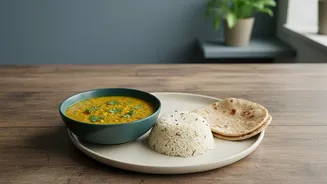
Cooked rice is notoriously susceptible to spoilage. To store it safely, spread the rice on a plate or tray to cool it down fast once the initial steam has subsided. Do not wait for it to reach room temperature on the counter for a long period. Once it is no longer piping hot, transfer it to a clean, airtight container and place it in the refrigerator. During the monsoon, it's best to avoid leaving cooked rice at room temperature for more than a couple of hours. Refrigerated rice can become hard, but this is easily fixed during reheating.
Keeping Dal and Sambar Safe
Dal, sambar, and other lentil preparations are staples, but they can ferment and spoil quickly in humid weather. As with other cooked foods, the key is prompt refrigeration in airtight containers. If your dal has a 'tadka' or tempering with ingredients like onions and tomatoes, it's even more crucial to store it properly. Ensure your containers are made of glass or food-grade plastic to prevent odours from being absorbed. When storing, leave a little space at the top, as liquids can expand slightly when cooled. Never use a wet spoon to serve dal, as introducing even a small amount of water can accelerate spoilage.
Your Curry Storage Guide
Whether it's a vegetable korma or a chicken curry, the same principles apply: cool it down and get it in the fridge. Use high-quality airtight containers to lock in freshness and prevent the curry's aromas from mingling with other foods in your fridge. Coconut-based and dairy-based curries can sometimes separate when cooled and reheated. This doesn't mean they've gone bad. It's often just the fats separating from the liquid. Storing them in a sealed container and reheating them gently will usually bring the emulsion back together.
The Art of Reheating
Proper reheating is as important as proper storage. The goal is to heat the food until it is piping hot throughout. For curries and dals, the stovetop is often best. Warm them gently over a medium heat, stirring occasionally. If the gravy has thickened in the fridge, add a splash of water or stock to restore its consistency. For rice, you can microwave it with a few sprinkles of water and cover it with a damp paper towel or a microwave-safe lid. This creates steam, which helps to rehydrate the grains and make them soft and fluffy again.
When in Doubt, Throw It Out
Your senses are your best guide. If leftover rice, dal, or curry smells sour, has a slimy texture, or shows any sign of mould, do not taste it to check. Discard it immediately. During the monsoon, it's always better to be cautious. Cooking food in smaller batches can help minimise leftovers and reduce the risk of spoilage and wastage. Trust your judgment; if something seems off about the look or smell of the food, it's not worth the risk to your health.