







The Old Paper Chase
The traditional method for obtaining a student railway concession is a familiar story of bureaucratic hurdles. It typically began with acquiring a physical application form from the college office. Students would then fill it out, get it verified and
signed by a designated authority—often from the registrar’s office—and then wait in another line at a railway ticket counter to finally get the discounted ticket. This manual process was not just time-consuming for students but also created a significant administrative burden for college staff, who had to handle thousands of forms, manually verify student details, and maintain physical records. The system was prone to errors, paperwork pile-ups, and potential misuse, representing a process ripe for change in an increasingly digital India.
The Digital India Game-Changer
The current push for digitisation is not happening in a vacuum. It is a direct result of the government's broader 'Digital India' mission and, more specifically, the 'One Nation, One Student ID' initiative. This policy led to the creation of the Automated Permanent Academic Account Registry (APAAR), a unique 12-digit ID for every student from pre-primary to higher education. Linked to the Academic Bank of Credits (ABC), APAAR functions as a lifelong, verified digital identity, storing a student's academic achievements in one place. As of mid-2026, India has already generated over 26 crore verified APAAR IDs, creating a massive, trusted digital foundation that was previously missing. This infrastructure is the primary catalyst enabling government services, including railway concessions, to go digital.
The Registrar's Crucial Role in the New System
Institutional registrars are the gatekeepers of authentic student information. In the old system, their stamp and signature were the physical proof of a student's eligibility. In the new digital framework, their role becomes even more critical. They are responsible for the crucial task of onboarding and verifying student data onto centralised platforms like the ABC and NAD-DigiLocker system. By integrating their secure databases with railway concession systems, registrars provide the digital equivalent of that authoritative stamp. Their participation ensures that the system has access to accurate, up-to-date enrollment information, confirming that only currently registered and eligible students can avail the benefits. This digital verification is the linchpin that makes a seamless and fraud-proof online concession system possible.
Why the Sudden Urgency?
The prioritisation we are seeing 'now' is driven by the maturity and widespread adoption of the APAAR and ABC platforms. With a critical mass of students possessing a verified digital identity, institutions are being strongly encouraged to leverage this new infrastructure. The Ministry of Education has developed standardised gateways and APIs to help universities integrate their systems. This makes it easier than ever for a university's internal records to securely 'talk' to external services like Indian Railways. The shift is also a logical next step after the post-pandemic push for contactless services and efficiency. For registrars, moving to a digital workflow for concessions is no longer a complex, standalone project but a natural extension of their mandatory participation in the national academic ecosystem.
Benefits for Everyone Involved
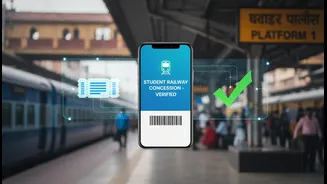
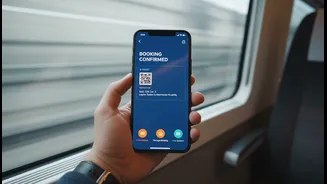
This transition from paper to platform offers clear advantages for all parties. For students, the most significant benefit is convenience—the ability to apply for and potentially receive a concession without visiting the college or a ticket counter. For universities and their administrative staff, it means a drastic reduction in paperwork, freeing up valuable time and resources previously spent on manual verification and record-keeping. For Indian Railways, a digitally verified system promises to streamline operations, reduce fraud by eliminating fake or misused paper forms, and ensure that the benefits reach the intended recipients efficiently. This creates a more transparent, accurate, and user-friendly process from start to finish.