


A Global Nod to Our Daily Bread
The latest rankings from TasteAtlas, a globally recognized food encyclopedia, have brought a reason for quiet celebration to Indian households. In its 2025/2026 awards, Indian cuisine secured the 13th spot worldwide with a strong rating of 4.43 out of 5,
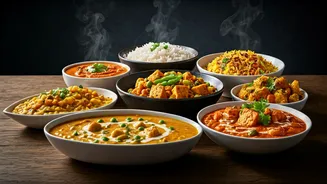
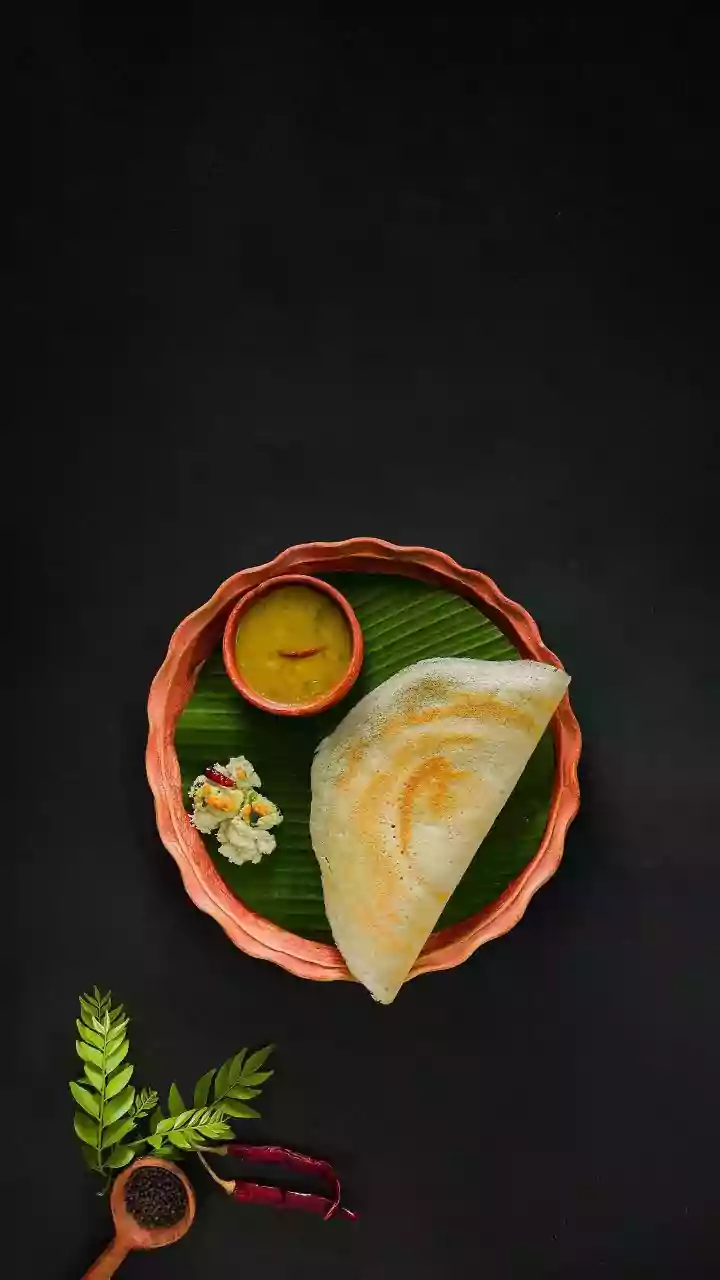
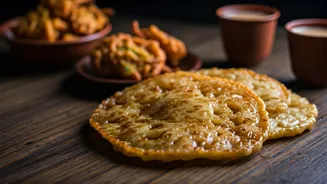
based on hundreds of thousands of user ratings. More importantly, the dishes that received the highest praise weren't complicated, restaurant-exclusive creations. Instead, the world celebrated staples like Butter Garlic Naan, Amritsari Kulcha, and Parotta. In fact, a recent list of the world's best pancakes was dominated by Indian favourites, including Masala Dosa (ranked 6th), Appam, and even Malpua. This recognition goes beyond five-star hotels and Michelin chefs, shining a spotlight directly on the food that defines daily life for millions of Indians.
Why This Is More Than Just a List
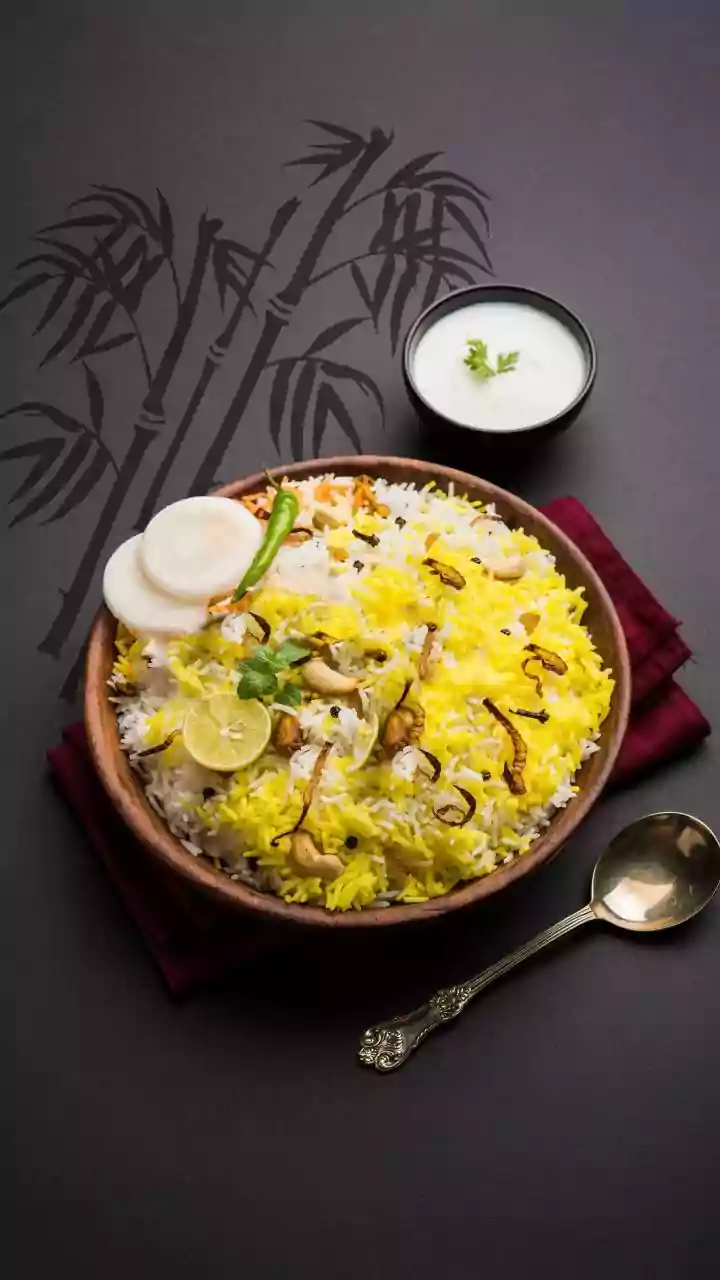
For years, the international perception of Indian food has often been a simplified caricature revolving around 'curry' or 'spice'. These rankings signal a significant shift. The global palate is finally waking up to the complexity, diversity, and nuance that Indian home cooks have mastered for centuries. The high ratings for dishes like Hyderabadi Biryani, Murgh Makhani, and even the foundational Garam Masala show an appreciation for layered flavours and specific regional techniques. This isn't just about a single dish winning an award; it's the validation of an entire culinary philosophy. It acknowledges that the genius of Indian food lies in its regional variety, from the robust tandoori flavours of the North to the delicate, layered breads and coconut-based curries of the South.
The Unsung Hero: The Indian Home Cook
This victory belongs to every home cook who intuitively balances spices, kneads dough to perfection, and keeps family recipes alive. It's a tribute to the mothers, fathers, and grandparents who cook not for reviews, but for nourishment and love. These are the chefs who don't use measuring spoons but rely on 'andaaz' (estimation), who understand the art of tempering (tadka), and who can create magnificent meals from a handful of ingredients. The world is finally acknowledging what we have always known: the Indian kitchen is a laboratory of flavour, and the home cook is its chief scientist. The dishes that won accolades are the very ones debated in Indian families daily—where to find the best version, whose mother makes it better, and the perfect accompaniments.
From Our Kitchens to the World Stage
The success of these familiar foods on a global platform like TasteAtlas, which relies on audience ratings, proves their universal appeal. When dishes like Masala Dosa and Amritsari Kulcha rank among the world's best, it reflects a genuine connection with global food lovers, not just critics. This moment also highlights a growing trend: the world is increasingly curious about authentic, traditional foods. The kind of food that tells a story of a place and its people. Cities like Mumbai, which ranked 5th globally among best food cities, and regions like Southern India and West Bengal are being recognized for their unique culinary landscapes. This win is a powerful reminder that the heart of Indian cuisine beats strongest not under the bright lights of a commercial kitchen, but over the familiar flame of a home stove.